


Costa del Sol Targets Wellness Travellers Seeking Longer Stays and Off-Season Holidays
A study of travellers from the United Kingdom, France, Germany and the Netherlands highlights the potential of wellness tourism on the Costa del Sol. These visitors want to relax, take longer holidays and combine wellbeing experiences with beaches, nature, culture and healthy food.
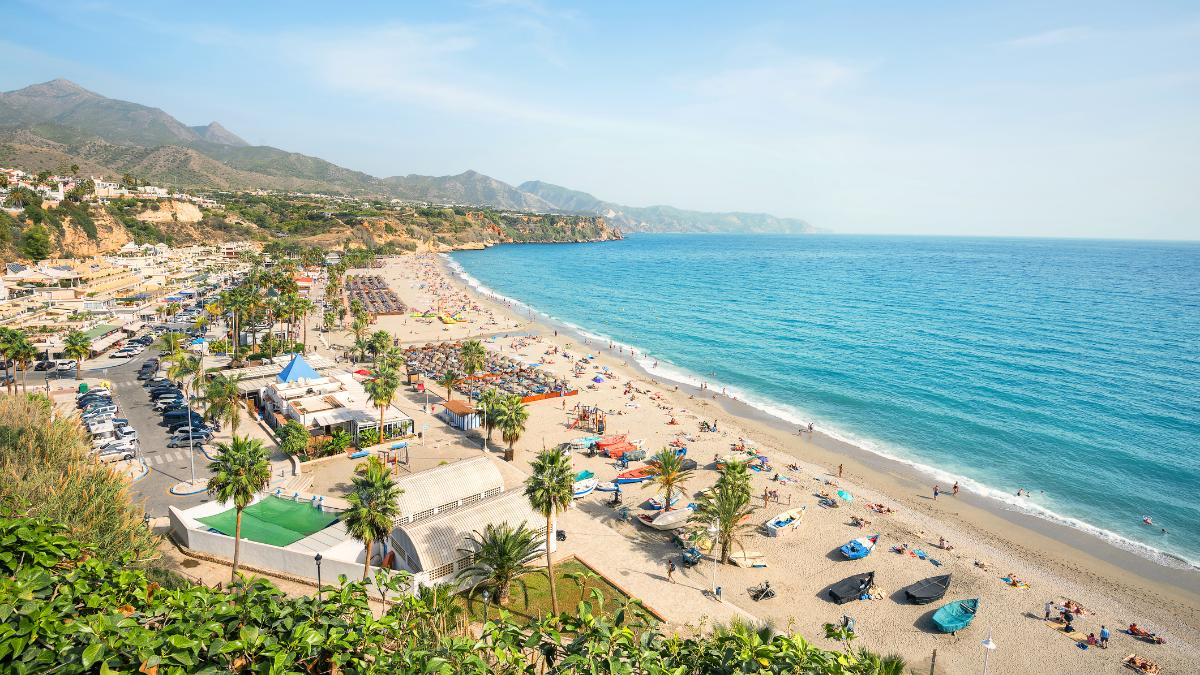

Costa del Sol Looks Beyond Traditional Beach Tourism
Health and wellness tourism could help the Costa del Sol diversify its visitor economy and attract international travellers throughout the year.
Turismo Costa del Sol has examined the preferences of wellness-focused travellers in four important European markets: the United Kingdom, France, Germany and the Netherlands.
The research, based on information from the Travellyze tourism intelligence platform, identifies a multigenerational and predominantly female audience with a strong preference for longer international holidays.
Rather than simply looking for spa treatments, these travellers want a broader experience combining relaxation with nature, cultural attractions, Mediterranean food and outdoor activities.
Relaxation Is the Main Reason for Travelling
Between 90% and 95% of the travellers surveyed identified relaxation and switching off from everyday life as important motivations.
Wellness holidays are therefore no longer limited to massages or occasional spa visits. They are increasingly viewed as an opportunity to recover energy, improve physical and mental wellbeing and temporarily escape stressful routines.
The Costa del Sol is well placed to respond to these expectations through its mild climate, coastline, natural spaces, specialist hotels, private clinics and outdoor activities.
A Predominantly Female but Multigenerational Market
Women account for an average of 56.8% of wellness travellers across the four European markets.
People aged over 60 form the largest individual group, representing between 25% and 28%. However, travellers aged between 18 and 29 also have a significant presence, accounting for between 20% and 22%.
This suggests that wellness tourism is not restricted to one age group. It includes older visitors interested in prevention and quality of life, alongside younger travellers searching for retreats, fitness activities, healthy food and digital detox experiences.
Longer International Holidays
Between 59% and 73% of the wellness travellers studied intend to take at least one long international holiday.
Germany records the highest percentage at 72.6%, followed by the United Kingdom at 71.6%, the Netherlands at 70.4% and France at 59.3%.
| Market | Travellers planning a long international holiday |
|---|---|
| Germany | 72.6% |
| United Kingdom | 71.6% |
| Netherlands | 70.4% |
| France | 59.3% |
This preference creates opportunities for accommodation providers, restaurants, wellness centres, clinics and activity companies to develop packages extending beyond a short spa break.
Spring and Autumn Attract Wellness Visitors
Although summer remains important, wellness travel is more evenly distributed throughout the year.
Among Dutch travellers, spring accounts for 34.6% of preferences and autumn for 34.1%. The corresponding percentages among British travellers are 36.9% and 32.8%.
September is also the preferred month for many German and Dutch wellness travellers. These patterns could help the Costa del Sol attract visitors outside the busiest summer period.
Beaches, Culture, Nature and Healthy Food
Wellness visitors do not necessarily want to remain inside their hotel or retreat throughout their holiday.
Between 38% and 60% are also interested in sun-and-beach experiences. Nature, culture, urban attractions and healthy gastronomy are other important factors, depending on the traveller’s country of origin.
German and Dutch visitors show particular interest in combining wellness with cultural and city-based experiences. This creates opportunities to connect hotels and specialist centres with museums, historic sites, hiking routes and local food experiences.
Preferred Accommodation
Three and four-star hotels are the most popular accommodation choices in all four markets.
German travellers also show a notable preference for holiday homes and bed-and-breakfast accommodation. Dutch visitors are more open to premium options: 21.3% consider hotels with five stars or more, while 16.1% are interested in luxury villas or suites.
The results point to a diverse market encompassing both accessible wellbeing breaks and exclusive personalised programmes.
Recommendations and Google Shape Travel Decisions
Personal recommendations remain particularly influential. Between 57% and 66% of these travellers rely on advice from friends and relatives when considering a destination.
Google is used by between 45% and 63%, while online reviews and comparison websites are especially important for British and Dutch travellers.
For Costa del Sol tourism businesses, this makes online reputation, multilingual information and simple digital booking systems essential.
A Year-Round Opportunity for the Costa del Sol
Wellness tourism could complement the Costa del Sol’s traditional holiday market by encouraging longer stays during spring, autumn and other quieter periods.
The destination’s climate, international air connections, hotels and specialist health services provide a strong foundation. The next step will be to connect these resources through complete experiences combining relaxation, healthcare, physical activity, gastronomy, culture and nature.

Latest news


Similar News
Why the Costa del Sol remains one of the favourite places to spend the summer
Costa del Sol
