Why the Costa del Sol remains one of the favourite places to spend the summer
From Nerja to Estepona, more than 160 kilometres of coastline combine beaches, white villages, gastronomy, nightlife and some of the best-known holiday destinations on the Mediterranean.
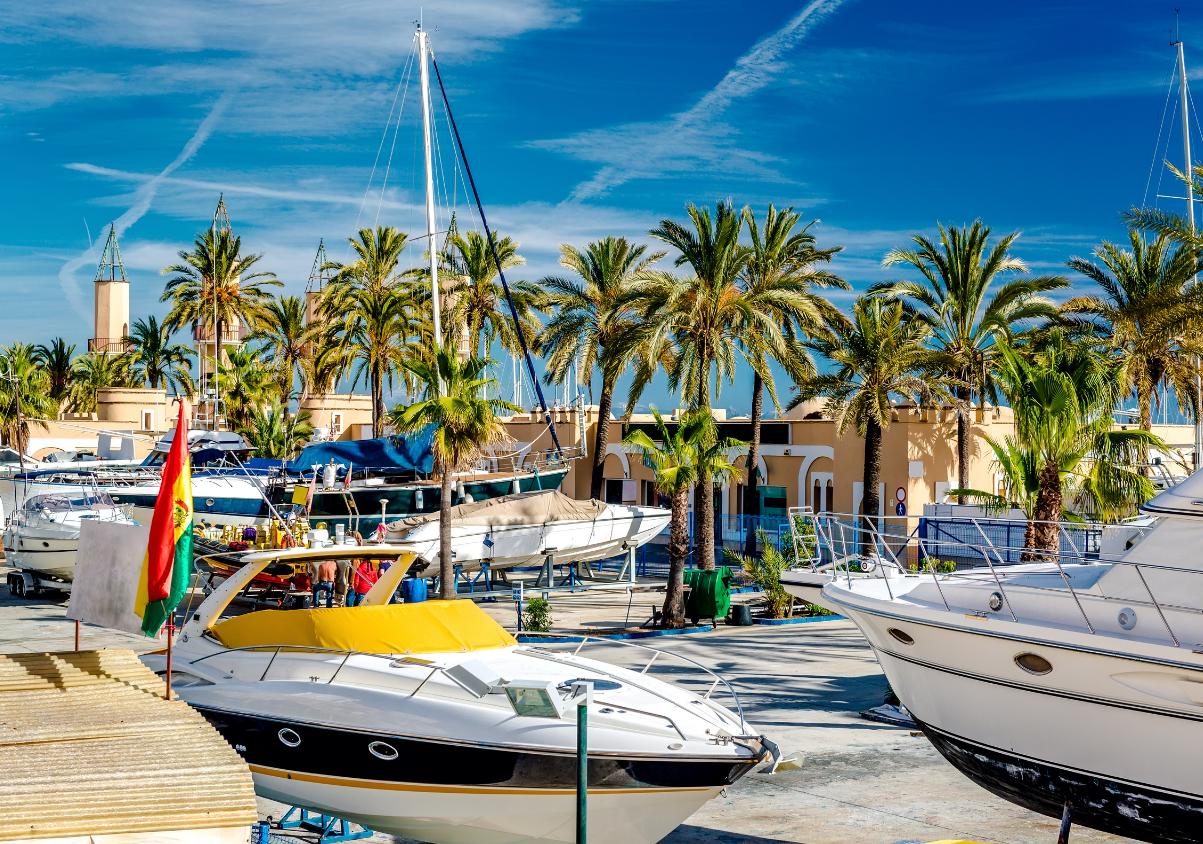

Some destinations are visited once. Others become places people return to almost every summer. The Costa del Sol clearly belongs to the second group.
When July and August arrive, towns such as Nerja, Torremolinos, Benalmádena, Fuengirola, Mijas, Marbella and Estepona once again fill their beaches, promenades, terraces and chiringuitos with both Spanish and international visitors.
But reducing its appeal to sunshine and the Mediterranean would be an oversimplification. One of the main strengths of the Málaga coastline is precisely that it allows visitors to enjoy completely different types of holiday without leaving the province.
There are fully serviced urban beaches, small coves surrounded by nature, white villages only a short distance from the sea, major marinas, internationally recognised restaurants and a calendar of concerts and festivals that barely slows down throughout the summer.
More than 160 kilometres of coastline and beaches for every type of traveller
Málaga province has around 160 kilometres of coastline, making it difficult to speak of a single Costa del Sol experience.
In the east, Nerja and Maro offer a landscape shaped by cliffs, small coves and waters that are particularly popular for kayaking, paddleboarding and snorkelling.
Closer to Málaga city are beaches with a strong local identity, such as Pedregalejo and El Palo, where chiringuitos and espetos are inseparable from a day by the sea.
Further west, Torremolinos, Benalmádena, Fuengirola and Mijas Costa offer long urban beaches alongside promenades, hotels, restaurants and a wide range of services.
Destinations such as Marbella and Estepona add another dimension, with premium hotels, beach clubs, marinas and a sophisticated food scene.
The key advantage is choice.
Summer on the Costa del Sol is also about food
For many visitors, a Costa del Sol holiday only truly begins when the first sardine espeto arrives at the table.
Beach restaurants are part of the landscape along the Málaga coastline, and gastronomy remains one of the best reasons to explore different towns.
Fried fish, anchovies, espetos, shellfish, octopus, prawns and Mediterranean seafood sit alongside a food scene that has become increasingly diverse in recent years.
Málaga province is also home to fine-dining restaurants, food markets, international concepts and chefs who reinterpret traditional local ingredients.
That means a holiday can move easily from lunch almost directly on the sand to a sophisticated restaurant booking in the evening.
From a sunbed to a concert without changing destination
Another reason the Costa del Sol works for so many different types of visitor is its entertainment offering.
Throughout July, August and September, the coast hosts concerts, festivals, fairs, night markets and cultural events in many of its municipalities.
Marbella has Starlite Occident, while Fuengirola hosts major international concerts at Marenostrum. Málaga city maintains a packed cultural calendar, and smaller towns celebrate traditional fairs and local festivals throughout the summer.
A week originally planned around the beach can therefore quickly include live music, cultural visits, sport or a day trip inland.
White villages just a few kilometres from the Mediterranean
The appeal of a Málaga holiday does not end where the beach does.
From many coastal towns, it is possible to reach some of the province’s famous white villages in a relatively short time.
Frigiliana can be combined with a morning in Nerja. From Marbella or Estepona, visitors can head inland to Benahavís, Istán or Casares. Mijas Pueblo is only a short drive from Fuengirola and Mijas Costa.
Further inland are destinations such as Ronda, the villages of the Axarquía and the Sierra de las Nieves.
This proximity makes it easy to combine beach and mountains during the same holiday.
Marbella is not Torremolinos — and that is part of the secret
One of the Costa del Sol’s biggest strengths is that its destinations are not all trying to offer the same experience.
Torremolinos retains its identity as a classic holiday resort combining beach, entertainment and decades of tourism tradition.
Benalmádena adds Puerto Marina and a strong family-friendly offer.
Fuengirola stands out for its long, easy-to-explore urban coastline and concentration of services.
Mijas combines seaside living with the atmosphere of a traditional white village.
Marbella has firmly established itself internationally in luxury tourism, gastronomy and yachting.
Estepona has transformed its town centre in recent years and made walking through the town itself one of its main attractions.
Nerja, meanwhile, offers one of the most distinctive natural landscapes on the Málaga coastline.
This means visitors can experience very different places without ever leaving the Costa del Sol.
Holidays that become tradition
There is also something tourism statistics do not always fully capture: the habit of returning.
Some families have spent decades holidaying in the same town. Others own second homes and come back every summer, while many international visitors spend several weeks or even months in Málaga each year.
For them, a holiday is no longer about discovering somewhere new.
It is about returning to the same chiringuito, walking the same promenade at sunset, revisiting a familiar beach or repeating small rituals that gradually become part of what summer means.
That loyalty helps explain why some of Spain’s earliest mass-tourism destinations remain capable of attracting visitors several decades later.
Much more than sun and sand
Málaga’s tourism strategy has also spent years expanding beyond the traditional image of a beach destination.
Golf, nature, hiking, gastronomy, culture, nautical tourism, shopping, inland villages and major events now sit alongside the classic sun-and-sea experience.
The province is also developing the Senda Litoral, a project designed to progressively connect around 180 kilometres of coastline through promenades, footbridges and coastal paths.
The result is that two people can spend a week on the Costa del Sol and return home having experienced completely different holidays.
One may barely leave the beach. Another may combine museums in Málaga, a boat trip, white villages, dinner in Marbella, hiking and a morning among the cliffs of Maro.
Both, however, will have chosen the same destination.
And that may be one of the main reasons why, after decades of welcoming visitors, the Costa del Sol remains one of those places where summer can be repeated year after year without ever feeling exactly the same.
Official information on beaches, towns, nature, gastronomy and tourism experiences across the province can be found through Costa del Sol Tourism, the tourism body of Málaga Provincial Council.

Latest news


Upcoming events
17
Sep
La Pequeña Cuba Gastro-Cultural Festival in San Pedro Alcántara 2026
18
Sep
World Wellness Weekend Marbella 2026
18
Sep
Candlelight: Queen vs. ABBA in Málaga
18
Sep
Candlelight: Coldplay and Imagine Dragons in Málaga
18
Sep
3 de Corazones – Pancho Céspedes, Enrique Ramil and José Luis Jaén in Málaga