


Back pain in children: everyday habits families should watch
Sitting for long periods, looking down at a phone and carrying an excessively heavy school bag can contribute to neck, shoulder and back discomfort in children and teenagers.
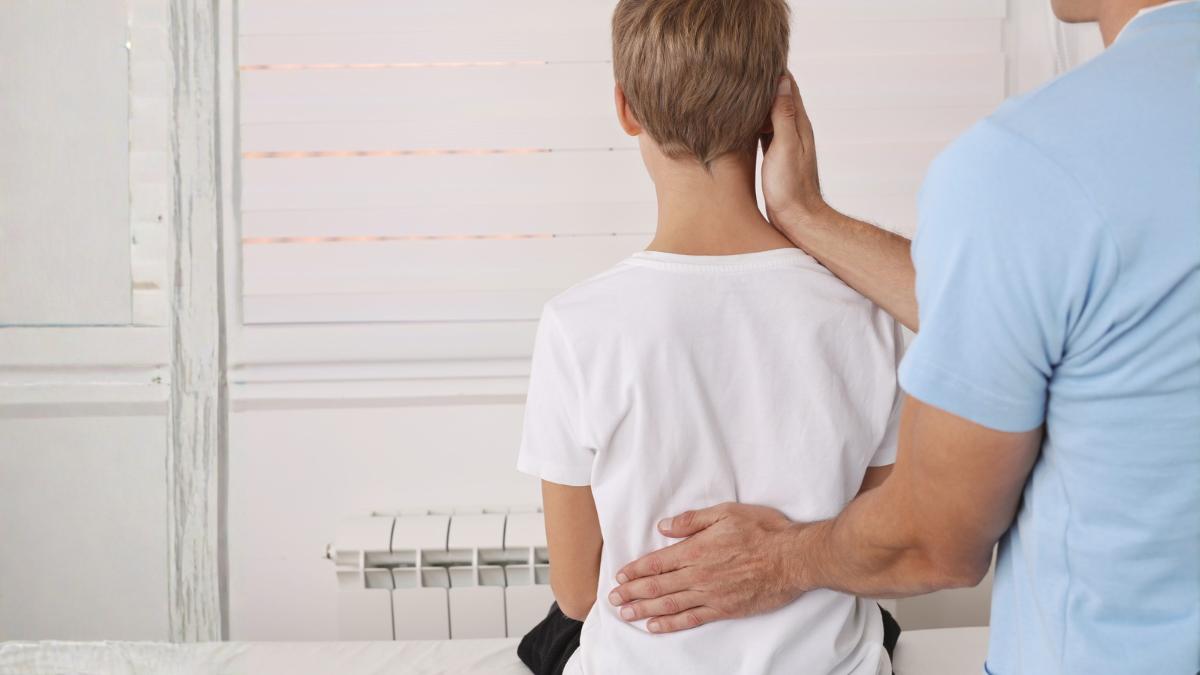

Back pain is not limited to adults. Long school days, frequent use of phones and tablets, insufficient physical activity and an incorrectly fitted backpack can all contribute to muscle discomfort in children and adolescents.
Dr Adolfo Díaz, a specialist in paediatric traumatology and orthopaedics at Quirónsalud Málaga Hospital, highlights the importance of developing healthy habits during childhood, a crucial stage for muscular and skeletal development.
Prevention is not simply a matter of sitting up straight. Children also need regular movement, physical exercise, appropriately sized furniture and responsible use of electronic devices.
Sitting for too long
Students spend a significant part of the day sitting in lessons. They may then remain in the same position while doing homework, studying, gaming or using screens.
Holding a fixed or uncomfortable position for extended periods can increase tension in the neck, shoulders and lower back. There is no single perfect posture that should be maintained for hours. Changing position and moving regularly are just as important as sitting correctly.
When a child is seated, they should ideally:
- Keep their back supported by the chair.
- Place their feet on the floor or use a footrest.
- Avoid bending excessively over the desk.
- Rest their forearms comfortably.
- Use a desk and chair suited to their height.
- Take short breaks to stand and move.
Breaks between lessons can be used for gentle movement and simple stretches involving the neck, shoulders and back.
How children should sit while studying
Furniture at school and at home should be appropriate for the child’s height.
A chair that is too high may prevent their feet from reaching the floor, while a desk that is too low may cause them to bend forward. Either situation can become uncomfortable when maintained for a long time.
A computer monitor should be positioned approximately at eye level and at a comfortable viewing distance. The keyboard and mouse should allow the shoulders to remain relaxed without forcing the elbows upwards.
Even a seemingly correct posture can cause discomfort if held for too long. Study sessions should therefore include regular breaks and be alternated with activities involving movement.
School bag weight and fit
School bags are a common concern for families. Carrying too much weight or wearing a backpack incorrectly can cause discomfort in the back, neck and shoulders.
As a practical guide, a loaded backpack should generally remain below approximately 15% of the child’s body weight. If the child has to lean forward to support it, the bag is probably too heavy.
A suitable school backpack should:
- Be proportional to the child’s height.
- Have two wide, adjustable shoulder straps.
- Include a padded back.
- Sit close to the body.
- Rest around the middle of the back.
- Always be worn over both shoulders.
- Ideally include a waist or chest strap.
Heavier objects should be packed closest to the child’s back. Families can also check the bag every week, remove unnecessary items and encourage the use of school lockers when available.
Heavy backpacks do not cause scoliosis
An excessively heavy backpack can cause muscle strain and discomfort, but it is not considered a cause of adolescent idiopathic scoliosis. There is also no evidence that carrying a school bag directly makes the spinal curve worse.
This distinction is important because reducing the load is intended to prevent pain, fatigue and muscle tension rather than scoliosis.
If parents notice uneven shoulders, an obvious change in posture or an unusual spinal curve, they should discuss it with their paediatrician.
Phones and tablets: avoid constantly looking down
Prolonged phone and tablet use can contribute to neck pain when children keep their heads tilted forwards for long periods.
The lower the screen is positioned, the more effort may be required to support the head. To reduce strain, children should:
- Raise the screen to a comfortable height.
- Use a tablet stand when possible.
- Avoid keeping the device on their lap for extended periods.
- Support their forearms.
- Change position regularly.
- Stop frequently to stand and move.
Screen-based activities should not replace physical exercise, sleep, outdoor play or face-to-face social interaction.
At least 60 minutes of physical activity every day
Children and adolescents aged 5 to 17 should complete an average of at least 60 minutes of moderate-to-vigorous physical activity each day.
This does not necessarily need to be completed in a single session. Walking, cycling, dancing, playing actively and taking part in organised sports can all contribute.
Regular exercise helps strengthen muscles and bones, improves coordination and offsets some of the sedentary time accumulated during the school day.
The most effective activity is usually one that suits the child’s age and interests and can become part of a sustainable routine.
When to seek medical advice for a child’s back pain
Mild muscular discomfort may improve after reducing the activity causing the pain, introducing gentle movement and correcting poor habits. However, back pain in a child should not be ignored when it persists or is accompanied by other symptoms.
Families should seek professional medical advice if:
- The pain is severe, worsening or does not go away.
- It prevents the child from walking, sleeping, studying or completing normal activities.
- It wakes the child at night.
- It is accompanied by fever or unexplained weight loss.
- The child develops weakness, tingling or numbness.
- The pain travels down a leg.
- The child’s walking pattern changes.
- There is a change in bladder or bowel control.
- A young child develops back pain without a known injury.
Routine paediatric appointments are also important for monitoring musculoskeletal development and detecting potential problems early.
Five habits that can protect children’s backs
Families can introduce a simple daily routine:
- Check the weight of the school bag regularly.
- Adjust chairs, desks and screens to the child’s height.
- Include movement breaks during study sessions.
- Encourage at least one hour of physical activity each day.
- Speak to a paediatrician if pain persists or interferes with daily life.
This article is for general information and does not replace individual advice from a paediatrician or other qualified healthcare professional.

Latest news



Similar News

Flu vaccination in Málaga opens to everyone aged 60 and over from Wednesday
Provincia de Málaga
