


Donated breast milk in Marbella: a solidarity network already helping the most vulnerable babies
Costa del Sol Hospital has already supported 30 newborns with donated human milk since joining the Granada Human Milk Bank network
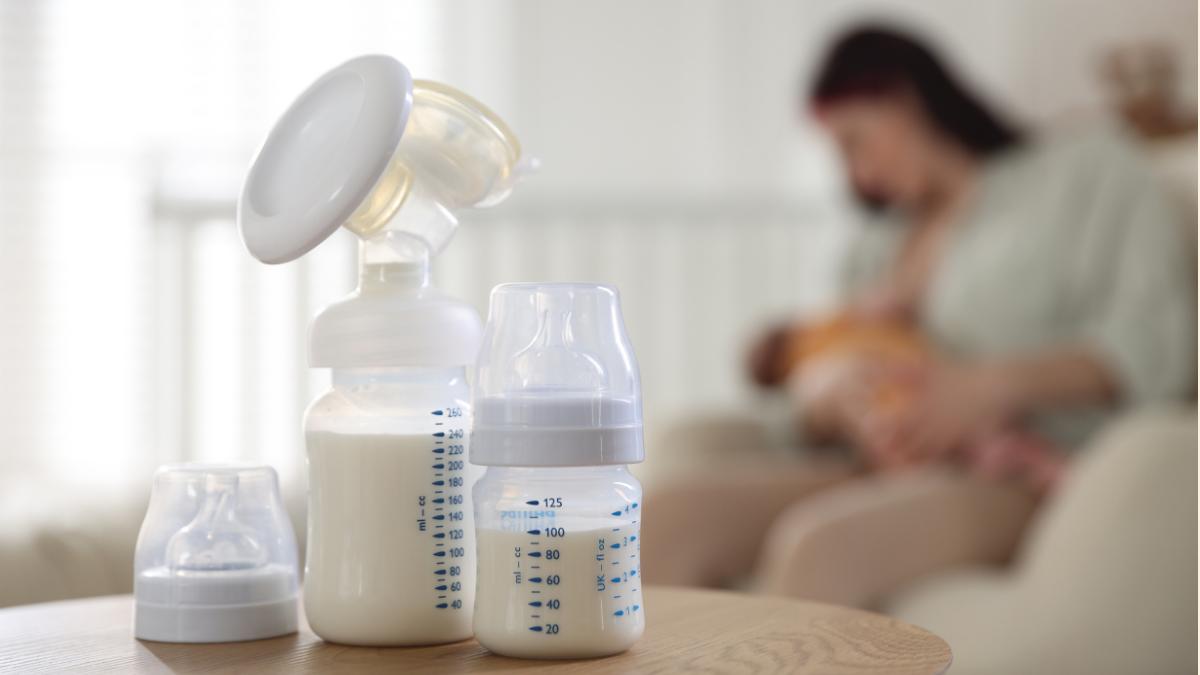

Just a few millilitres can make an enormous difference to a premature or seriously ill baby. Since last May, Costa del Sol University Hospital in Marbella has been part of the network linked to the Human Milk Bank at Virgen de las Nieves University Hospital in Granada, allowing particularly vulnerable newborns to receive human milk when their own mother’s milk is unavailable or insufficient.
Since the system began operating, 30 low-birth-weight, premature or unwell babies have already benefited from the service. The hospital has distributed around 36 litres of processed donor milk and received approximately 20 litres from donor mothers.
Why donated breast milk is so important for premature babies
A baby’s own mother’s milk is always the first choice. However, when she is temporarily unable to provide enough, donated human milk can become an especially valuable alternative for certain newborns.
Fewer infections and a lower risk of serious intestinal complications
Human milk contains nutrients, antibodies, growth factors and other bioactive components that support a newborn’s development.
For premature babies, one of the most important benefits is the reduced risk of necrotising enterocolitis, a serious intestinal condition that particularly affects babies born too early. Human milk can also improve feeding tolerance and provide additional protection against certain infections.
Babies weighing less than 1,500 grams are among the main beneficiaries
Donated milk is mainly reserved for the most vulnerable newborns.
This includes babies weighing less than 1,500 grams, premature babies born before approximately 32 to 34 weeks of pregnancy, and unwell newborns whose mothers cannot provide enough milk.
Around 15 babies weighing less than 1,500 grams are born each year at Costa del Sol Hospital, according to information released about the programme.
How the donor milk system works
The process requires strict logistics to ensure safety from the moment a mother donates her milk until it reaches the newborn.
From Marbella to Granada and back again
Mothers express their milk following the healthcare team’s instructions and keep it frozen.
Costa del Sol Hospital receives the milk, maintains the cold chain and arranges transport to the Human Milk Bank in Granada, where it is tested, processed and pasteurised.
Once treated, the milk is returned to the hospital and stored under controlled conditions until a specialist prescribes it for a baby.
Temperature and traceability are carefully controlled
The hospital has specific refrigeration and freezing systems with continuous monitoring.
The milk is transported in insulated containers designed to keep it below -18C, and each batch is fully traceable throughout the process.
Donating from home is also possible
One of the programme’s main advantages is that it makes donation easier for mothers who want to take part.
Women can express milk at home and store it frozen while following the instructions provided by the healthcare team.
The experience of Milagros Mena, a mother from Marbella, shows how straightforward the process can be: according to her account, the milk can be collected directly from the donor’s home through a service designed to maintain the cold chain.
There is no minimum amount
Donation is voluntary and every mother can contribute as much as she is able to, for as long as she wishes.
Milk banks recommend that a mother’s own breastfeeding is well established before she begins donating, and specific health criteria are applied to ensure the process is safe.
Support for mothers who cannot produce enough milk
The programme does not only benefit newborns.
For many mothers of premature babies, being unable to start breastfeeding immediately or produce enough milk can add further worry and stress to an already difficult situation.
Access to donated human milk helps bridge that gap during a particularly delicate stage.
Families whose babies have received donor milk also describe an emotional benefit: having this option available can reduce some of the pressure mothers may feel when medical circumstances prevent them from feeding their baby as they had hoped.
A network of generosity around the most fragile newborns
Costa del Sol Hospital now acts as a link between donor mothers, the reference milk bank in Granada and the newborns who need this resource.
The programme combines technology, healthcare protocols and a complex logistics chain, but ultimately depends on one simple gesture: a mother choosing to share part of her milk with another baby.
For the most vulnerable newborns, those few millilitres can become an essential part of their medical care during the first weeks of life.
How to donate breast milk through Costa del Sol Hospital
Women interested in finding out more about donation can contact Costa del Sol Hospital through the channels provided by the programme:
Phone: 689 354 156
Email: donacion.leche.hcs.sspa@andalucia.es
The healthcare team provides each potential donor with information about eligibility, expressing milk, storage and collection procedures.

Latest news



Similar News

Marbella strengthens its position as a health tourism destination for international patients
Marbella
