Living in Málaga’s smallest villages: when getting cash, seeing a doctor or catching a bus becomes a challenge
Small inland municipalities across Málaga province are warning about difficulties accessing basic services such as public transport, healthcare and cash machines, a problem that also makes it harder to fight depopulation.
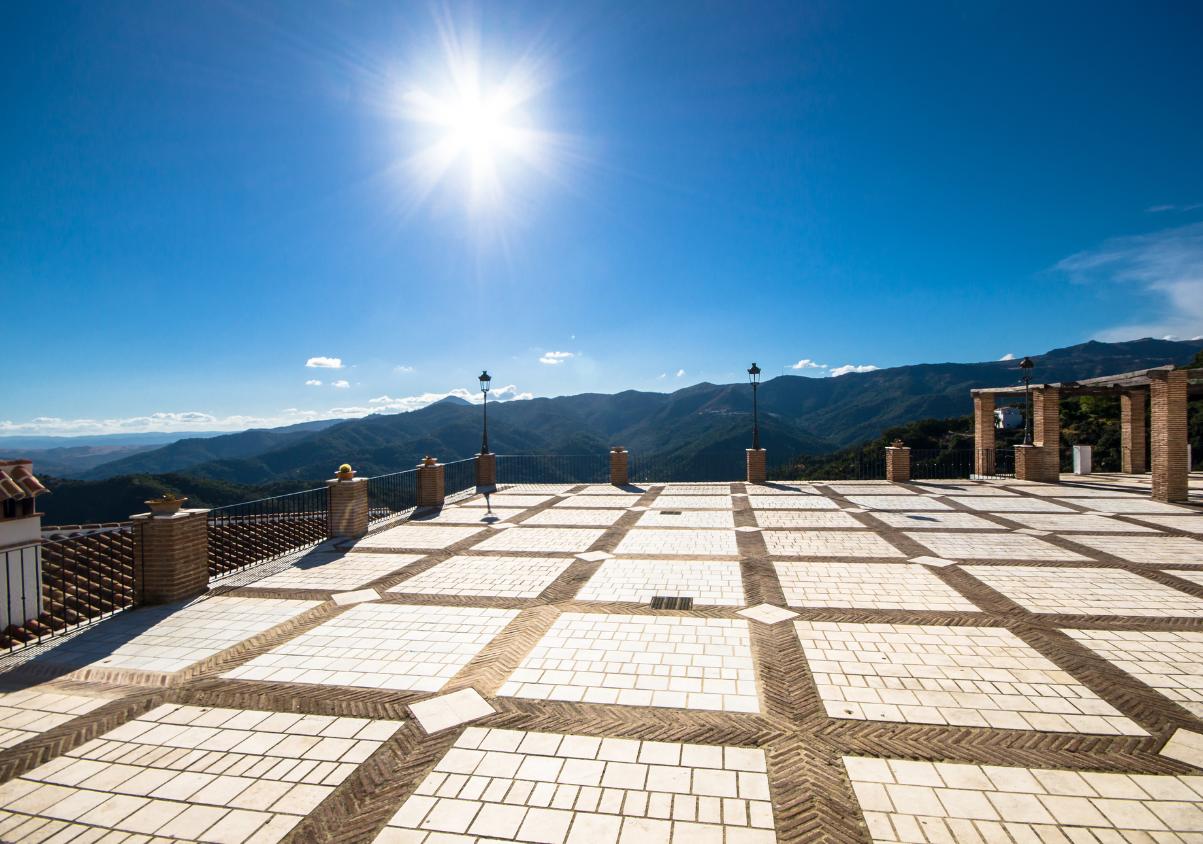

Living surrounded by nature, peace and close-knit communities has many advantages, but in some of Málaga’s smallest villages it can also mean depending on a car for simple tasks such as withdrawing cash, visiting a doctor or getting to work.
Municipalities in the Axarquía, Serranía de Ronda and Genal Valley share similar problems linked to disappearing banking services, limited public transport, mountain roads and restricted healthcare provision.
Villages without cash machines
Places such as El Borge and Comares have recently lost their ATMs and will now have to rely on mobile banking units.
The situation particularly affects older residents and people without access to a car.
In other small municipalities, including Salares, Parauta and Genalguacil, living without a bank branch or cash machine has long been part of everyday life, forcing residents to travel elsewhere for basic financial services.
Doctors only available on certain days
Healthcare is another major concern.
In villages such as Salares, Sedella and Parauta, doctors only visit local health centres on specific days of the week.
When an emergency occurs, residents may need to travel several kilometres to another medical centre or wait for an ambulance covering several municipalities.
The problem is particularly significant in villages with ageing populations.
One bus a day is not enough for commuting
Public transport is one of the most frequently mentioned issues.
In some villages there is only one bus a day, while in others services run only on certain days of the week.
In Genalguacil, for example, difficult road connections can make a journey to Marbella take around two hours.
In Cañete la Real, the local council is calling for better timetables that would make it possible for residents to use public transport to commute to Málaga for work.
Roads that increase isolation
Geography also plays an important role.
Villages such as Salares, Sedella and Genalguacil are connected by narrow mountain roads with numerous bends, meaning relatively short distances can take a long time to cover.
Heavy rain can make connections even more difficult and, in some cases, lead to temporary road closures.
The challenge of attracting new residents
These problems have a direct impact on depopulation.
Mayors in several municipalities argue that improving transport, healthcare and basic services is essential both to attract new residents and to retain existing populations.
More affordable housing, peaceful surroundings and access to nature could make these villages an alternative to more crowded parts of the province, but local authorities insist that this opportunity must be supported by adequate public services.
The challenge for Málaga’s smallest villages is not only to maintain their populations, but to ensure that living far from the province’s main cities does not mean giving up essential services.

Latest news


Similar News

Adecco Seeks 160 Call Centre Agents to Work in Benalmádena
Provincia de Málaga

Costa del Sol AP-7 Tolls Drop as Málaga-Guadiaro Falls to €12
Provincia de Málaga
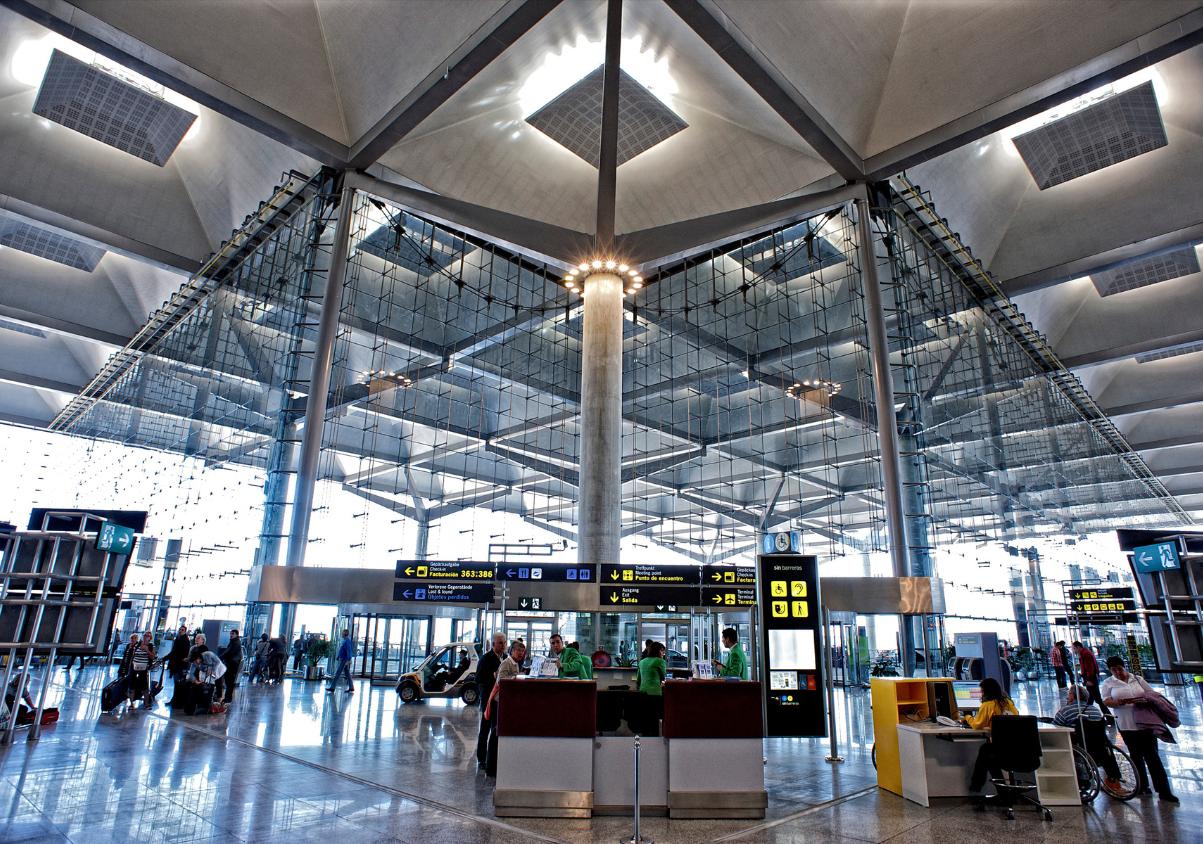
Málaga Airport Exceeds 100,000 Daily Passengers and Connects with 42 Countries
Provincia de Málaga