The Hidden Corner Among Málaga’s Olive Groves with a Ruined Convent and a Rock-Cut Church
Around one kilometre from Villanueva de Algaidas lies a remarkable historic complex formed by the ruins of the Franciscan convent of Nuestra Señora de la Consolación and a Mozarabic hermitage carved into sandstone. The visit can be combined with a walk to the medieval Arroyo del Bebedero bridge.
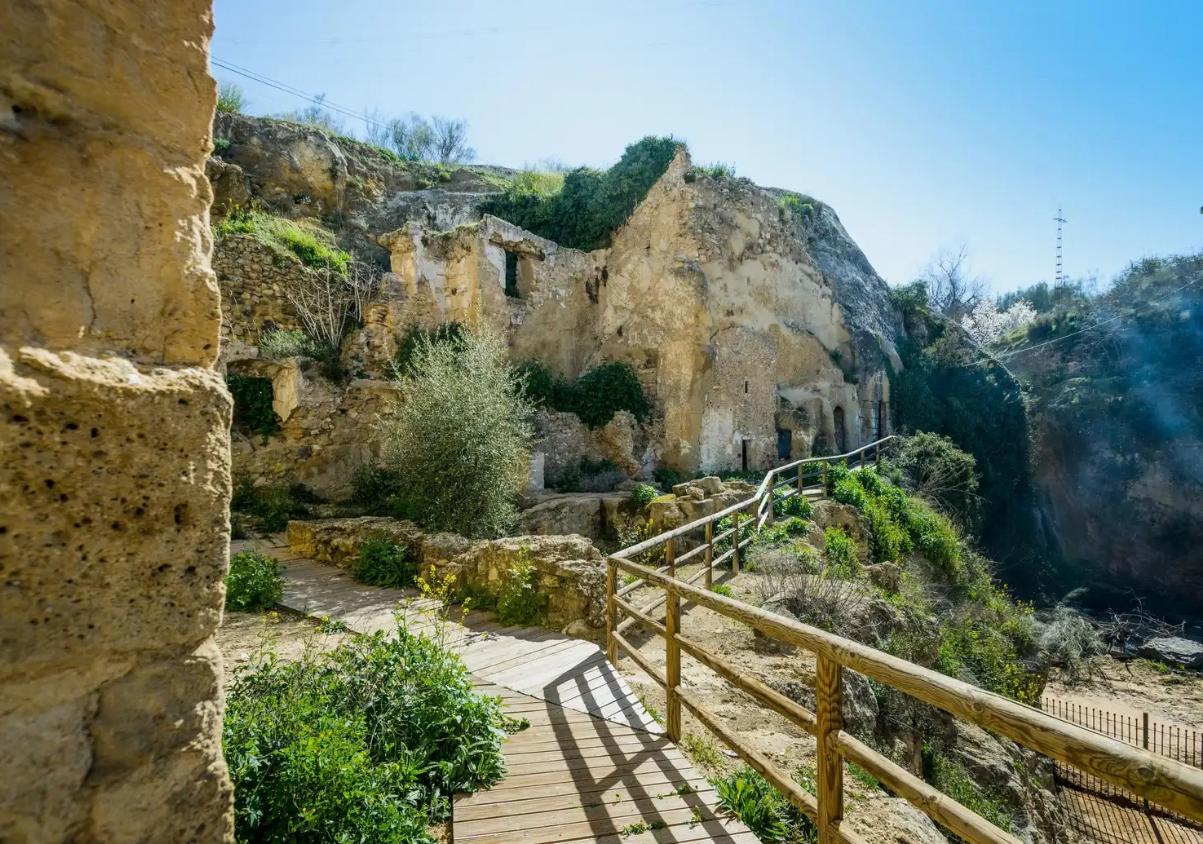

A Historic Treasure Hidden in Inland Málaga
One of the most unusual heritage sites in Málaga’s Nororma district lies among the extensive olive groves surrounding Villanueva de Algaidas.
The site brings together the ruins of Nuestra Señora de la Consolación Convent and an early medieval Mozarabic church carved directly into the rock.
Located approximately one kilometre from the town centre on the road towards Cuevas Bajas, the peaceful setting makes an interesting cultural excursion in inland Málaga.
Two very different periods of religious architecture share this landscape: a medieval rock-cut hermitage and a Franciscan convent founded several centuries later.
A Mozarabic Church Carved into Sandstone
The oldest part of the complex consists of two separate chambers carved into sandstone.
Villanueva de Algaidas Town Council dates the site to the ninth century and associates it with Christian Mozarabic communities living in Al-Andalus. Other heritage sources place its construction between the ninth and tenth centuries.
The largest chamber formed the church itself. It is divided into three spaces, with a rectangular central nave facing east, a simple barrel vault and a shallow apse.
Openings in its northern and southern walls lead into adjoining rooms. One may have served as a sacristy or baptistery because it contains a basin carved into the rock, together with a drainage channel and water inlet.
The chamber on the opposite side may have operated as a vestibule or ancillary space.
A Small Cell for Hermits
A second and considerably smaller chamber stands beside the church.
Specialists believe this room may have provided living accommodation for the hermits who occupied the site. Its limited dimensions suggest that it could only have housed a small number of people.
The complex belongs to the tradition of rural hermitages: secluded places where religious communities and individual hermits withdrew from the main population centres.
The church is especially valuable for preserving the basic arrangement of an early medieval Christian place of worship within a space excavated entirely from the rock.
The Convent Behind the Town’s Origins
The ruins of the Franciscan Recollect convent of Nuestra Señora de la Consolación de las Algaidas stand only a short distance from the hermitage.
Pedro Téllez-Girón, the first Duke of Osuna, founded the convent in 1566. Francisco Blanco y Salcedo, Bishop of Málaga, granted permission for its establishment on 30 November of that year.
The religious community played a central role in the development of Villanueva de Algaidas. Settlers and workers gradually established homes around the convent, creating the settlement that eventually became the present town.
The name Algaidas derives from an Arabic term associated with woodland or green hills. Villanueva de Algaidas can therefore be approximately translated as “New Town of the Woods”.
What Remains of the Convent
The convent is now in ruins, although enough survives to make out sections of its original structure.
The former church is the best-preserved element, although its roof has disappeared. Portions of the dome and side chapels remain visible, together with traces of old wall paintings.
These surviving features provide an impression of the building’s former importance.
The surrounding woodland was an important economic resource for the friars. Timber was supplied for uses that included the Spanish Navy, while acorns and other forest products supported the community.
The Medieval Arroyo del Bebedero Bridge
Visitors can extend the outing with a walk to the nearby medieval bridge crossing the Arroyo del Bebedero.
The bridge once connected settlements located on opposite sides of the watercourse. It has a main semicircular arch accompanied by two smaller side openings, supported by thick local stone blocks joined with mortar.
Although considered medieval, it may stand on the site of an earlier crossing. Its position among vegetation and exposed rock adds to the scenic appeal of the route.
Together, the convent, rock-cut church and bridge form a compact historic itinerary covering several periods in the development of Villanueva de Algaidas.
Connections with Walking Routes
Several walking routes and historic paths pass close to the site.
The Villanueva de Algaidas–Cuevas Bajas stage of the Gran Senda de Málaga approaches the convent ruins and follows a landscape dominated by olive groves.
The area also coincides with part of the Mozarabic Way of Saint James and other marked local trails.
Walkers seeking a longer route can follow the approximately 17-kilometre Gran Senda stage from Villanueva de Tapia to Villanueva de Algaidas. The route crosses Mediterranean countryside and extensive olive plantations before reaching the historic complex.
How to Get There
The site lies around one kilometre outside Villanueva de Algaidas on the road towards Cuevas Bajas.
It can be approached from the town centre by following the local road near the municipal cemetery and Arroyo del Bebedero.
Visitors can travel most of the way by car or approach on foot from the town. Walking provides a better opportunity to appreciate the surrounding olive groves and rural landscape.
Comfortable footwear is advisable, particularly for anyone planning to continue towards the medieval bridge or nearby trails.
Access and Visitor Advice
The outing should primarily be considered an exterior visit to a historic site in a ruined condition.
Access to the rock-cut church and sections of the former convent may be restricted because of ownership, conservation or safety considerations. Visitors should contact Villanueva de Algaidas Town Council before travelling to confirm current conditions and enquire about any organised visits.
Fences should not be crossed, and visitors must avoid entering closed areas or touching the surviving architectural remains.
There are no conventional visitor facilities at the site, so water, sun protection and appropriate footwear are recommended.

Latest news



Similar News
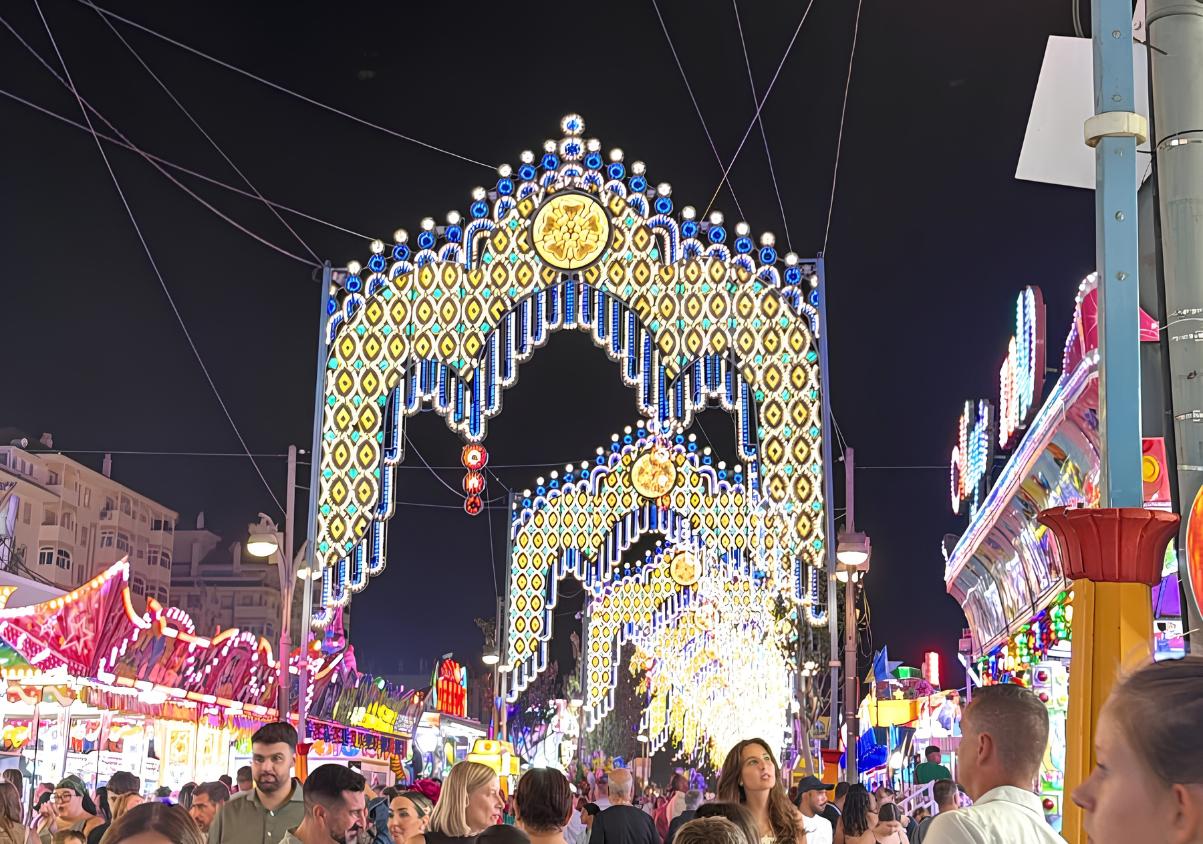
What to do in Málaga this long weekend: fairs, Oktoberfest events, markets and plans from 9 to 12 October
Provincia de Málaga

What to do in Málaga and the Costa del Sol this weekend: plans from 1 to 4 October
Provincia de Málaga
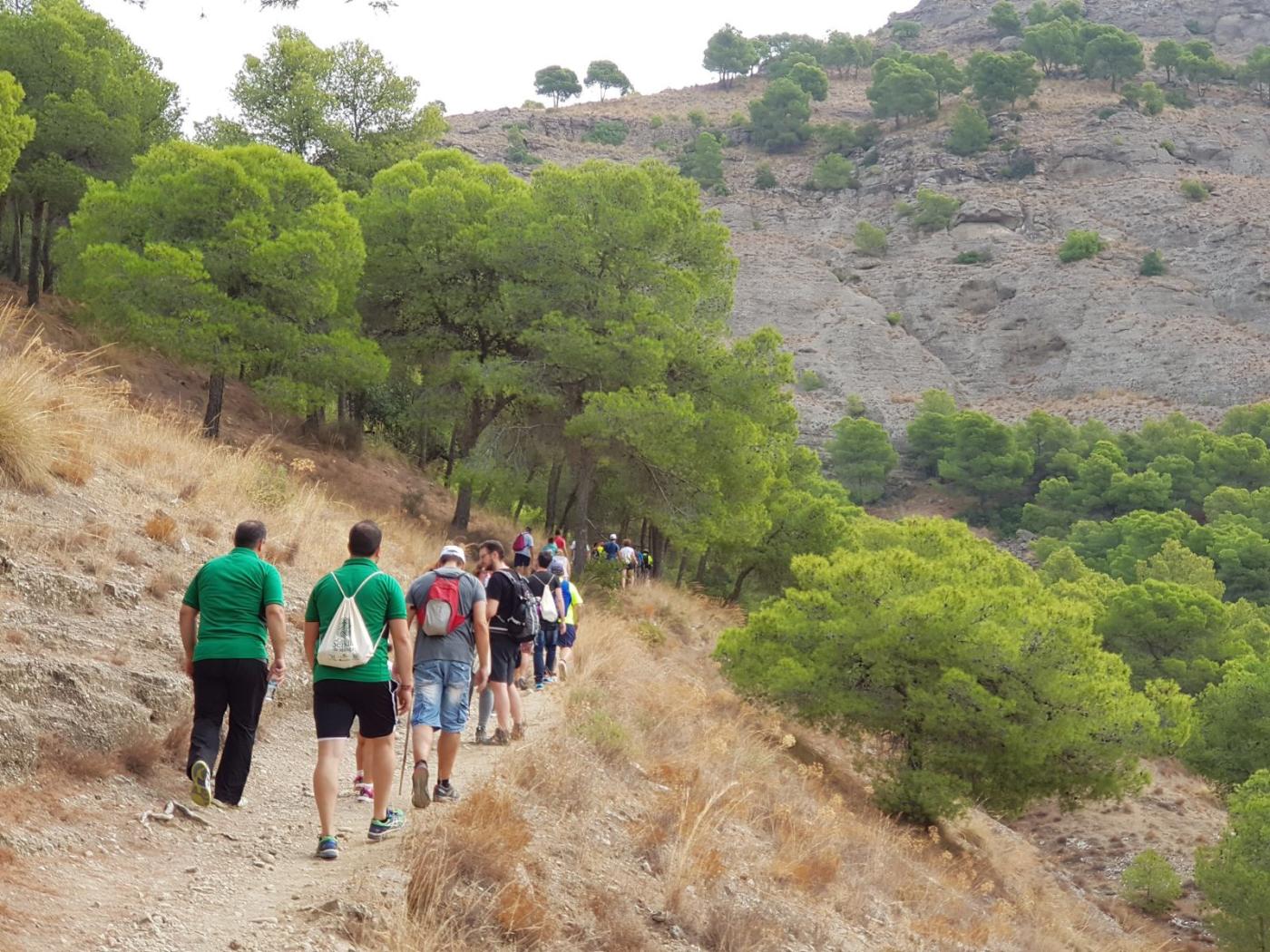
Castles, Hiking Trails and Other Places You Can Visit from the C-2 Commuter Train
Provincia de Málaga