Castles, Hiking Trails and Other Places You Can Visit from the C-2 Commuter Train
The line connecting Málaga with Álora makes it possible to discover some of the Guadalhorce Valley’s main attractions without a car. Medieval fortresses, museums, viewpoints and hiking trails are located within reach of the train, although some visits require an additional bus journey or a walk with a considerable incline.

A Train Journey Through Inland Málaga
The C-2 commuter train departs from Málaga Centro-Alameda and continues through Málaga María Zambrano, Victoria Kent, Los Prados, Campanillas, Cártama, Aljaima and Pizarra before terminating in Álora. Its route crosses the Guadalhorce Valley and connects the provincial capital with some of inland Málaga’s most notable municipalities.
Services are less frequent than on the C-1 line, making it advisable to check both the outward and return trains in advance. Renfe provides real-time information about the status and timetables of Málaga’s commuter services.
Málaga Centro-Alameda: The Alcazaba and Gibralfaro
The first proposal begins without leaving the city. From Málaga Centro-Alameda, visitors can walk to Atarazanas Market, Calle Larios, the Cathedral and the area surrounding the Roman Theatre.
The route can continue to the Alcazaba and Gibralfaro Castle, two of Málaga’s most representative defensive structures. Reaching Gibralfaro involves a considerable uphill walk, although it is also possible to get closer using a city bus.
This plan combines heritage, viewpoints and food on an excursion that begins and ends at the city-centre station.
Cártama: Castle, Hermitage and Archaeological Heritage
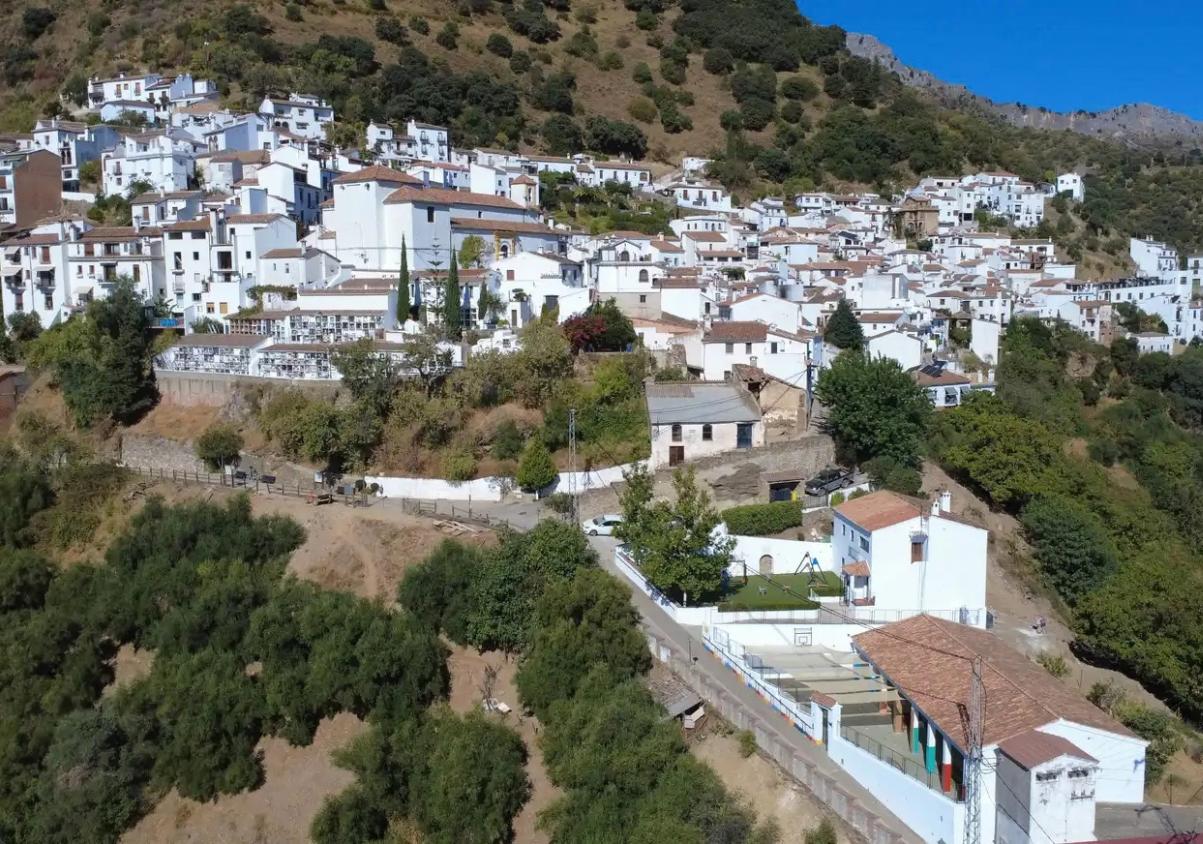
The railway station is located in Estación de Cártama, while the historic centre stands approximately four kilometres away. A metropolitan bus or taxi is recommended for reaching Cártama Pueblo. Several routes connect the two areas, but their timetables and frequencies vary depending on the day.
Once in the town, the route can begin in Plaza de la Constitución before continuing towards the ruins of Cártama Castle, which stands on a hill overlooking much of the valley.
Another essential stop is the Hermitage of Nuestra Señora de los Remedios. Declared an Asset of Cultural Interest, the church occupies the summit of Monte de la Virgen and preserves notable Baroque decoration inside.
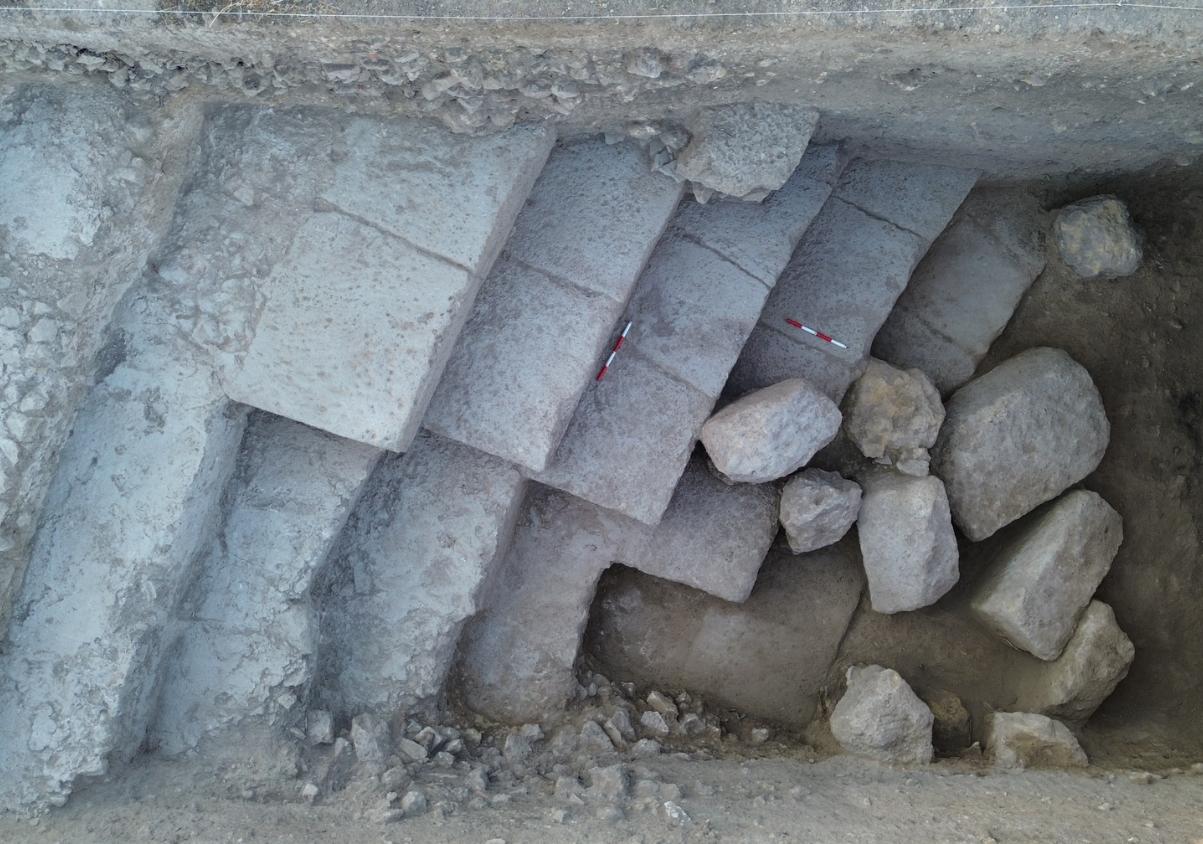
The visit can be completed at the Cártama Museum Collection. Its 183 exhibits cover the municipality’s history from Prehistory to the Modern Age and include Iberian, Roman, Visigothic and Andalusian objects. Opening hours should be checked before visiting, as the museum mainly opens at weekends.
Pizarra: The Raja Ancha and El Santo Trail
Pizarra offers one of the most accessible hiking plans from the C-2. The station is close to the town centre, making it possible to walk to the Raja Ancha recreational area, the starting point for several routes through the Sierra de Gibralmora.
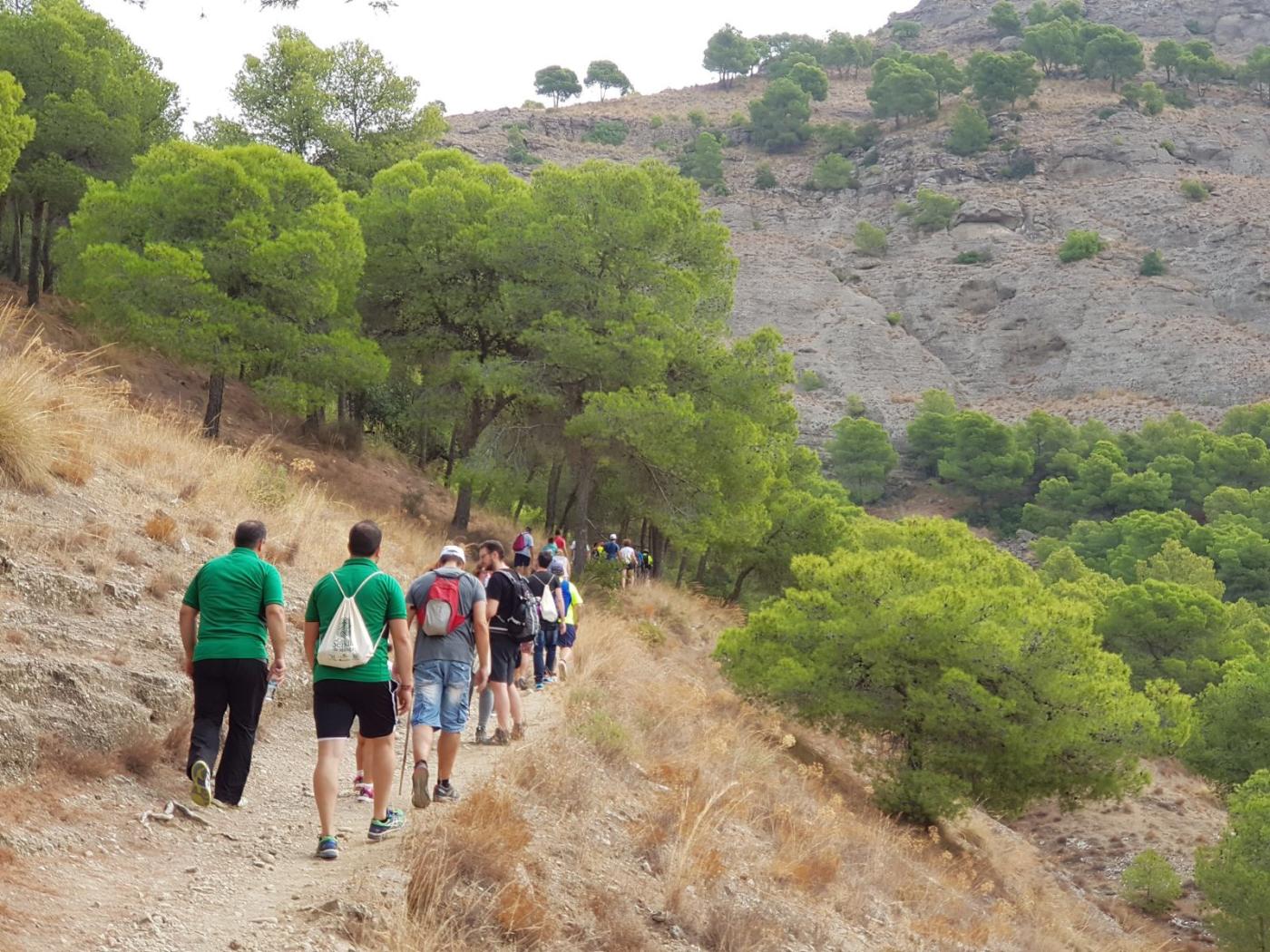
The SL-A 213 trail leads to El Santo, the popular name given to the Sacred Heart of Jesus monument located on the mountain. The route passes through a narrow gap between rocks, pine woodland, viewpoints and places such as Cueva Oscura.
The trail covers approximately 5.9 kilometres and takes an estimated two hours and 45 minutes. It finishes beside the Hermitage of Nuestra Señora de la Fuensanta before descending back towards the town centre.
The higher sections provide views across the Guadalhorce plain, citrus plantations and several nearby towns. Although the route is not considered particularly long, suitable footwear, water and sun protection are necessary.
On certain Sundays and public holidays during autumn, an alternative itinerary may be recommended because part of the trail crosses a hunting area. Visitors should therefore check the municipal signs before setting out.
Álora: An Arab Castle Above the Guadalhorce
The final stop on the line is also one of the most complete. From Álora station, visitors can walk uphill towards the Arab Castle and historic centre, although the route includes steep slopes.
The castle occupies Cerro de las Torres and was built during the Middle Ages over earlier Iberian and Roman remains. The site preserves towers, sections of defensive wall, a horseshoe arch and a Gothic chapel constructed over the former mosque. Its location provides extensive views across the Guadalhorce Valley.
From there, the route can continue to Plaza Baja de la Despedía. Nearby attractions include the Church of Nuestra Señora de la Encarnación, the Rafael Lería Municipal Museum, Cervantes Viewpoint and the complex formed by the Arab cistern and the Molino del Bachiller.
Hiking Around Monte Hacho
Visitors looking for a more demanding excursion can follow the PR-A 415 Monte Hacho trail. This circular route begins and ends in the town centre of Álora.
The itinerary covers approximately 14 kilometres and takes around four hours. It crosses pine woodland and areas filled with aromatic plants before reaching several natural balconies overlooking the valley.
The route is marked with information panels, trail markers and directional signs, but still requires proper planning. High temperatures and the lack of shade along certain sections make it advisable to avoid the middle of the day during the hottest periods.
Can You Reach the Caminito del Rey on the C-2?
The regular C-2 line terminates in Álora, meaning that not all its trains continue to El Chorro. Visitors wishing to reach the Caminito del Rey must specifically look for the Málaga-El Chorro Proximity Services or combine the journey with another authorised connection.
Before organising this excursion, visitors must also reserve admission to the Caminito del Rey and ensure that the railway timetable allows them to arrive sufficiently early. Renfe distinguishes this connection from the regular commuter service.
Tips for Planning the Excursion
Pizarra offers the easiest itinerary directly from the train, while Cártama requires an additional transport connection to reach its historic centre. Álora can be explored on foot from the station, but its streets and access routes involve considerable inclines.
Before travelling, visitors should check monument opening hours, confirm the final return train and download the hiking routes. Water, suitable footwear and sun protection are also essential for the mountain trails.

Latest news