Málaga completes first phase of strengthened urban tree safety inspections after checking more than 1,660 trees
The City Council has focused inspections on large trees located near schools, playgrounds, pedestrian areas and other busy public spaces. More than 1,000 trees have required crown reduction, while 123 are being replaced.
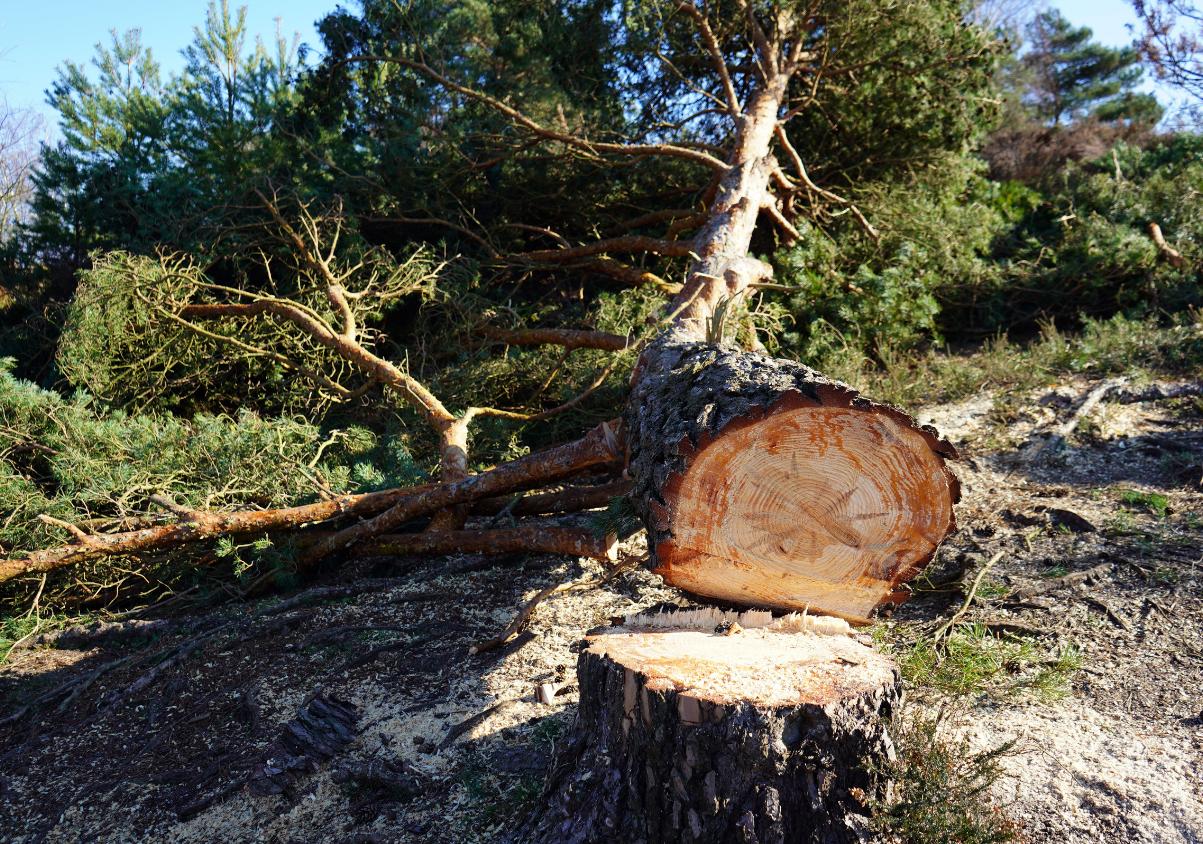

Málaga has almost completed the first phase of its special programme to strengthen monitoring of the city’s urban trees, an initiative launched to identify possible risks associated particularly with large trees located in heavily used public areas.
Since the end of August, teams responsible for maintaining parks, gardens and street trees have inspected 1,663 large trees across different parts of the city.
The checks have focused mainly on places where a falling branch could have more serious consequences, including school surroundings, playgrounds, seating areas, pedestrian zones and locations with high footfall.
The programme complements the inspections carried out throughout the year and forms part of Málaga’s wider strategy for managing risks linked to urban trees.
Málaga has more than 100,000 trees across its urban area
Trees form one of the most important elements of Málaga’s green infrastructure.
The municipal inventory includes more than 100,000 geolocated trees and palms, while the city’s total tree stock is even larger.
Managing this green infrastructure involves pruning, plant health treatments, safety inspections, new planting and the replacement of trees where necessary.
The scale of the city’s tree population means that different levels of monitoring are required.
Not every tree presents the same potential risk or needs to be inspected with the same frequency.
Size, species, age, structural condition and location are some of the factors used to determine what action is required.
1,663 trees inspected during the first phase
The reinforced inspection programme began at the end of August.
Over roughly one month, teams inspected 1,663 trees considered a priority because of their size, shape or location.
This does not necessarily mean the trees were diseased or in poor condition.
A tree can appear healthy and still require closer monitoring because of its size or because it stands in a busy area.
For this reason, the programme has not focused only on trees showing visible signs of deterioration.
Assessments also take into account the potential consequences of branch failure or structural problems.
Schools and playgrounds among the priority areas
One of the main criteria for deciding where to intensify inspections has been the regular presence of people.
Work has concentrated on what the City Council describes as target areas, where a branch failure could have a particularly serious impact.
These include:
- school surroundings;
- playgrounds;
- pedestrian areas;
- seating and leisure zones;
- parks and gardens;
- areas with high pedestrian traffic.
The strategy combines the technical condition of each tree with the characteristics of the place where it is located.
A large tree next to a school, for example, may receive a higher inspection priority than a similar tree in an area with very little pedestrian activity.
Eucalyptus trees account for a large share of the checks
Eucalyptus trees have received particular attention during the inspections.
Of the 1,663 trees checked, 720 are eucalyptus specimens.
The focus on this species increased following an incident in August on Calle Pedro Gómez Sancho, in the Palma-Palmilla district.
A large branch fell and injured two people.
The incident led the City Council to reinforce checks on eucalyptus trees across different parts of Málaga.
The tree showed no obvious external warning signs
One of the reasons the August incident attracted particular attention was that the tree did not display clear external signs suggesting that a branch failure was likely.
According to municipal information, neither the tree nor the fallen branch showed apparent rot, major cavities, previous fractures or significant pest damage.
No visible structural defect had been identified that would have clearly indicated an imminent failure.
Situations like this explain why tree risk management cannot be limited only to spotting visibly damaged trees.
Some branch failures can occur without easily recognisable external warning signs.
What is sudden branch drop?
In arboriculture, there is a phenomenon commonly known as sudden branch drop, which is associated with certain species and environmental conditions.
It can occur when an apparently healthy branch breaks without obvious warning signs beforehand.
These episodes may happen during periods of high temperatures or under certain environmental conditions.
However, each case needs to be assessed individually and not every branch failure has the same cause.
Technical inspections therefore remain an important tool for reducing risk.
More than 1,000 trees have required crown reduction
The inspections carried out during this first phase have already resulted in a large number of interventions.
The City Council has carried out crown reduction on 1,042 trees.
This type of pruning aims to reduce the volume and weight of certain branches and lower the load placed on the tree’s structure.
It is not simply a matter of cutting branches indiscriminately.
The work must take into account the architecture of the tree, its species, its condition and how it is likely to respond after pruning.
Each intervention is decided on technical grounds.
Another 159 pruning operations are still pending
In addition to the work already completed, 159 further pruning operations are planned.
This means that the first inspection phase is almost finished, but some of the measures resulting from those inspections will continue over the coming weeks.
Pruning is one of the options used when technical teams consider that reducing part of the crown can improve safety without removing the tree completely.
In other cases, however, the assessment may conclude that the risk cannot be sufficiently reduced through pruning alone.
123 trees have been removed
The inspections have also resulted in decisions to remove certain trees.
The City Council confirms that 123 trees have been felled after technicians determined that they presented a higher level of risk.
Of these, 65 were eucalyptus trees.
Removal is used when available conservation measures are not considered sufficient to maintain the tree safely.
A further 23 removals are already scheduled.
Every removed tree will be replaced
Removing a tree does not mean that the city permanently loses one unit from its green infrastructure.
The City Council has announced that all removed trees will be replaced as part of the annual planting campaigns.
These operations are mainly carried out during autumn and winter, when weather conditions are usually more favourable for establishing new trees.
Replacement also provides an opportunity to assess whether the previous species remains the best option for the location or whether another species would be better adapted.
Almost 9,700 trees planted in seven years
Municipal planting programmes have added 9,684 new trees over the past seven years.
The aim is not only to replace those that have been removed.
The city also seeks to gradually increase vegetation coverage along streets, in parks and across other urban spaces.
Species selection is particularly important in a Mediterranean city such as Málaga, where trees must cope with high temperatures, periods of drought and limited water availability.
Shade provision and resilience to urban conditions are also important factors.
The programme began before the August incident
The current initiative is not the beginning of tree inspections in Málaga.
The Parks and Gardens Service carries out maintenance and monitoring work throughout the year across the city’s 11 districts.
A separate inspection programme was also carried out during the summer of 2025.
The reinforcement introduced at the end of August 2026 increases the intensity of these checks and directs resources towards the trees considered the highest priority.
More than 31,000 tree-related interventions in 2026
Even before this reinforced programme began, the companies responsible for maintaining Málaga’s trees had already carried out more than 31,000 interventions during 2026.
These included pruning, inspections, treatments, maintenance work and replacements.
Urban tree management is a continuous process because trees are living organisms that change over time.
A positive inspection does not mean that a tree will never need to be checked again.
Málaga’s Strategic Urban Tree Risk Management Plan
Decisions on how to manage each tree are based on Málaga’s Strategic Municipal Urban Tree Risk Management Plan.
The document establishes criteria for assessing risk and determining the appropriate action.
The system takes into account both the characteristics of the tree and the possible consequences of structural failure.
The plan forms part of a broader strategy for managing Málaga’s green infrastructure.
Prune, preserve or replace
After an inspection, technical teams can reach different conclusions.
If the tree is in good condition and no significant risks are identified, it can remain without major intervention.
In other cases, pruning or reducing certain branches may be sufficient.
Where there is a structural problem that cannot be corrected with adequate safety guarantees, removal may be considered necessary.
Replacement then becomes part of the overall management cycle for urban trees.
A large tree is not automatically a dangerous tree
One important aspect of the programme is avoiding the assumption that every large tree is dangerous.
Mature trees provide especially valuable benefits in cities.
They offer more shade, help reduce temperatures and generally provide greater environmental benefits than young trees.
The purpose of the inspections is therefore not to remove specimens simply because of their size.
The priority is to identify cases where a combination of factors means some form of intervention is advisable.
Trees and adaptation to urban heat
Urban tree management is becoming increasingly important in Mediterranean cities.
Trees provide shade and can help reduce the temperature of certain urban surfaces.
They also improve environmental quality, absorb carbon and provide habitat for different species.
For this reason, any safety strategy needs to strike a balance between preserving trees and reducing potential risks.
Removing large trees without technical justification would mean losing some of the elements with the greatest capacity to improve the urban environment.
Málaga is also developing a new green infrastructure ordinance
The reinforced inspections coincide with other changes related to the city’s environmental management.
The City Council gave initial approval in September to a new Green Infrastructure and Urban Tree Ordinance.
The regulations aim to govern the creation, conservation and use of green areas, parks, woodland spaces and urban trees.
They also establish criteria related to new planting, pruning, protection during construction work and the conservation of existing trees.
The ordinance is intended to update municipal regulations and adapt them to Málaga’s current green infrastructure model.
Málaga takes part in international urban tree management networks
The city also hosted the first European Tree Cities of the World Meeting and the fifth European i-Tree Conference in September.
The event brought international specialists in urban tree management to Málaga.
Topics included green infrastructure planning, tools for measuring the benefits provided by trees and experiences developed in other cities.
These initiatives show how urban tree management is moving from a model focused mainly on maintenance towards broader planning of what is increasingly described as the urban forest.
The first phase is ending, but inspections will continue
The figures presented by the City Council relate only to the highest-priority phase of the programme.
Tree monitoring will continue as part of routine maintenance work.
In addition, 159 pruning operations and 23 removals are still scheduled as a result of the inspections already carried out.
Future checks will also allow teams to monitor how trees respond after pruning or where ongoing observation is required.
Greater safety without giving up urban trees
The challenge for cities is to allow trees to grow large enough to provide meaningful environmental benefits while also managing the risks associated with ageing, damaged or poorly located specimens.
Málaga is addressing that challenge through inspections, selective pruning, removals where necessary and replacement planting.
The first phase of the reinforced programme has allowed teams to inspect 1,663 trees, intervene on more than a thousand of them and identify those requiring further action.
The municipal objective is to keep this work as part of a preventive management strategy that protects Málaga’s green heritage while also considering the safety of people using streets, schools, parks and public spaces every day.

Latest news



Upcoming events
6
Oct
EmpoderaLIVE 2026 – 20 Years Building Citizen Digital Sovereignty in Málaga
6
Oct
The Rat Pack Experience: Frank Sinatra & Sammy Davis Jr. in Marbella
9
Oct
Circo Quirós Málaga 2026
9
Oct
Long Day’s Journey into Night with Carlos Hipólito in Málaga
9
Oct
Rockin the Joint – Jive Night in Torremolinos
Similar News

Comic-Con Málaga 2026: Opening Hours, Tickets, Guests and Complete Visitor Guide
Málaga
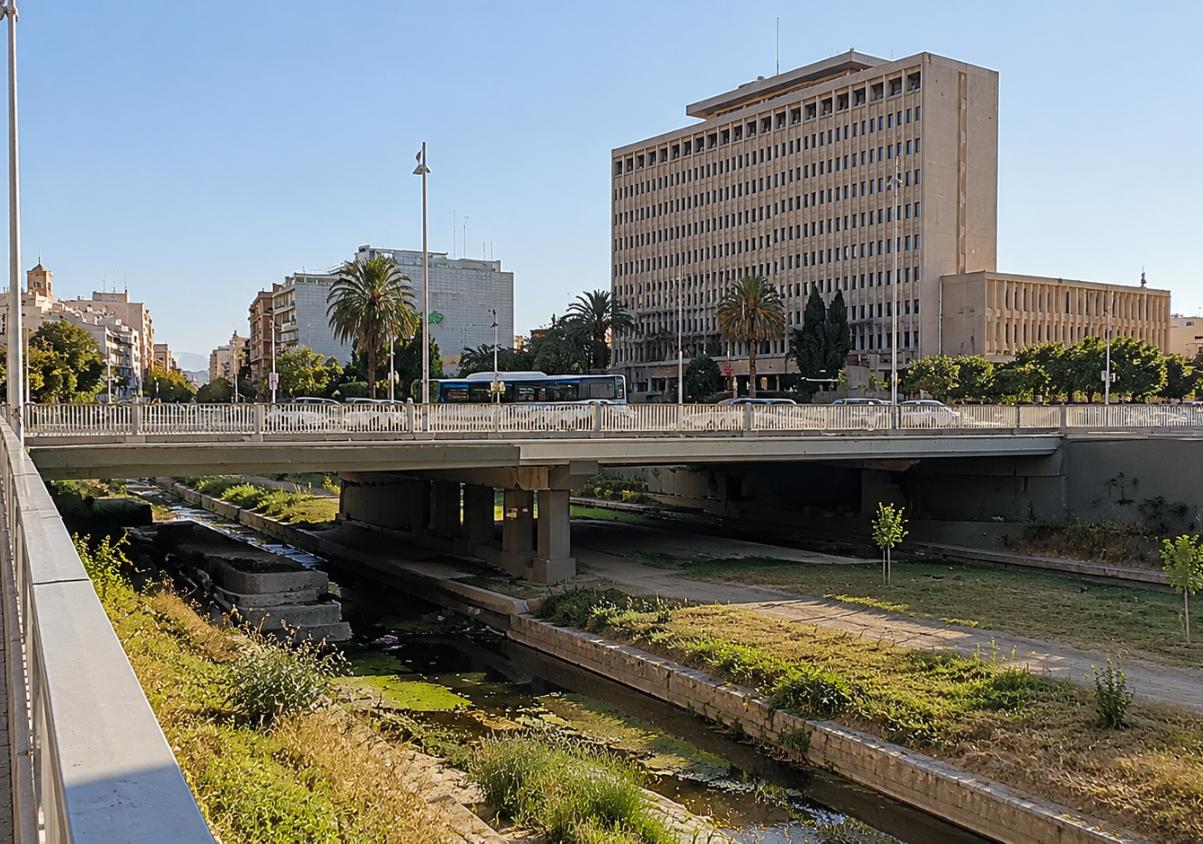
Málaga’s Tetuán Bridge to gain green areas, seating and nearly 300 new plants
Málaga

Málaga heads into early October with strong hotel demand driven by Comic-Con and the San Miguel Fair
Málaga