Casares and Manilva, two of the towns in Málaga that best combine summer: beach and mountain.
Casares and Manilva, a unique combination of sea and mountains at the western end of the province. The village in Málaga where its residents compete to see who has the most beautiful balcony and patio full of flowers.

The province of Málaga hosts destinations that, beyond the usual coastal appeal, offer a complete summer experience. To the west of the Malaga territory, two towns stand out for offering visitors the best of both worlds: proximity to the mountains and direct access to the coast. These are Casares and Manilva, two towns in Málaga that combine history, nature, culture, and sea in a perfect balance for those who want to discover the most versatile face of the province.
Casares: a white balcony between the mountains and the Mediterranean
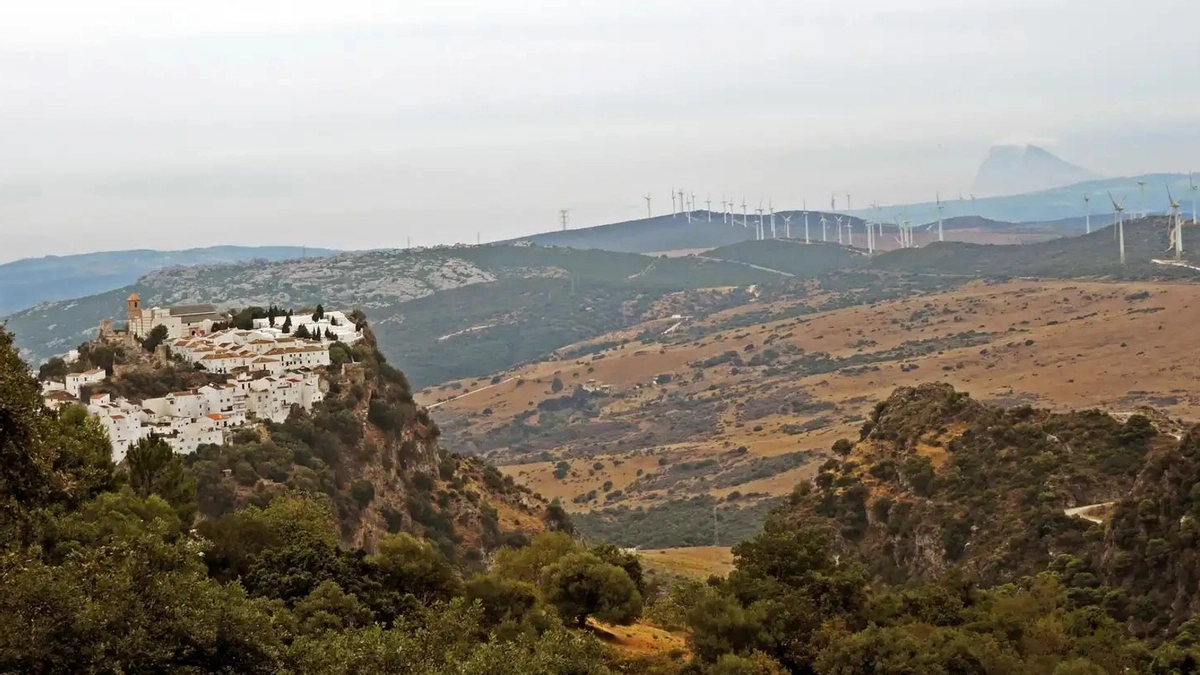
Recognized as a Historic-Artistic Site since 1978 and considered one of the most picturesque towns in Spain, Casares rises on a steep limestone massif in the Sierra Bermeja, more than 400 meters above sea level. Its unique location makes it a reference for those seeking the authenticity of the mountains without giving up proximity to the sea.
The urban core of Casares preserves an Andalusian-origin layout, with narrow streets, whitewashed houses, and a rugged topography that offers spectacular views. From the heights, the Castle of Casares, dominating valleys and hills, offers a view that spans from the Serranía de Ronda to the Bay of Algeciras. Next to it, the old Church of the Incarnation, built by the Catholic Monarchs, now houses the Blas Infante Cultural Center, in honor of the Andalusian thinker born in this town.
Aerial view of Casares. / M. H.A few kilometers further down, in a more riverine environment, lies one of the most unique enclaves of the municipality: the Baños de la Hedionda, known for its sulfuric waters which tradition attributes healing properties. The sixteenth-century aqueduct bridge that crosses the Albarrán stream retains its original structure and accompanies this space of historical and scenic value.
From the baths, one of the most outstanding hiking trails in the area begins: the Canuto de la Utrera, where the most southern karst complex in Europe is located. This natural space houses unique geological formations and a notable biodiversity, including colonies of griffon vultures. The Sierra Crestellina, on the other hand, stands as a site of great ecological value and offers views that highlight the mountainous character of Casares, while maintaining its connection with the sea.
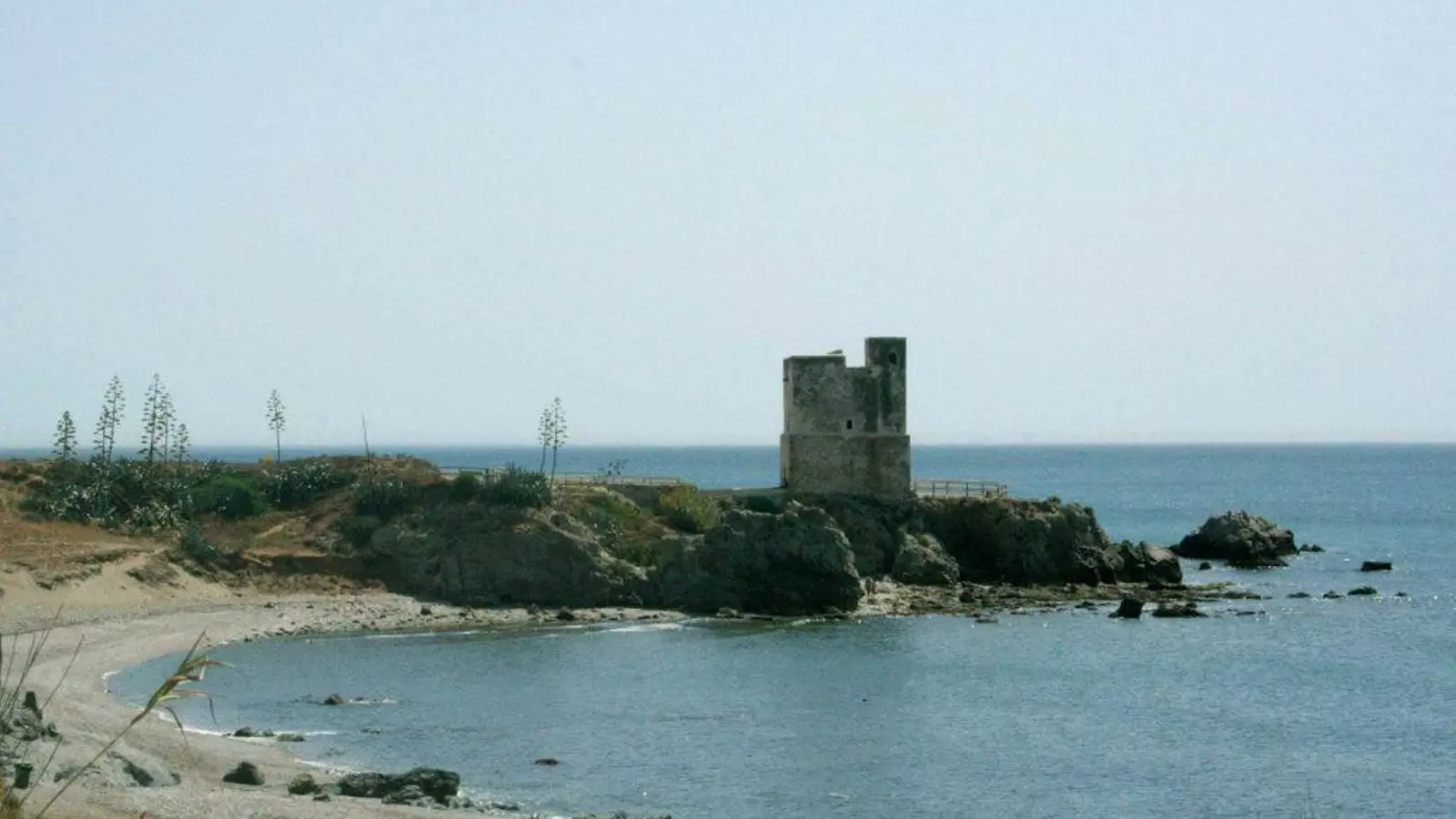
This connection is clearly manifested at Playa de la Sal, located just four kilometers from the urban center. This beach, adapted as a dog-friendly beach, is dominated by the watchtower of Salto de la Mora, a remnant of the area's Muslim past that confirms Casares' connection with the coastline.Manilva: coast, wine, and historical legacy at the provincial border
South of Casares and embraced by more than eight kilometers of coast, Manilva represents the other side of the sea-mountain duo. This municipality combines its maritime identity with a deep-rooted wine tradition, centered on the production of Moscatel wine from Alexandria grapes. The Interpretation Center of the Vineyards of Manilva offers a detailed view of the role this activity has played in the local economy.
In the municipality, there are notably long beaches, such as Sabinillas Beach, where the cuisine linked to the sea—especially the espetos of sardines and other fish—defines the culinary offering. This area, less crowded than other parts of the Costa del Sol, offers a tranquil experience without sacrificing quality tourist services.
In the municipal term of Manilva. / visitacostadelsol.comOne of the most notable points of the Manilva coast is Punta Chullera, also known as Punta Cala Sardina, which marks the natural border with the province of Cádiz. This is a cozy cove, frequented by both bathers and diving enthusiasts, thanks to its rocky seabed and marine biodiversity.
History also has its place at Castillo Beach, where the Castle of the Duchess, built in the eighteenth century over Roman remains, is located. Its proximity to La Duquesa Sports Port, one of the most recognized in Europe, makes it a highly interesting point for nautical and cultural tourism.
Punta Chullera, in Manilva. / malaga.esAdditionally, the Ecological Reserve Playa de Manilva, declared as such in 2011, protects more than 150 plant species typical of the Mediterranean coastal ecosystem. This natural environment has a network of trails that spans more than six kilometers of coast, where activities such as observing native flora or horseback riding at sunset are possible.

Latest news
Upcoming events
17
Sep
La Pequeña Cuba Gastro-Cultural Festival in San Pedro Alcántara 2026
18
Sep
World Wellness Weekend Marbella 2026
18
Sep
Candlelight: Queen vs. ABBA in Málaga
18
Sep
Candlelight: Coldplay and Imagine Dragons in Málaga
18
Sep
3 de Corazones – Pancho Céspedes, Enrique Ramil and José Luis Jaén in Málaga
Similar News
The NGO Mol Beh Taa from Casares establishes a nursery school in Gambia
Casares
Construction of a new luxury housing development begins in Casares
Casares
This hiking trail connects two of the most beautiful villages in Málaga
Casares