From Antequera to South Korea: Finca La Torre strengthens the international reach of its extra virgin olive oil
The Málaga-based olive mill in Bobadilla has recognised South Korean company S2food as its top importer after consolidating annual exports of around 10,000 litres of extra virgin olive oil.

Extra virgin olive oil produced in Antequera continues to strengthen its presence abroad. One of the clearest examples is Finca La Torre, the olive mill based in Bobadilla that has consolidated South Korea as one of its most important international markets.
The company has recognised South Korean firm S2food as its top importer during an event marking the recent development and international growth of the Málaga producer.
According to information released around the event, Finca La Torre currently sends around 10,000 litres of extra virgin olive oil to South Korea every year.
The relationship shows how a product deeply rooted in the agricultural landscape of Antequera has managed to reach a market thousands of kilometres away from Andalusia.
From Bobadilla to tables in South Korea
The journey begins at the company’s estate in Bobadilla, within the municipality of Antequera.
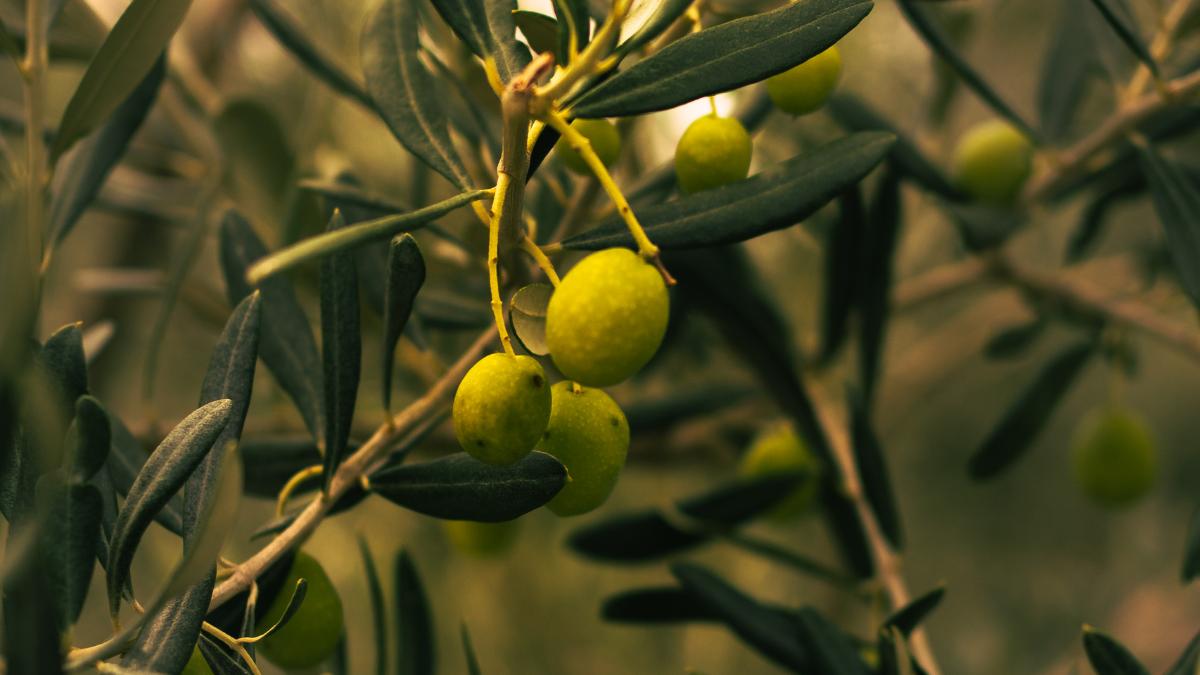
Different olive varieties are grown there before being processed at the estate’s own mill.
Once produced and bottled, part of the oil begins an international journey that has helped Finca La Torre reach restaurants, specialist retailers and distributors in different countries.
South Korea has become one of those destinations.
S2food has played a particularly important role in developing the brand in this market, eventually becoming one of the international partners formally recognised by the producer.
Around 10,000 litres of EVOO every year
The volume sent to the South Korean market is approximately 10,000 litres per year, according to the information released about the relationship between the two companies.
The figure is significant for a producer whose strategy has historically focused on quality rather than large-scale volume.
Finca La Torre markets its oils as a premium gastronomic product and has built much of its international positioning around that approach.
Its expansion abroad also reflects the growing presence of Spanish extra virgin olive oil in markets where it has traditionally not formed part of everyday cuisine.
Olive oil gains ground in Asia
The expansion into South Korea reflects a wider change in international olive oil consumption.
Although Spain, Italy, Greece and other Mediterranean countries still account for a major share of traditional consumption, EVOO has gradually gained ground in markets across Asia, North America and the Middle East.
Interest in Mediterranean cuisine, demand for premium products and greater attention to food provenance have all contributed to this shift.
For quality-focused producers such as Finca La Torre, these markets offer an opportunity to position olive oil not simply as a basic ingredient, but as a premium gastronomic product.
Recognition for the South Korean importer
The award given to S2food recognises the work involved in establishing and developing a foreign brand in a different market.
Importers and distributors play a crucial role in this process.
Their work goes beyond simply transporting the product.
They also need to build a commercial network, explain the characteristics of the oil to consumers and professionals, and identify the right channels to reach restaurants and specialist retailers.
In markets where olive oil does not yet have the same cultural importance as it does in Spain, this educational role becomes particularly valuable.
An anniversary with an international outlook
The recognition comes at a significant moment for Finca La Torre.
The company has recently celebrated 15 years since the beginning of its current business phase, marked by a strong commitment to organic and biodynamic farming and the production of high-quality extra virgin olive oil.
The anniversary event brought together institutional representatives, industry professionals and importers from different markets.
It provided an opportunity to review the company’s development while also highlighting the growing importance of internationalisation within its business model.
A 380-hectare estate in Antequera
Finca La Torre manages an estate of around 380 hectares, according to recent information published about the company.
Approximately 240 hectares are dedicated to olive groves, with tens of thousands of trees.
Production is mainly based on four olive varieties:
- Hojiblanca
- Arbequina
- Picudo
- Cornicabra
Hojiblanca has particular importance because of its close connection with the Antequera region.
Production begins with an early harvest
One of the features that defines Finca La Torre’s approach is its commitment to early harvesting.
The olives are picked while they still retain particular levels of freshness and aromatic intensity.
During periods of high temperatures, the company has even moved part of its harvesting operation to night-time hours in order to protect the fruit.
The aim is to reduce the time between harvesting and milling and to avoid processes that could affect the final quality of the oil.
From olive tree to mill as quickly as possible
The mill itself is designed to process olives almost immediately after they arrive.
Finca La Torre states that it avoids keeping the fruit in storage for long periods before extraction.
This approach helps reduce oxidation and preserve aromas and flavours.
After production, the oil is stored in stainless steel tanks with temperature control and systems designed to limit contact with oxygen.
Organic and biodynamic agriculture
Another central part of the estate’s identity is its farming model.
The company works according to organic and biodynamic agricultural principles, approaches designed to reduce dependence on certain chemical products and improve the balance between soil, crops and the wider ecosystem.
Under this model, the olive grove is not treated as an isolated production area.
Vegetation, animals, soil nutrients and the reuse of agricultural by-products are all considered part of the same system.
This approach has also become one of the characteristics that distinguishes the brand in international markets.
Numerous national and international awards
Finca La Torre’s development has been accompanied by a long list of awards.
The olive mill has received the Alimentos de España Award for Best Extra Virgin Olive Oil from Spain’s Ministry of Agriculture on several occasions.
It has also achieved top scores in Flos Olei, the international guide dedicated to evaluating olive oils from around the world.
These recognitions have helped reinforce the company’s position within the premium EVOO segment.
Andalusia as both origin and selling point
The company also places its Andalusian identity at the centre of its brand.
The oil is presented as more than simply a food product.
Its origin, the olive-growing landscape, local varieties and the agricultural history of Antequera all form part of the story behind each bottle.
This becomes particularly valuable in countries where consumers increasingly want to know not only what they are buying, but also where it comes from and how it was produced.
A tradition linked to olive oil since Roman times
The estate is located in an area with a long historical connection to olive cultivation.
Nearby archaeological remains are linked to Singilia Barba, an important Roman settlement located close to Antequera.
Sources connected with the estate refer to evidence of ancient installations associated with olive oil production.
Although the current business project is much more recent, this historical context allows modern production to be connected with an olive-growing tradition stretching back more than 2,000 years.
Málaga EVOO as an export product
The South Korean example shows how Málaga’s agri-food sector can reach far beyond the local market.
Málaga may be internationally known for tourism, but products such as olive oil, wine and certain tropical fruits also form part of the province’s export activity.
In the case of Finca La Torre, the strategy is to compete in a segment where price is not the only factor.
Quality, awards, origin and production methods all form part of the added value used to differentiate the brand.
From Antequera to a market almost 10,000 kilometres away
The distance between Antequera and Seoul is well over 9,000 kilometres.
That journey says a great deal about how Spanish olive oil has changed over recent decades.
A deeply local product, linked for centuries to Andalusian rural culture, can now end up on restaurant tables and in homes on the other side of the world.
The approximately 10,000 litres that Finca La Torre sends to South Korea each year are a clear example of that transformation.
For the company, the recognition given to S2food reflects the role played by partners who have helped turn an EVOO made in Bobadilla into a product capable of competing in international markets.
Latest news