Roasted chestnuts return to Málaga despite the summer-like autumn weather
Traditional chestnut stalls are back in Ronda and Málaga while the harvest season is in full swing across the Genal Valley.
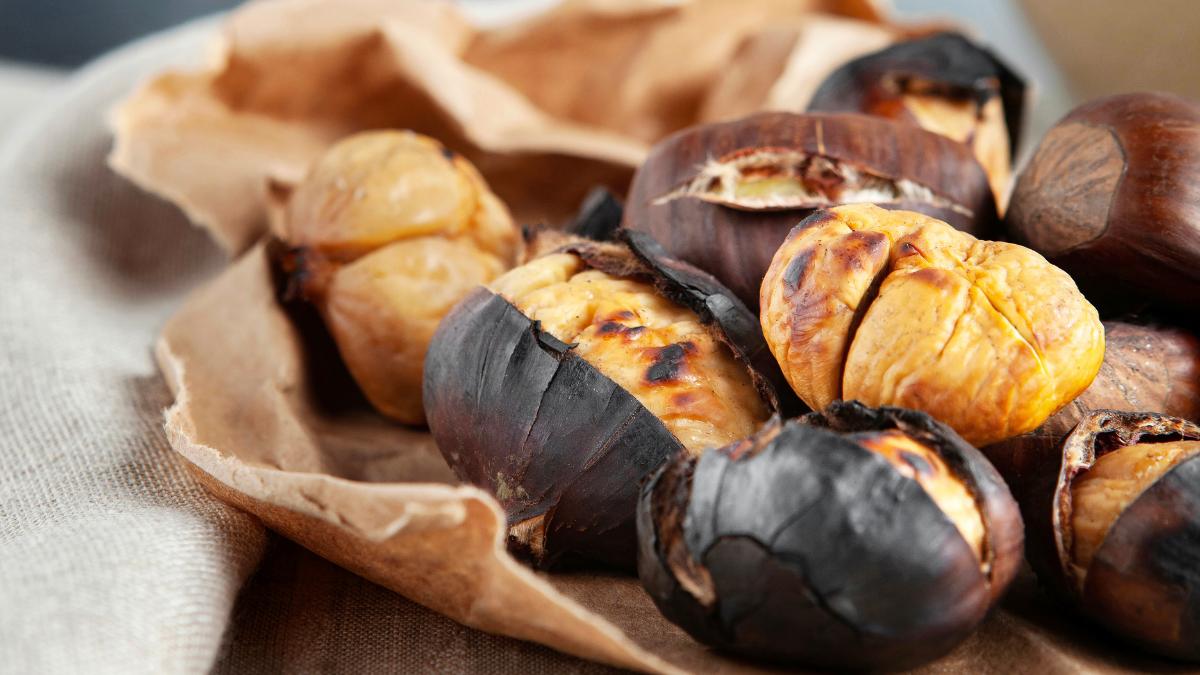

The smell of roasted chestnuts has returned to the streets of Málaga and Ronda, even though the weather still feels more like summer than autumn. The first traditional chestnut stalls are already open, coinciding with a new harvest season in the Genal Valley, one of the areas most closely associated with this product in Málaga province.
The contrast is especially noticeable this October: while mild temperatures and sunny days continue, the smoke and aroma from traditional roasting pans are already announcing one of the season’s most recognisable traditions.
The warm weather is affecting sales to some extent, but it has not stopped residents and visitors from enjoying one of autumn’s most characteristic flavours.
Chestnut season is underway in the Genal Valley
The harvest began at the end of September with the earliest varieties.
The Genal Valley, in the Serranía de Ronda, is one of the main chestnut-producing areas in Málaga and Andalusia.
Its natural conditions also mean that part of the crop reaches the market earlier than chestnuts from other producing regions.
Villages such as Pujerra, Jubrique, Igualeja, Parauta and Genalguacil have a long-standing connection with chestnut cultivation.
During these weeks, much of the agricultural activity in the area revolves around harvesting a product that remains both economically and culturally important.
Lower production, but good quality chestnuts
The 2026 season is expected to produce fewer chestnuts than last year.
The cooperative receiving produce from growers in Pujerra and Jubrique expects to handle around 500,000 kilos, compared with approximately 700,000 kilos during the previous season.
Despite the decline, forecasts suggest the chestnuts will have good size and quality.
This is especially important for chestnuts intended for direct consumption, where size, texture and ease of peeling matter.
Roasted chestnut stalls return to Ronda
One of the most recognisable signs of autumn in Ronda can already be seen in the city centre.
The traditional chestnut stall in Plaza del Socorro has reopened.
The smell of roasting chestnuts is once again part of the atmosphere in one of the city’s busiest squares.
The preparation remains simple and traditional: chestnuts are placed in a perforated metal pan positioned directly over hot embers.
How are roasted chestnuts prepared?
Although the method may look simple, a good roasted chestnut depends heavily on the quality of the fruit.
Before roasting, a small cut must be made in each chestnut.
This prevents them from bursting over the heat and also makes them easier to peel afterwards.
They are then roasted while being moved regularly to ensure even cooking.
Some stalls also add a small amount of salt during the process.
The finished chestnuts are traditionally served in a paper cone, which helps keep them warm while making them easy to eat on the move.
How much does a cone of roasted chestnuts cost in Ronda?
At the stall in Plaza del Socorro, a cone of roasted chestnuts currently costs around €1.50.
That makes it one of the most affordable snacks for anyone walking through central Ronda.
For many visitors, especially tourists, buying a cone has also become part of the experience of visiting the city during autumn.
Warm weather is affecting demand
The weather has a direct impact on sales.
Roasted chestnuts are traditionally associated with cold afternoons, damp streets and autumn weather.
When temperatures remain high, people are naturally less inclined to buy something served piping hot straight from the fire.
Sellers have noticed this during recent weeks.
Although sales over the previous holiday period were positive, they have not yet reached the levels usually seen during a colder October.
Tourists are keeping the tradition alive
Tourism is helping support demand at these traditional stalls.
For many visitors, trying roasted chestnuts is part of the experience of travelling through Andalusia during autumn.
In Ronda, where thousands of tourists pass through the historic centre and shopping areas every day, visitors make up an important part of the customer base.
Even with temperatures that still feel more like September, the smell of roasting chestnuts continues to attract attention.
A tradition that also returns to Málaga city
Ronda is not the only place where chestnuts become part of the urban landscape at this time of year.
In Málaga city, roasted chestnut stalls also return each autumn to several central locations.
Alameda Principal and some of the city’s main shopping streets have traditionally hosted these vendors.
They become especially noticeable when evenings finally turn cooler and Málaga moves into the final months of the year.
Chestnut festivals are coming to the Genal Valley
The harvest season also has an important festive side.
Different villages in the Serranía organise events during October and November linked to chestnuts and the traditional roasting known locally as tostón.
These celebrations combine food, music, local traditions and products made from chestnuts.
Among the villages most closely associated with the tradition are Jubrique and Pujerra.
Jubrique celebrates chestnut gastronomy
Jubrique is preparing a series of food-related activities in November centred on one of its most important agricultural products.
Roasted chestnuts traditionally play a central role in these events.
But chestnuts also appear in desserts, sweets, savoury dishes and other recipes that show how deeply rooted the product is in local cuisine.
These events also help attract visitors to the Genal Valley outside the summer tourist season.
Pujerra, one of Málaga’s great chestnut villages
Pujerra is perhaps one of the Málaga villages most closely identified with chestnuts.
Chestnut groves surround much of the village and shape both the landscape and the agricultural calendar.
The municipality has long maintained celebrations linked to the tostón and chestnut culture, bringing residents and visitors together around one of its most emblematic products.
With the arrival of autumn, the landscape around the village also begins to change dramatically.
The Copper Forest begins its transformation
The chestnut harvest coincides with one of the Serranía de Ronda’s most spectacular natural changes.
The chestnut forests of the Genal Valley gradually shift from green to shades of yellow, ochre and red.
This seasonal transformation has become known as the Bosque de Cobre, or Copper Forest.
Although the most intense colours usually arrive between late October and November, these weeks mark the beginning of a process that attracts large numbers of hikers and visitors every year.
Pujerra, Igualeja, Parauta and Jubrique are among the best places from which to explore the landscape.
Chestnuts, hiking and white villages
The season therefore offers an ideal opportunity to combine food and nature.
A visit to the Genal Valley can include hiking routes through chestnut groves, walks through white villages and the chance to try local products.
Over the coming weeks, the scenery will continue changing as autumn progresses.
For those living on the Costa del Sol, in Ronda or Málaga city, the Serranía is close enough for an easy day trip.
An autumn flavour that survives the heat
Current temperatures may not seem ideal for standing beside a fire and buying a hot paper cone.
But chestnut season is already well underway.
The stalls are open, the harvest continues across the Genal Valley and local villages are preparing their traditional celebrations.
Once temperatures finally begin to fall, roasted chestnuts will probably return to the atmosphere most people associate with them.
Until then, residents and tourists are proving that some flavours can signal the arrival of autumn even when the weather still seems determined to hold on to summer.

Latest news



Upcoming events
22
Oct
El Hijo de la Cómica – José Sacristán in Málaga
23
Oct
Happy Congress: Health, Happiness & Business in Marbella
27
Oct
Perdiendo el juicio – Sergio Alamar Comedy Show in Málaga
29
Oct
Giant – José María Pou as Roald Dahl in Málaga
6
Nov
Verborrea with Javier Cámara, Israel Elejalde and Marta Nieto in Málaga
Similar News
Lo Güeno, the Historic Málaga Restaurant That Turned Tapas into an Art Form
Provincia de Málaga
Casa Pepa: The Carratraca Inn Serving Home-Style Food for €14
Provincia de Málaga
Málaga restaurant wins innovation award with Andalusian-style patatas bravas
Provincia de Málaga