New DGT rules from 1 October: what drivers, cyclists, motorcyclists and e-scooter users in Málaga need to know
Spain’s updated General Traffic Regulations come into force on 1 October 2026, introducing changes that particularly affect cyclists, e-scooter users, motorcyclists, pedestrians and professional delivery riders. The reform also includes new rules for overtaking, traffic jams, snow, seat belts and motorhomes.
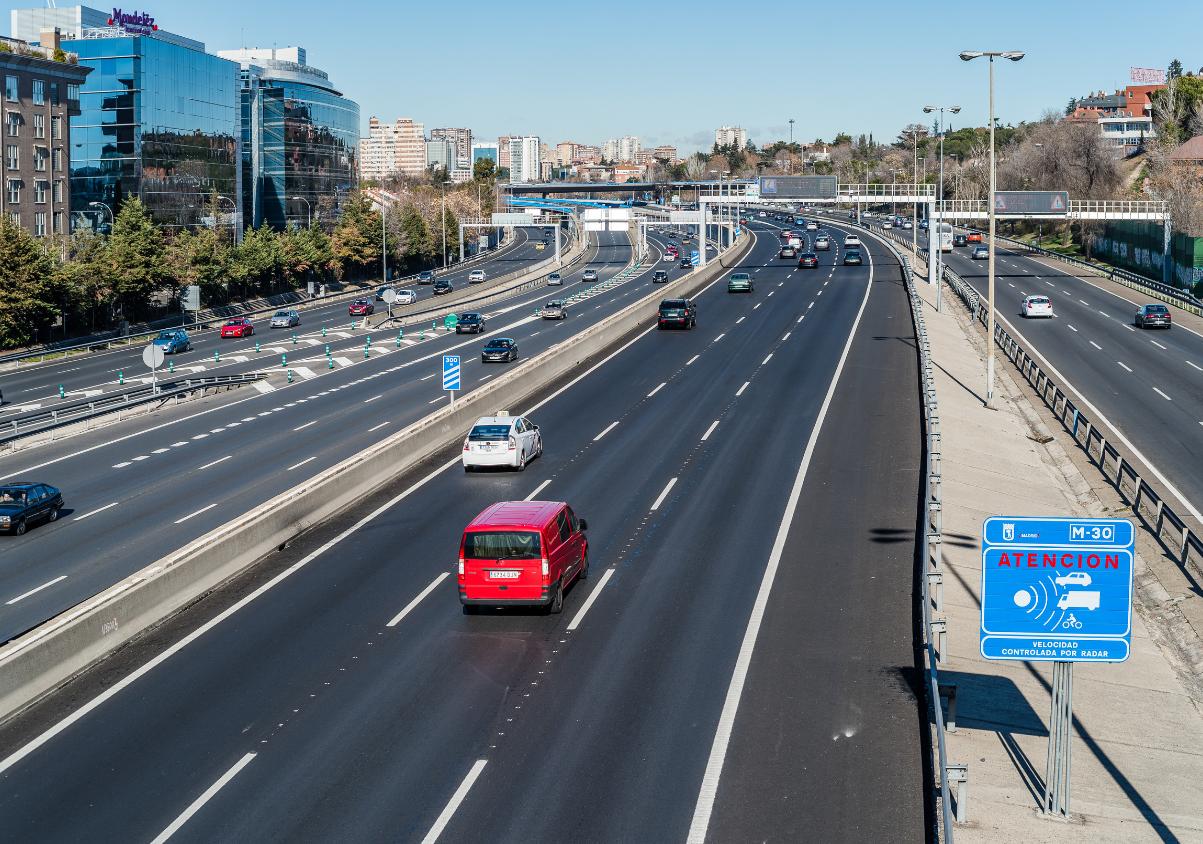

Getting around Málaga changes from Thursday 1 October. A large part of the reform of Spain’s General Traffic Regulations comes into force today, with a package of measures focused mainly on protecting the most vulnerable road users.
The changes apply across Spain and therefore also affect Málaga city, the Costa del Sol and the rest of the province.
Among the most visible measures are a minimum age for riding electric scooters, new obligations for motorcyclists and delivery riders, stricter rules when overtaking cyclists and the introduction of emergency corridors during heavy traffic.
The Directorate-General for Traffic, the DGT, says the reform is intended to adapt road rules to an urban environment where cars, motorcycles, bicycles, personal mobility vehicles and pedestrians increasingly share the same space.
Electric scooters can only be ridden from the age of 15
Users of personal mobility vehicles, or VMPs, including most electric scooters, are among those most affected by the new rules.
From 1 October, the minimum age for riding one is 15 years old.
Users must also wear a protective helmet.
At night or in conditions of poor visibility, they must additionally wear a high-visibility reflective vest.
The reform also introduces a requirement for VMP lighting to remain switched on at all times, even during the day, although this measure has a transitional period and will not take effect until 1 October 2027.
E-scooters still cannot simply use interurban roads
The reform also clarifies what happens when VMP users travel outside urban areas.
Electric scooters remain prohibited on motorways, dual carriageways and through-roads.
On interurban roads, they may only use infrastructure segregated from motor traffic, such as cycle lanes, cycle tracks and designated cycling routes, provided signage does not expressly prohibit it.
This is particularly relevant for people using scooters in Málaga and Costa del Sol municipalities where journeys may cross between different urban areas.
New rules for overtaking cyclists
Drivers of cars and other motor vehicles will also have to change the way they overtake cyclists.
When passing a cyclist on an interurban road, drivers must reduce their speed by at least 20 km/h below the maximum speed limit on that section.
They must also maintain a minimum lateral distance of 1.5 metres.
Where there is more than one lane in the same direction, the new rules require a full lane change in the circumstances covered by the regulation.
The aim is to reduce the difference in speed between the vehicle and the cyclist and therefore lower the potential consequences of a collision.
Bicycle helmets: what actually changes
The new regulation removes exemptions that previously allowed some cyclists to ride without a helmet in certain situations on interurban roads.
From 1 October, all cyclists must wear a helmet on interurban roads.
Previous exemptions linked to long uphill sections, medical reasons or extreme heat are removed.
In urban areas, however, the situation is different: helmets remain compulsory for under-16s on all roads, but the reform does not introduce a general new requirement for all adult cyclists in towns and cities.
Cyclists can ride in the centre of the lane in towns and cities
Another important change affects where cyclists should position themselves on urban roads.
Where there is no dedicated cycling infrastructure, cyclists may ride on the carriageway and preferably use the centre of the lane when safety conditions allow.
The aim is to reduce risks such as riding too close to parked vehicles or encouraging unsafe overtaking within the same lane.
Motor vehicles travelling behind a bicycle in the same lane must maintain a minimum following distance of five metres.
In some single-lane streets with a maximum speed of 30 km/h, local authorities may also allow bicycles to travel in both directions.
No flip-flops or open footwear on motorcycles
Motorcyclists and moped riders also face significant changes.
From 1 October, they must ride wearing closed footwear that covers the whole foot on all types of roads.
That means riding a motorcycle in flip-flops or other open footwear will no longer comply with the rules.
This is particularly relevant in Málaga and the Costa del Sol, where warm weather means open footwear is common for much of the year.
The measure is intended to reduce foot injuries in the event of a crash or fall.
Gloves become compulsory on interurban roads
Motorcyclists must also wear protective gloves when travelling on interurban roads.
There is, however, an important detail.
The technical specifications those gloves must meet will be defined by a future Ministry of the Interior order. Until then, riders can continue to use protective gloves with characteristics similar to those already commonly worn.
The obligation applies to motorcycles and mopeds when travelling outside built-up areas.
Stricter helmet requirements arrive in 2027
Another change concerns motorcycle helmets.
The reform establishes that they must be approved under UNECE Regulation R22, rather than merely certified.
This measure also has a transitional period and will take effect from 1 October 2027.
Not all parts of the reform therefore begin on the same date.
Motorcycles may use the hard shoulder in certain traffic jams
The new rules also address a situation familiar to many motorcyclists in heavy congestion.
Motorcycles may use the right-hand hard shoulder during traffic jams, but only where that section has been specifically authorised and signposted for this purpose.
The maximum speed will be 30 km/h.
This is not a general permission for motorcyclists to use any hard shoulder whenever traffic is slow.
New requirements for delivery riders
Workers using bicycles, e-scooters, mopeds or motorcycles for professional purposes also face specific rules.
Professional delivery riders must wear at all times:
- a protective helmet;
- a high-visibility reflective vest.
The requirement applies while they are carrying out their professional activity using one of these vehicles.
Certain breaches linked to these obligations are classified as serious offences and can result in fines of €200.
Pedestrians gain greater protection in certain streets
The reform introduces, for the first time, a specific section focused on urban traffic rules.
One of the changes concerns single-level streets, where the pavement and carriageway are built at approximately the same height.
In these areas, pedestrians have priority across the whole carriageway.
The regulation also establishes that, as a general rule, pedestrian crossings controlled by traffic lights should not combine a flashing amber light for vehicles with a non-flashing green light for pedestrians.
Safe school routes are formally recognised
Another new feature is the legal recognition of safe school routes.
The regulation defines them as networks of streets adapted by public authorities to make it easier for children to reach schools on foot, by public transport or using non-motorised transport.
Specific signs, lower speed limits and restrictions on motor vehicles may be introduced along these routes.
This gives formal legal support to measures already being introduced by many local councils around schools.
What drivers must do during traffic jams
The reform also introduces the concept of an emergency corridor during severe congestion.
When traffic is stopped or moving at walking speed, vehicles must move towards the edges of the carriageway to create a clear central route for ambulances, firefighters, police and other priority vehicles.
On roads with two lanes, vehicles in each lane should move towards their respective side, leaving space in the centre.
On roads with three lanes, vehicles in the left lane move left and those in the middle and right lanes move right, creating a corridor between the left and middle lanes.
Overtaking is banned when snow seriously affects traffic
Rules also change during periods of snow.
When snow makes driving difficult on a motorway or dual carriageway, overtaking will be prohibited.
Vehicles must remain in the right lane and leave the left lane free for snowploughs and emergency vehicles.
This may be less common on the Málaga coast, but it can still matter on journeys into mountainous areas or other parts of Spain.
More protection around stopped vehicles
Another change affects vehicles stopped because of a breakdown, accident or roadworks.
When passing them, drivers must leave a minimum lateral distance of 1.5 metres and travel at least 20 km/h below the road’s speed limit.
The measure also applies when passing vehicles carrying out assistance, maintenance or traffic-control duties.
The purpose is to protect people who may be outside their vehicles in potentially dangerous roadside situations.
Fewer exemptions from wearing a seat belt
The updated regulations also remove several existing exemptions from seat-belt use.
From now on, seat belts must generally be worn by taxi drivers, goods vehicle drivers and driving instructors.
A specific exemption remains for certain passengers in emergency ambulances when they need to care for a patient during an urgent journey.
New rules for parking motorhomes
The reform also clarifies what counts as properly parking a motorhome.
While parked:
- no element may extend beyond the vehicle’s perimeter;
- the vehicle must rest only on its tyres, although safety chocks may be used;
- liquids from the living area may not be discharged.
These rules are intended to distinguish normal parking from activities associated with camping.
The DGT also reminds drivers that the authority responsible for each road decides where motorhomes may or may not park.
Not every change starts on 1 October
One of the key points of the reform is that most measures take effect on 1 October 2026, but not all of them.
Two changes have an additional one-year transition:
- permanent daytime lighting for VMPs takes effect on 1 October 2027;
- the new helmet approval requirements for certain motorcycle and moped users also begin on 1 October 2027.
In addition, the technical standards for approved motorcycle gloves still depend on a later ministerial order.
It is therefore important to distinguish between rules that apply from today and those still within a transition period.
What Málaga drivers should remember from today
For people travelling regularly around Málaga, the most noticeable changes are likely to involve how cars, bicycles, motorcycles, e-scooters and pedestrians share the road.
E-scooters now come with a helmet requirement and a minimum age of 15; motorcyclists must wear closed footwear; cyclists receive greater protection during overtaking; professional delivery riders must use helmets and reflective vests; and pedestrians gain clear priority on single-level streets.
The reform also changes what drivers must do in less common situations such as severe traffic jams, snow or roadside breakdowns.
Overall, the regulations pursue one central goal: reducing the risks faced by people who have less physical protection when sharing the road with larger and faster vehicles.

Latest news



Upcoming events
2
Oct
Marbella Championship 2026 – International Outdoor Fitness Festival
2
Oct
Misery – Stephen King’s Psychological Thriller in Málaga
2
Oct
The Happiness Pill – La Coracha Theatre Premiere in Málaga
3
Oct
Ovi at FITZ Marbella 2026
3
Oct
Flamenco Patrimonio – Ballet Flamenco de Andalucía at Marbella TodoDanza 2026
Similar News

Costa del Sol to create a dedicated commission to monitor seawater quality and prevent beach closures
Provincia de Málaga

Marbella and Estepona gain a new connection to Barcelona with a single bus-and-high-speed-train ticket
Provincia de Málaga