Seasonal wellbeing: why autumn can affect your sleep, energy and daily routine
Shorter days, milder temperatures and the return to more structured routines can change the way we sleep, move and feel. Staying active, reducing sedentary time and looking after your rest can help make the transition into autumn easier.

Autumn does not only bring cooler temperatures and fewer daylight hours. It can also change the way we sleep, move and organise our days. After the more flexible rhythm of summer, September and October often mean a return to work schedules, school routines, commuting and more time spent indoors.
That does not mean the body literally needs a “reset”, but it can be a useful time to review certain habits.
The gradual reduction in daylight affects the environmental cues that help regulate our circadian rhythm, the internal system involved in our sleep-wake cycle. Light and darkness are two of the main signals used by this biological clock.
At the same time, changing routines can mean that some people walk less, sit for longer periods or reduce the amount of outdoor activity they enjoyed during summer.
Why can we feel more tired when the season changes?
Autumn tiredness does not have a single cause.
The amount of light we are exposed to during the day can influence our biological clock. The light-dark cycle also plays a role in regulating melatonin, a hormone linked to the body’s preparation for sleep.
But there are also much more everyday factors involved: getting up earlier, returning to full working days, spending more time in front of screens or reducing the activities we tended to do during the holidays.
So before blaming autumn itself, it is worth looking at how our routines have changed too.
Keeping reasonably regular sleep times, getting natural daylight during the day and maintaining a consistent level of physical activity can all help support a more stable routine.
We spend more time sitting than we realise
Another common change after summer is the return to more sedentary days.
The World Health Organization defines sedentary behaviour as time spent awake with very low energy expenditure, such as sitting or reclining for long periods. It also highlights the physical and mental health benefits of regular physical activity.
Spain’s Ministry of Health similarly recommends breaking up long periods of sitting with short active breaks, stretching or brief walks throughout the day.
You do not need to completely transform your routine to move more.
Walking part of the way to work, taking the stairs, getting up from your desk regularly or adding short mobility sessions to your day are all simple ways to increase everyday movement.
Should your exercise routine change in autumn?
There is no rule saying that your workout must change with every season.
The most important thing is to stay active in a way that suits your age, health and individual circumstances.
However, autumn can be a good opportunity to ask whether your current routine still meets your needs.
After spending many hours sitting, for example, it can be helpful to combine cardiovascular or strength training with mobility, flexibility and balance exercises.
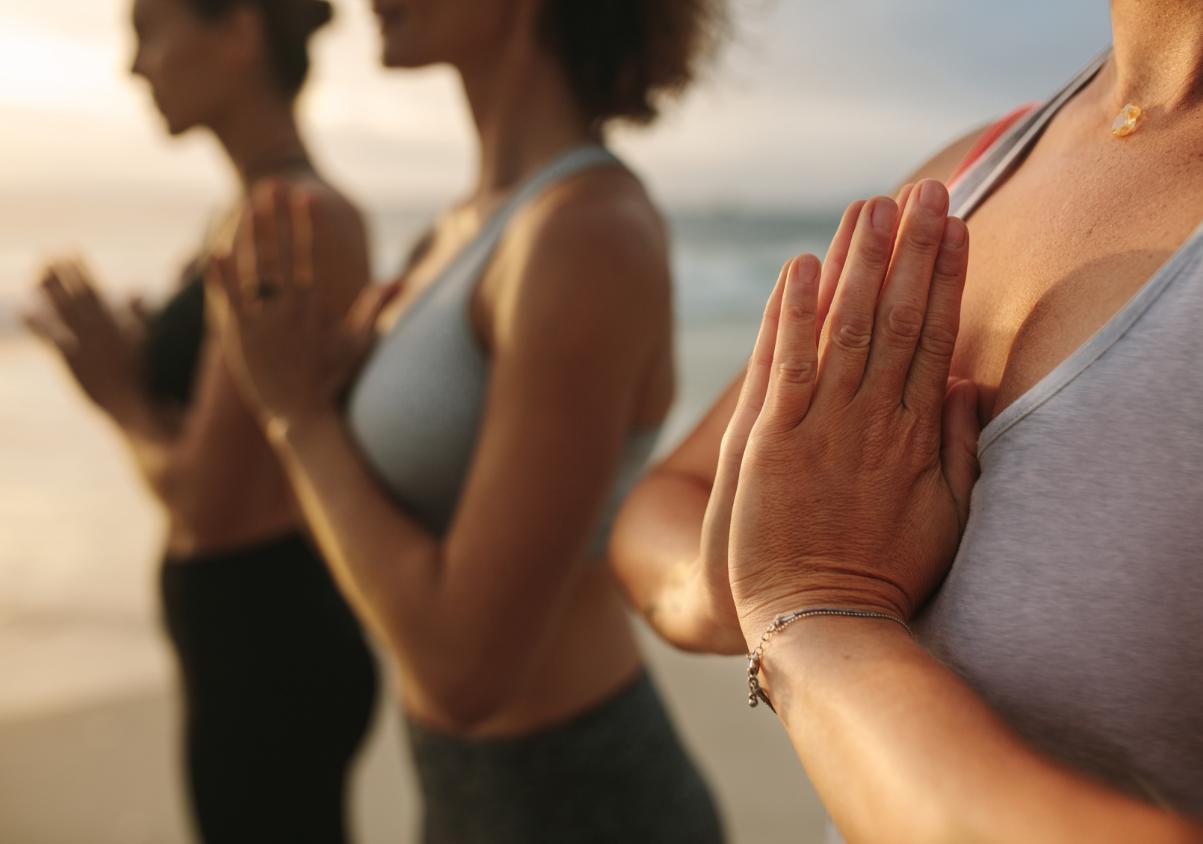
Yoga is one activity that can bring several of these elements together. Some yoga postures can be used to work on flexibility and joint mobility.
That does not mean yoga is essential. Walking, swimming, strength training, cycling, Pilates or simply adding more movement to everyday life can offer similar benefits depending on the person.
Feeling stiff does not mean you should avoid exercise
Long hours at a computer or behind the wheel can leave certain parts of the body feeling tighter.
The hips, back, neck and shoulders are especially likely to feel the effects of maintaining the same position for long periods.
One important point is that you do not need to be naturally flexible to start working on mobility.
Exercises can be gradually adapted to each person’s current range of movement. The same applies to activities such as yoga or Pilates: beginners can start at a basic level without needing to perform difficult poses.
Anyone experiencing persistent pain, a previous injury or significant physical limitations should seek advice from a healthcare professional before starting a new exercise routine.
Milder weather can work in your favour
In many parts of Spain, particularly Mediterranean and southern areas, autumn has another advantage: temperatures are often much more comfortable than during the height of summer.
That can make outdoor activities easier at times of day when exercise may have felt less appealing in July or August.
Walking, exercising, doing mobility work or training outdoors can therefore become a simple way to combine physical activity with natural daylight.
Spain’s Ministry of Health also includes increasing outdoor activity among its recommendations for becoming more physically active in everyday life.
Five simple habits for the change of season
There is no need for a detox programme or a radical lifestyle overhaul to adapt your routine to autumn.
A few simple changes can be enough:
- keep your sleep schedule as regular as possible;
- make the most of natural daylight;
- break up long periods of sitting;
- stay physically active on a regular basis;
- combine cardiovascular or strength training with mobility and flexibility work.
The World Health Organization stresses that any amount of physical activity is better than none, and that gradually increasing daily movement brings health benefits.
The key is therefore not so much to “reset” the body, but to adapt your habits to a new routine.
Autumn as a chance to review your habits
The change of season can be a useful reminder to check in on how you feel after summer.
Are you getting enough sleep? Are you sitting for too many hours? Are you still moving regularly? Does your exercise routine still feel realistic?
These questions can be more useful than trying to maintain exactly the same habits all year round.
Autumn does not require a complete lifestyle change, but it can offer a good opportunity to build more sustainable routines before the months with fewer daylight hours arrive.

Latest news