Where Málaga’s Young Adult Population Is Growing: From Inland Towns to the Costa del Sol
Benalmádena, Alhaurín de la Torre and Coín are among the municipalities around Málaga that recorded the largest increases in residents aged 20 to 34 between 2019 and 2025. Cheaper housing may be part of the picture in some towns, but it does not explain every case.

Coín and Alhaurín de la Torre Stand Out Inland
The number of residents aged 20 to 34 rose in several municipalities in the Málaga metropolitan area between 2019 and 2025. Coín recorded an increase of 643 people, or 16.8%. Its median monthly rent in 2024 was €500, compared with €718 in Málaga city.
Alhaurín de la Torre gained 720 residents in the same age group. Its median rent was €89 a month lower than in the city. Buying was also less expensive according to the assessed property value for the final quarter of 2025: €2,642 per square metre, 17.8% below the Málaga figure.
Alhaurín el Grande, Cártama and Pizarra also combined growth in their young adult populations with lower rents than the provincial capital. In Pizarra, the number of residents aged 20 to 34 rose by 15.3%.
Benalmádena Complicates the Housing Cost Picture
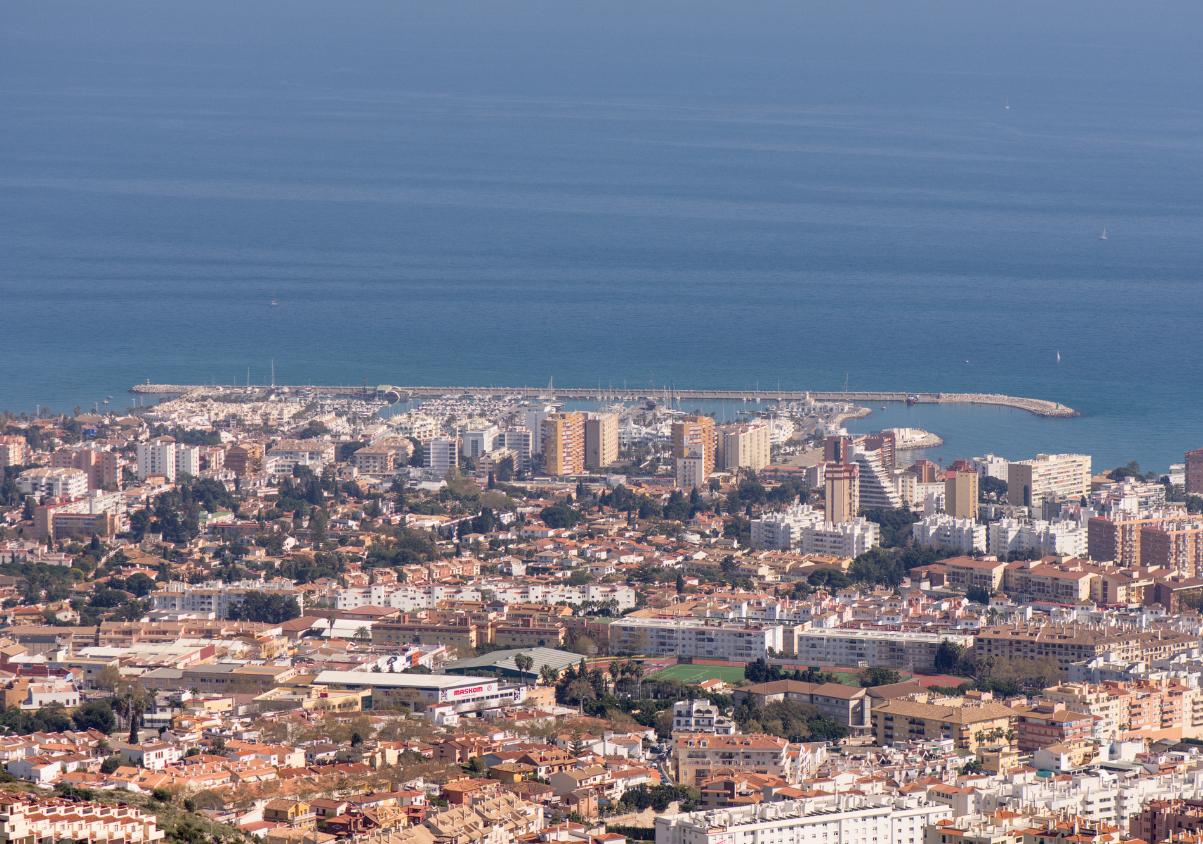
Benalmádena recorded the largest increase in absolute numbers among the Málaga area municipalities analysed. Its population aged 20 to 34 rose from 11,000 in 2019 to 12,149 in 2025, an increase of 1,149 people or 10.4%.
Housing, however, was not cheaper by every measure. Median rent was €695 a month, just €23 below the Málaga city figure, while the assessed value of property for purchase was 7.8% higher.
Rincón de la Victoria gained 688 residents in the same age group. Its rent was slightly lower than in Málaga, but its assessed purchase value was 4.9% higher. In Torremolinos, that value was around 10% above the city’s figure.
Growth in the Costa del Sol’s young adult population, therefore, does not always coincide with more affordable housing.
What the Figures Can—and Cannot—Show
The comparison brings together changes in the number of residents aged 20 to 34 from 2019 to 2025, median rents for 2024 and assessed property values for the final quarter of 2025.
An increase in the age group does not necessarily represent the number of young people who moved to a town. The figure also changes as residents enter or leave that age bracket. It cannot establish why anyone chose a particular place to live.
The housing figures describe specific periods rather than the current asking price of every available home. Within those limits, they reveal two patterns around Málaga: inland towns where young adult populations grew alongside lower housing costs, and coastal municipalities where growth continued despite higher purchase values.

Latest news




Similar News

Málaga hotels record fewer tourists in August as domestic demand falls, although 2026 remains positive overall
Costa del Sol

School and university transport in Marbella 2026/2027: final lists, requirements and what to do if you still need a place
Costa del Sol

Málaga Airport Expansion Plans Larger Terminal and Capacity for 36 Million Passengers
Costa del Sol