Three Málaga restaurants to rediscover spoon dishes this autumn: gazpachuelo, stews and plenty of tradition
As the first signs of autumn arrive, Málaga cuisine brings back one of its greatest comforts: hearty spoon dishes. Araboka, Bar Nerva and Kaleja represent three very different ways of keeping traditional stews alive, from a classic neighbourhood bar to a Michelin-starred restaurant.

The calendar says autumn, and even if Málaga is still reluctant to say goodbye to the heat, casseroles and slow-cooked dishes are gradually returning to the spotlight. Gazpachuelo, berzas, chickpea stews, tripe and other warming recipes start to become especially appealing as temperatures begin to fall.
The tradition of Málaga spoon dishes is deeply rooted in a cuisine where home-style recipes, seasonal ingredients and long cooking times still matter. And in Málaga city, there are restaurants that not only keep these dishes alive, but make them an essential part of their identity.
From traditional food paired with an extensive wine selection to a neighbourhood bar with almost four decades of history and a Michelin-starred restaurant built around culinary memory, these are three places in Málaga where you can rediscover the pleasure of spoon dishes this autumn.
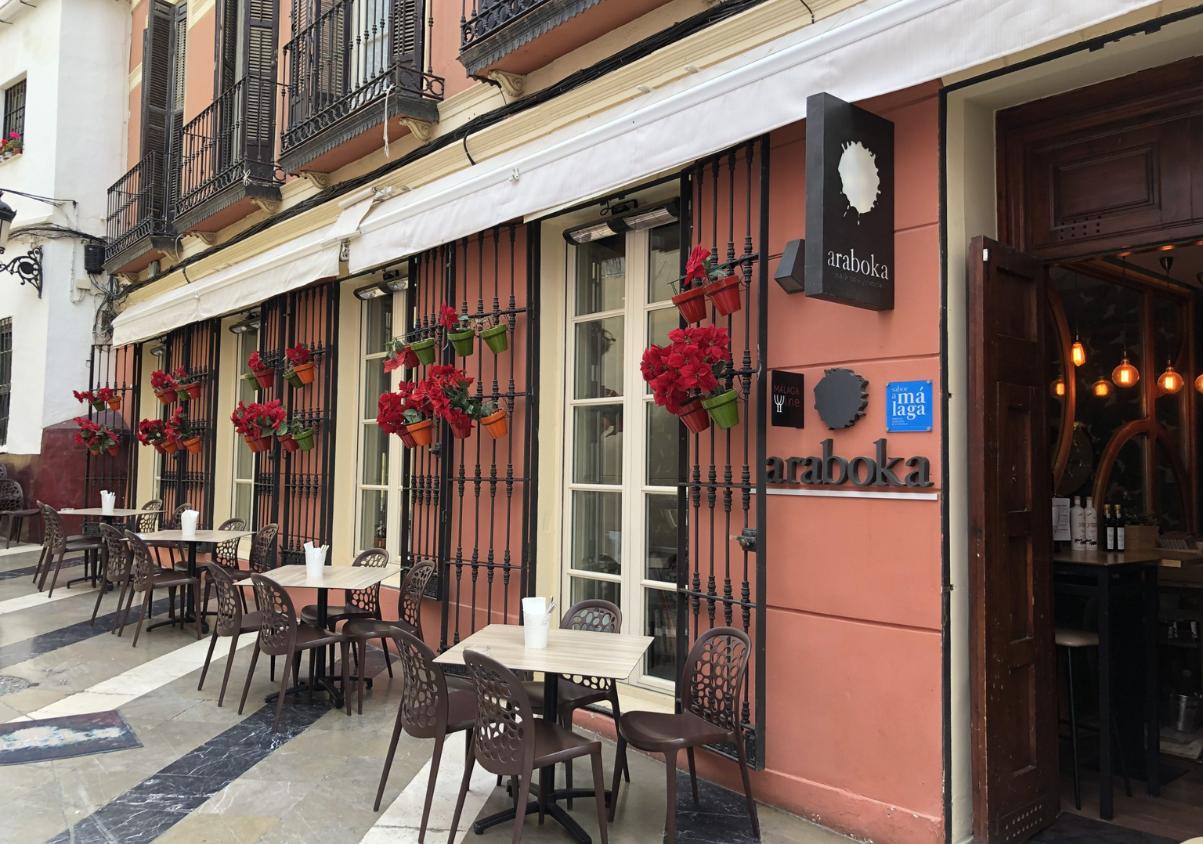
Araboka: heritage cooking, wine and seasonal stews
Close to Málaga Cathedral, Araboka Centro, on Calle Pedro de Toledo, has built much of its culinary identity around what it calls “heritage cuisine”.
The concept focuses on recovering recognisable traditional recipes, using local and seasonal produce while applying contemporary techniques.
That also means not every dish is available throughout the year. Araboka explains that its menu changes approximately every three months, with new suggestions added depending on what is available at the market.
Spoon dishes become particularly important when the colder months arrive. Over different seasons, the restaurant has served recipes such as Málaga-style berza, chickpea tripe stew, noodle casseroles, chickpeas with cuttlefish, large white beans and seasonal vegetable stews.
Another dish closely linked to local tradition is Málaga gazpachuelo, which has also appeared on the restaurant’s menus.
Wine completes the experience. Araboka places strong emphasis on pairings, with labels from Málaga, elsewhere in Spain and international producers.
The group also operates Araboka Plaza, near Plaza San Juan de la Cruz, where it maintains the same focus on traditional cooking and market produce.
It is therefore an interesting choice for anyone looking for traditional Málaga food in the city centre with a more contemporary restaurant experience.
Bar Nerva: traditional comfort food in the Victoria neighbourhood
To discover a more everyday side of Málaga stews, it is worth heading slightly away from the most tourist-heavy streets towards the Victoria neighbourhood.
At number 55 on Cristo de la Epidemia is Bar Nerva, one of those long-standing establishments that has managed to evolve without abandoning the recipes that shaped its identity.
The restaurant defines its approach around three key ideas: local produce, traditional cuisine and slow-cooked stews. Its menu follows the seasons and changes according to what the market offers.
As temperatures drop, spoon dishes take on even more importance.
Recipes that have appeared in its kitchen over the years include chickpea tripe stew, picadillo soup, Olla de la Era and Viña AB soup, alongside other seasonal stews.
The atmosphere is very different from a tasting-menu restaurant. Here, the appeal lies precisely in rediscovering the feel of a traditional Málaga neighbourhood bar, with breakfasts, tapas, aperitifs and home-style cooking.
Nerva has been operating since 1986, when Agustín Fernández opened the business, later continued by his son Joaquín Fernández.
The restaurant has also been recognised with a Solete by the Repsol Guide, which highlights its character as a classic bar in the Victoria district and its long-standing local appeal.
For those looking to discover a more local side of Málaga’s food scene, it is a good excuse to head to Victoria when soups, stews and hot dishes start sounding especially tempting.
Kaleja: when traditional stews meet fine dining
The third stop shows just how far spoon dishes can evolve without losing their roots.
Kaleja, led by chef Dani Carnero, holds one Michelin star in the 2026 selection.
But behind the recognition and technical precision lies a surprisingly simple idea: cooking with fire, time and memory.
Its current proposal most directly linked to this philosophy is called “Guisa que te guisa”, a phrase that perfectly sums up its approach.
The restaurant describes it as an experience centred on fire, stews and memory-driven cuisine, with dishes changing according to season and available produce.
That last point matters. At Kaleja, it is not advisable to arrive expecting one specific stew, because the menu evolves depending on the market.
Dani Carnero’s cooking starts from flavours and sensations linked to the past, using contemporary techniques without turning tradition into something static.
That is why Kaleja represents the most gastronomic version of this route: here, spoon dishes are not simply everyday comfort food, but a source of inspiration for a fine-dining experience.
The restaurant is currently located at Calle Marquesa de Moya, 5, in Málaga’s historic centre.
Three very different ways of understanding the same cuisine
What makes these three restaurants interesting is precisely that they do not compete to offer the same experience.
Araboka brings traditional recipes into a restaurant setting where wine and seasonal produce play a major role.
Bar Nerva keeps alive the feel of a classic Málaga neighbourhood bar, where stews naturally return when the weather cools down.
And Kaleja takes that same culinary memory into a more creative and refined setting, proving that a stew can also be the starting point for Michelin-starred cuisine.
Three very different price points, atmospheres and styles of cooking, but with one idea in common: traditional stews still have a lot to say in Málaga’s food scene.
Gazpachuelo, berzas and stews: a cuisine made for autumn
Autumn is also a particularly good time to discover recipes that are not always as easy to find during the hottest months.
Málaga has a rich repertoire of warming dishes, from gazpachuelo to berzas, noodle casseroles and legume-based stews with seasonal vegetables.
Many restaurants adjust their menus depending on the season, so the dish available may change from one week to the next.
That is part of the appeal: ask for the stew of the day and let the market decide what arrives at the table.
For visitors coming to Málaga over the next few months, it is another way to discover the city beyond fried fish, espetos and seaside terraces.

Latest news


Similar News
The former La Alvaroteca premises in Málaga has a new gastronomic tenant
Málaga
Four Málaga Restaurants Named Among Spain’s Best Terraces in 2026
Málaga
Casa Juan, the Málaga restaurant where coeliacs can enjoy gluten-free fried fish
Málaga