Four Andalusian beaches with turquoise waters that look straight out of a postcard
From Cabo de Gata to Nerja, southern Spain is home to beaches and hidden coves where crystal-clear water, remarkable seabeds and natural landscapes make travelling thousands of kilometres for a spectacular swim feel unnecessary.
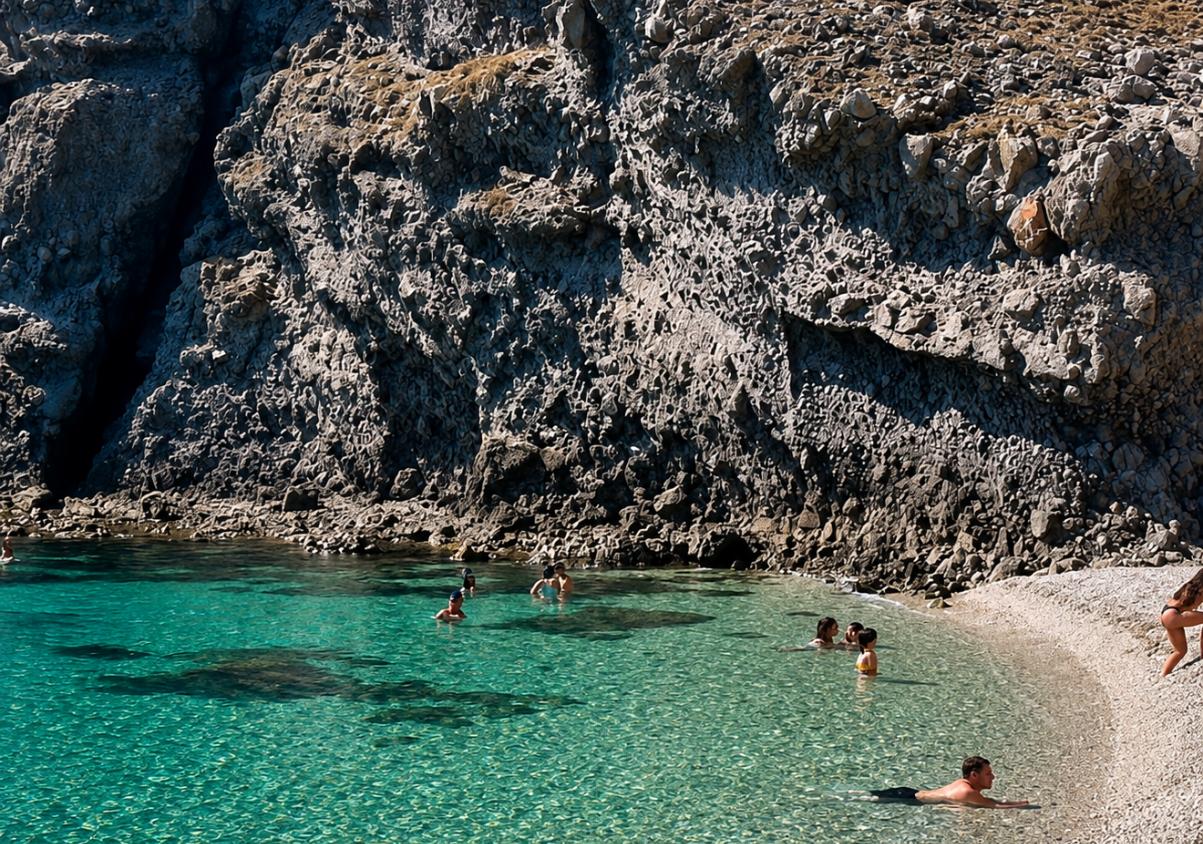

When people think of turquoise, crystal-clear waters, destinations such as the Maldives, the Caribbean or remote Mediterranean islands often come to mind. Yet Andalusia has several coastal spots capable of offering surprisingly similar scenery without leaving southern Spain.
Across Almería, Granada, Cádiz and Málaga, there are beaches surrounded by cliffs, mountains and protected natural areas where the colour and clarity of the water are among their biggest attractions. Some require a short walk to reach, while others are particularly popular for snorkelling, diving or kayaking.
Playa de los Muertos, the intense blue of Cabo de Gata
In Carboneras, Almería, Playa de los Muertos is one of the most iconic beaches in the Cabo de Gata-Níjar Natural Park.
It stretches for more than a kilometre and combines transparent blue water with a largely undeveloped landscape. The shore is made up of small pebbles that become finer closer to the water.
Getting there is part of the experience. From the parking area near the AL-5106 road, visitors must complete the final section on foot along a steep path.
Extra caution is necessary when swimming, as the seabed can deepen quickly and currents may become dangerous when sea conditions are poor.
La Rijana, a small Granada cove made for snorkelling
Much smaller but equally striking is La Rijana, located in Gualchos-Castell de Ferro on Granada’s Costa Tropical.
The cove is around 250 metres long and approximately 20 metres wide, surrounded by rugged terrain and overlooked by a historic watchtower. A large rocky formation extending into the Mediterranean adds to its distinctive scenery.
Its clear waters and marine environment have also made La Rijana popular with visitors interested in snorkelling and diving.
The beach lies close to the N-340 road, although the final approach is on foot. Private vehicles must remain in the parking area near the main road, as access down to the cove is restricted.
Los Alemanes, a Cádiz beach between dunes and mountains
Further west lies Playa de los Alemanes, within the municipality of Tarifa and close to Zahara de los Atunes.
The beach extends for around 1.3 kilometres between Cabo de Plata and Punta de Gracia, combining sand, blue water, dunes and Mediterranean vegetation.
One of the most recognisable features of the landscape is the Camarinal Lighthouse, standing on the elevated terrain above the beach.
Unlike some of Cádiz’s larger and busier beaches, Los Alemanes retains a more natural and secluded feel, partly because of its location. It is reached from the Atlanterra area along the road climbing towards the surrounding hills.
On calm days, its clear water also shows that Cádiz is about much more than vast Atlantic beaches.
Maro Beach, crystal-clear water beneath Nerja’s cliffs
The final stop takes us to Málaga province.
Maro Beach, in Nerja, lies within the spectacular Maro-Cerro Gordo Cliffs protected area and combines several of the features that have made this stretch of coastline one of the most photographed in eastern Málaga.
The beach is around 500 metres long and sits beneath dramatic cliffs and vegetation that continue into the surrounding marine environment.
Its clear water and rocky seabed make it particularly popular for snorkelling, kayaking and paddleboarding.
During summer 2026, Nerja also operates a shuttle bus to Maro Beach, running daily until 15 September from 10am to 8.30pm. The return ticket costs €3 and is designed to reduce private vehicle traffic in this environmentally sensitive area.
Four very different ways to enjoy the Andalusian coast
All four beaches can offer spectacular shades of blue and turquoise, but each has its own personality.
Los Muertos stands out for the volcanic scenery of Cabo de Gata; La Rijana for its intimate size and marine environment; Los Alemanes for its combination of sea, dunes and mountains; and Maro for its dramatic setting beneath some of Málaga’s most impressive cliffs.
They also share something else: visitors should always check sea conditions, access arrangements and any temporary restrictions, particularly during the busiest summer months.
There is no need to cross half the world to find transparent waters and postcard-worthy scenery. Within a few hundred kilometres, Andalusia offers everything from the volcanic coastline of Almería to the dramatic cliffs of Málaga, passing some of southern Spain’s most beautiful beaches along the way.
Practical information and official details can be checked through the Junta de Andalucía for Playa de los Muertos, the Granada Provincial Tourism Board for La Rijana, the Cádiz Provincial Tourism Board for Los Alemanes and Nerja Town Hall for Maro Beach.

Latest news

Upcoming events
17
Sep
La Pequeña Cuba Gastro-Cultural Festival in San Pedro Alcántara 2026
18
Sep
World Wellness Weekend Marbella 2026
18
Sep
Candlelight: Queen vs. ABBA in Málaga
18
Sep
Candlelight: Coldplay and Imagine Dragons in Málaga
18
Sep
3 de Corazones – Pancho Céspedes, Enrique Ramil and José Luis Jaén in Málaga
Similar News
Málaga sea temperature drops from almost 29°C to 15.6°C in just one week: what caused the sudden change?
Málaga
Pedregalejo, the Málaga beach where the sea feels like a natural swimming pool
Málaga
Málaga sea temperature nears 29°C: water reaches exceptional levels during the August heat
Málaga