Málaga sea temperature nears 29°C: water reaches exceptional levels during the August heat
A buoy in the Port of Málaga has recorded 28.8°C, just three tenths below the historical maximum set in 2015. Persistent easterly winds and heat accumulation at the surface are behind temperatures far above the seasonal average.
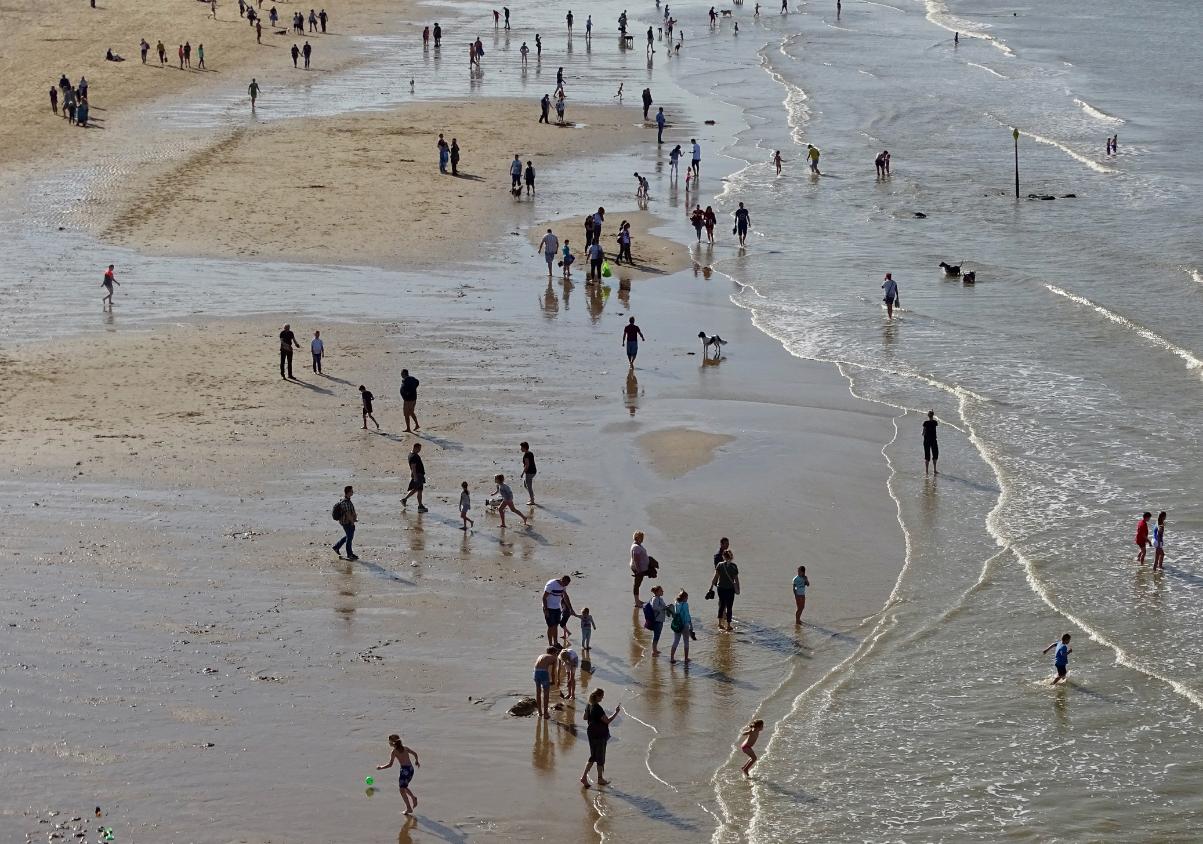

Going for a swim in Málaga this week feels noticeably different from what many people normally expect from the Mediterranean. Sea temperatures have reached 28.8°C off Málaga, an exceptionally high figure that places the coast very close to its historical record.
The reading was recorded on Tuesday 18 August by the buoy located near the Port of Málaga and reflects the intense warming currently affecting the Mediterranean during this part of the summer.
The figure is particularly striking because it is only 0.3°C below the record of 29.1°C measured on 7 August 2015.
Spain’s State Meteorological Agency, Aemet, has warned that sea temperatures across the Mediterranean are currently well above normal for the time of year.
What is the normal sea temperature in Málaga in August?
August is naturally one of the warmest months for the Mediterranean, but the latest readings are still significantly above typical levels.
Sea temperatures around Málaga generally sit at around 24°C to 25°C in August. A reading of 28.8°C therefore puts the water roughly four degrees above normal values.
For anyone visiting the beaches of Málaga and the Costa del Sol this week, the difference can be easy to notice. The sea feels considerably warmer and there is much less contrast between the temperature of the air and the water.
Málaga comes within 0.3°C of its historical record
This week’s figure is exceptionally close to the highest temperature previously recorded in the area.
On 7 August 2015, the sea reached 29.1°C, a level that remains the benchmark for Málaga.
The latest reading of 28.8°C therefore places summer 2026 among the warmest periods recorded in local waters.
It is not, however, an isolated event. Recent summers have repeatedly produced very high sea temperatures along the Málaga coastline.
In August 2022, temperatures reached 28.4°C; in 2023, they climbed to 27.9°C; in 2024, readings of 28.3°C were recorded; and in 2025, temperatures approached 27.6°C.
The pattern of recent years shows that sea temperatures around or above 28°C are becoming increasingly common during the hottest part of summer.
Why is the sea so warm in Málaga?
Alongside the high summer temperatures, wind direction plays an important role in explaining what is happening along the coast.
Recent days have been dominated by easterly winds, known locally as Levante.
These conditions can help keep the warmest surface layer of seawater close to the coastline. That layer is heated directly by solar radiation and can become increasingly warm when it remains in place for several consecutive days.
The result is the exceptionally warm Mediterranean currently being experienced along the Málaga coast.
Westerly winds could quickly cool the water
One of the peculiarities of the Costa del Sol is that sea temperatures can change considerably in a relatively short period of time.
The main reason is the Poniente, or westerly wind, which can produce the opposite effect to Levante.
When strong enough, westerly winds push the warm surface layer offshore. This allows colder water from deeper layers to rise closer to the coast, a process known as upwelling.
As a result, the expected change in wind direction could produce a noticeable drop in sea temperatures.
The fall could be around three degrees in some areas, with the effect potentially more pronounced along the western Costa del Sol.
This means a beach approaching 29°C one day can feel significantly cooler only a short time later.
Levante and Poniente: two winds that transform Málaga’s beaches
This rapid contrast is one of the distinctive characteristics of Málaga’s coastline.
Prolonged periods of Levante generally favour warmer coastal waters, while episodes of Poniente can cause temperatures to fall sharply.
That helps explain why visitors sometimes find surprisingly cold water during the height of summer despite very high air temperatures.
This week, however, the opposite has been happening, with warm surface water remaining concentrated close to the coast.
A Mediterranean that is becoming warmer
Beyond short-term changes caused by the wind, the high readings recorded in recent summers are once again drawing attention to the warming of the Mediterranean Sea.
Higher sea temperatures have consequences that go far beyond how comfortable the water feels for swimmers.
Marine warming can affect ecosystems, change the distribution of species and alter biological and physical processes along the coastline.
A particularly warm Mediterranean can also provide additional heat and moisture to the atmosphere. This can become relevant when other atmospheric conditions favour intense storms.
Warm seawater does not by itself cause extreme weather, but it can provide additional energy when the necessary meteorological ingredients come together.
Almost 29°C during peak summer season
The exceptional reading comes during one of the busiest periods of the year on the Costa del Sol.
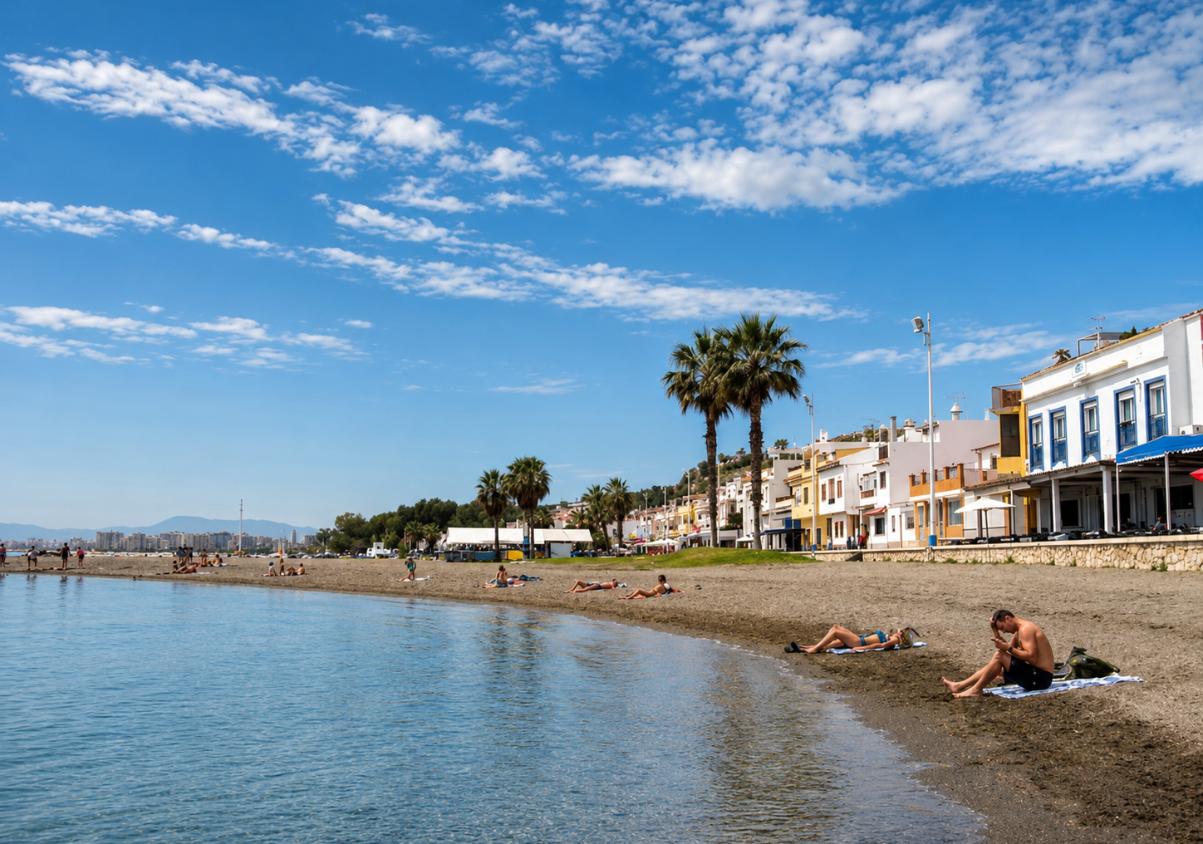
Thousands of residents and visitors are currently enjoying beaches such as La Malagueta, La Caleta, Pedregalejo, El Palo and La Misericordia, where the Mediterranean is considerably warmer than usual.
At 28.8°C, the water measured off Málaga is temporarily closer to temperatures associated with subtropical destinations than to the historical averages for this part of the Mediterranean.
However, anyone expecting the same conditions throughout the coming days may be surprised. If the Poniente strengthens, sea temperatures could fall noticeably within a relatively short period.
Live buoy readings, sea-temperature trends and other oceanographic information can be checked through PORTUS, the official marine observation and forecasting platform operated by Puertos del Estado.

Latest news




Upcoming events
17
Sep
La Pequeña Cuba Gastro-Cultural Festival in San Pedro Alcántara 2026
18
Sep
World Wellness Weekend Marbella 2026
18
Sep
Candlelight: Queen vs. ABBA in Málaga
18
Sep
Candlelight: Coldplay and Imagine Dragons in Málaga
18
Sep
3 de Corazones – Pancho Céspedes, Enrique Ramil and José Luis Jaén in Málaga
Similar News
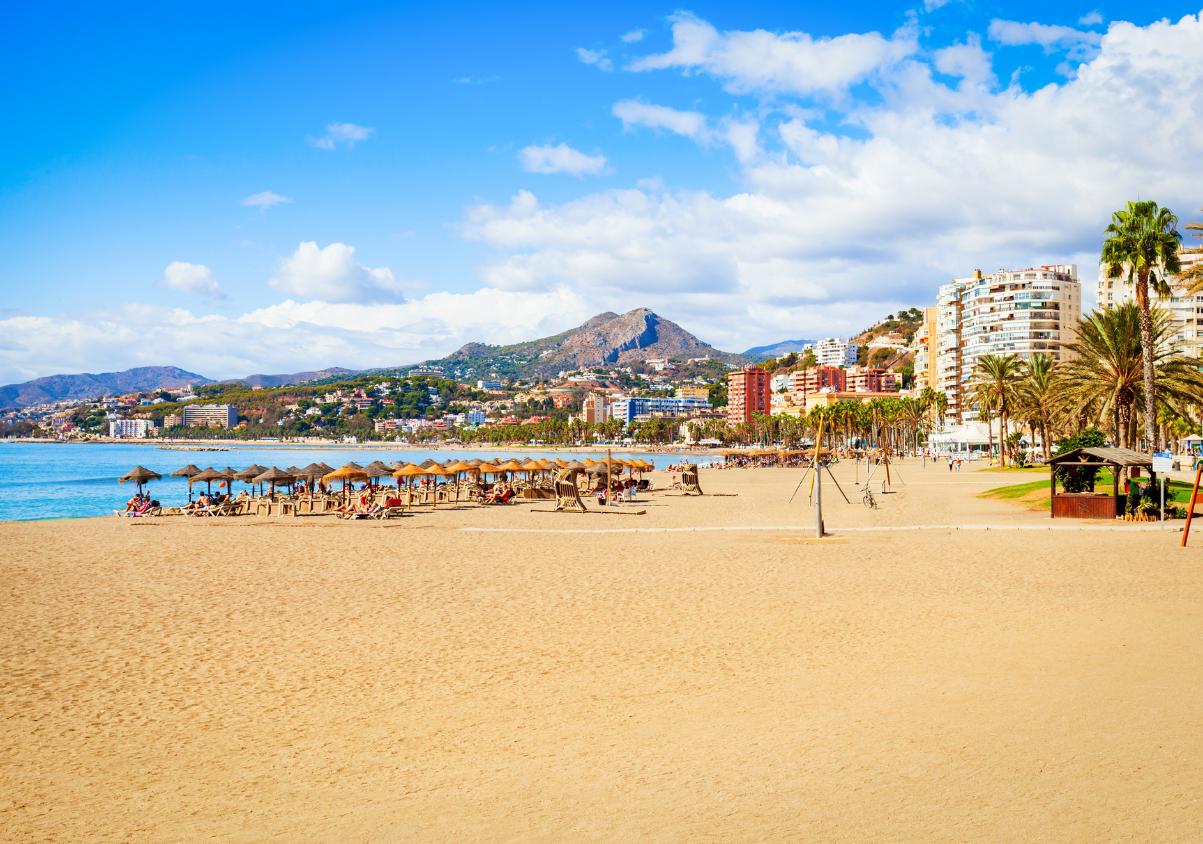
Málaga sea temperature drops from almost 29°C to 15.6°C in just one week: what caused the sudden change?
Málaga
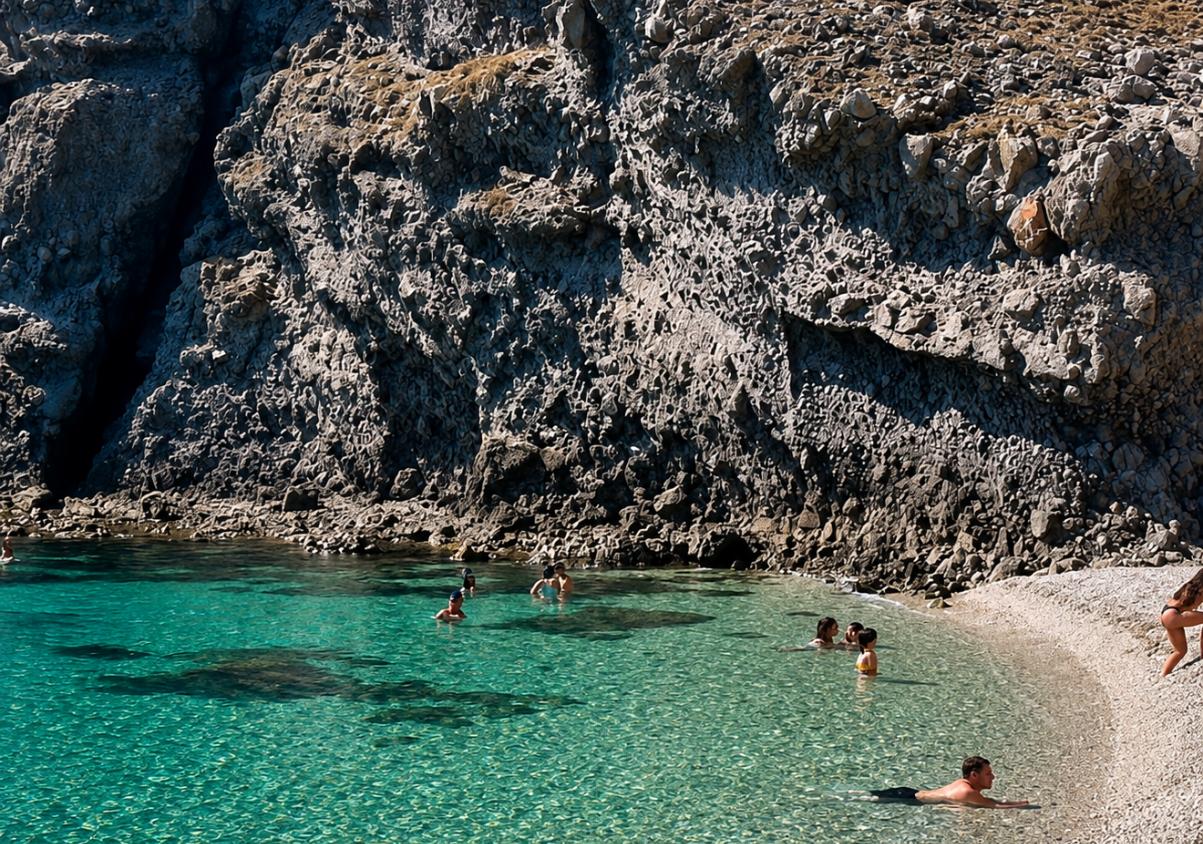
Four Andalusian beaches with turquoise waters that look straight out of a postcard
Málaga
Pedregalejo, the Málaga beach where the sea feels like a natural swimming pool
Málaga