


Kristina Szekely, the First Multilingual Real Estate Agent in Marbella
She was born in Hungary, raised in Sweden, and was the first to make her name her brand. She speaks seven languages, has had 4 offices in Marbella, and has sold in Morocco, Mexico, and the Caribbean. The waiter who served breakfast to Salvador Dalí.
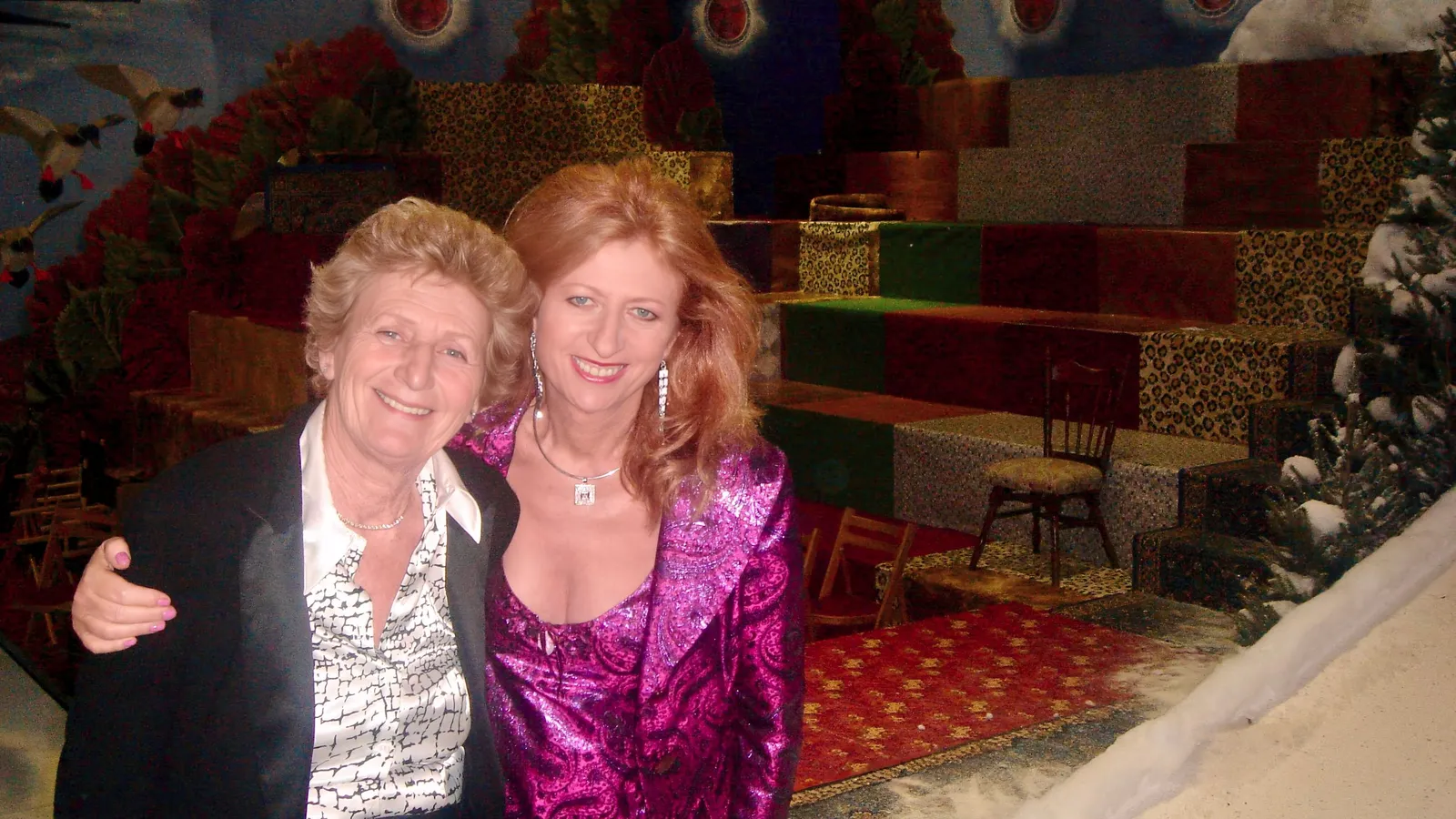

"You sell sugar by the kilo the same way you sell a hotel; aim high, it's all the same," my uncle John Fabry told me when I asked him what I need to do to be successful, recalls Kristina Szekely. He was my mother's twin brother, a very successful businessman who lived in Canada, and they had a very close relationship. When he came to Marbella, my mother made sure he had the best suite at the Don Pepe hotel, the best car, and the best stay.
I've been in Marbella for over forty years; if I tell the truth, it makes me feel old and I don't want that. Back then, there wasn't a young girl in town who spoke languages. I naturally got into real estate. "I want to buy, you live here and know the place, find me something," people would say. It seems I had a knack for business even when I was young. I always liked meeting people, socializing. Back then I spoke four languages, now I speak seven. I started speaking German, English, and French in Sweden. I knew a little Spanish and learned it in three months with my brother-in-law, just like Italian which I started speaking here. It seems I have a talent for languages. I was almost the only woman who spoke languages; back then there were two or three real estate offices, today there are 2,500. My mother and sister had come to Marbella on vacation, loved it, and stayed. My sister fell in love with a guy from Toledo and my mother, who was a physiotherapist, had a wonderful talent and got her first patients here. My father had passed away in Sweden and my mother had no ties to that country, just some in-laws. That's why they settled here. I was born in Hungary, but I spent my childhood in Sweden.
I opened an office in Puente Romano, which unfortunately did not renew my lease after five years. They started selling their apartments and an office where they marketed them. I could sell apartments at any price because I had a varied offer and they only had one, and they saw me as competition. The first thing that sold was the sun, the apartments had no quality. People didn't demand it, they wanted a place in the south of Spain and sun. Then there were developers, like those of the Don Gonzalo building, who started building quality and another level, they were more expensive than the rest of the apartments and were very successful. After 30 or 40 years, they are still the best blocks in the area.
Tourists who came from other countries, like the Arabs with bodyguards, it wasn't because this was an unsafe place. You could leave the key in the car and the next day it was still there, just like at the door of the house, there was no need for bodyguards or other measures, because security was absolute. The clients of luxury homes were the ones who demanded the alarms, not the developers. At first, there was a misunderstanding in dealing with wealthy people. Many wanted to take advantage of the Arab client's lack of knowledge and raised the prices because they considered they had more money than others. King Fahd arrived with a strong presence, the royal palace was of another level. They bought the houses around the palace, good plots or old houses on the beachfront. My French friend, Marié Claude Radziewsky, who was a lawyer, told me about an Arab client who bought two houses because he had two wives and both had to be at the same level. One of them complained that he did not attend to her in the same way as to the other. There was a trial and the one who demanded equal treatment won; one day with each wife. She was not a mistress, she was the wife. When they bought two houses, one for each, it was surprising.
A race car driver visited the house for sale of an English lady, who insisted on showing him every door. The client told her: "I don't have time, I just want to see the property." Everyone has their own pace. One summer I made a mistake, I was taking a client to La Zagaleta and there was endless traffic. It seemed very far away, when you spend a lot of time in a traffic jam like that, you don't even feel like having a house, not even in Marbella. Later I realized that I should have taken him by helicopter, I had done it other times, although it is not usual. In this case, he could have contemplated the aerial view of the development, which also has a helipad. The client left without buying.
I learned that discretion is absolutely important. Two of my clients shared the same bank, each was attended by their advisor and neither knew about the other. It bothers me when I hear people say: "this was bought by so-and-so for so many millions," it hurts that they speak so lightly. Respect, discretion, I have always strictly adhered to it. My advantage is having a hard-to-pronounce name, like the ice cream brand Häagen-Dazs, which is impossible to spell correctly. Traveling a lot has been another great advantage for me and I surely did what I saw in other countries. Like advertising my real estate agency at the airport or putting a sign on the wall of the Puerto Banús tunnel, because my office was right at the exit, it was a bit provocative. People saw my photo at the airport, found it very striking, and liked it. I have been the first in many things, like putting my name and my image, because you see a person who shows their face against another who is not identified, and you don't know who is behind it.
Marbella was very small, we met three times a day. Prince Alfonso de Hohenlohe was the axis of that local society, with the Marbella Club hotel and the Mau Mau nightclub. José Lataliste, the owner of Mau Mau celebrated the 25th anniversary of his nightclub in Buenos Aires and invited us, along with a group of friends from Madrid. He prepared the best week you can have on a trip, with a horse show and a party on a farm with local dancers. It was incredible.
Once in Puerto Banús, my car ran out of gas about ten meters from the gas station and Sean Connery pushed my car to the pump. He invited me to his house to get to know each other. It was clear his wife had no sympathy for me. He was a friend of a friend of mine.
I was invited to New York to present a house on a television show. I took a plane, stayed for five days, chose a house with a dock and an interesting story and we showed it on the program. It cost 45 million, it wasn't the number one, but it was later sold. I've sold everything. If I sell a small apartment for 200,000 euros I'm just as happy as if I sell one for 20 million. Commissions are a separate issue. In America, it's much more rigid, everything is organized, here the issue of commissions is sometimes a bit frivolous. It's not the same a house of ten million as one of 500,000, it can vary, but there are always commissions.
Prestige is important because it brings you more clients. I am one of the people who has sold the most large houses, but that has costs. The client can come from a real estate agency that is in another country. In England, I had people who did a lot of marketing, advertising, and the business was shared, with many expenses. But it sounds very good that you have sold a house of ten million euros. I'm happy, but money is not the most important motivation in this job. The motivation is each person who arrives, sometimes they are the grandchildren of clients I have had. It gives them confidence that their family has made a purchase with us.
At one point the American brand Sotheby's approached me, they had about 500 offices in America. The franchise of the brand was very expensive and I bought it for Spain. And then the crisis came. I thought that with the brand, of 500 offices, if one sent me a client I would be happy. It gave prestige, but it did not bring me clients. I had my own brand and I continue with it.
The 2008 crisis was like a tsunami. I had offices in Morocco, we sold in Mexico, the Caribbean, we picked up clients here in the morning, took them to Morocco and showed them the project. Like a shopping excursion. In Puerto Banús I had two offices, another in Marbella, and a large one in New Andalucía. Another in Sotogrande (Cádiz), as well as in all the promotions we had exclusively. I had 200 employees, now I have about twenty.
Don't ask how you recover from a fall because it's complicated, you have to put up everything you have as a guarantee. They told me that only three percent make it through. I have a positive vision and a sense of humor helps me. I only think about solving issues as they come. I'm not the person who thinks I had this or that, I keep going and try to do my best. Now we are in a danger zone, with wars that you don't know where they will come from, but I am optimistic. People, in the end, want to live well. And money moves, it doesn't end. Today one person has it and tomorrow another, and if you want to live well, Marbella is one of the best places in the world.
They keep coming after covid, from the negative comes something positive. Money is no longer just for a few, it's much more normal to have money. I think now there are many more people with money. Technology has generated a lot of money with startups in young people.
Every year I am invited to Swans school to give professional advice to 14-year-olds. To guide them about what a real estate agency is, and what its functions are. They asked me how many hours I work a week. It's at least about 60 hours, it can be more than ten per day. It's easy, you pick up the phone, start calling employees, clients, owners, lawyers, the bank. You are constantly in contact with everyone.
I have been lucky that, I don't know if it's psychology or my ethics, I don't get involved in things that could cause me problems, not today, but in a few years. People feel as if they have a wall, a protection. I try, by all means, to stay away. When I feel that something is not as it should be, I don't get involved.
It satisfies me that a client contacts me and asks for my help, it's the number one challenge. The second is when you give them information about a house and they want to see it, it boosts your morale. There are clients with whom you start an operation in 2026 and they make the purchase four years later. I have a lot of patience, tranquility, I don't need a yes today, it can be tomorrow. When the sale is made, the payment is not the most relevant thing. The joy is having made that journey. Being a good salesperson is having a passion for what you do, it's not just taking it as a job, but identifying with what the client is looking for and knowing the product well. I love what I do, that's why I'm still here. My employees, if they are close to me, learn. My style is to make friends over time. I have visited many countries, I can identify with the client and have common topics. Just reciting the square footage of the house is very boring.

Latest news


Similar News
The writer doctor from Marbella
Marbella

Lope de España, the butler who served the jet set of Marbella
Marbella
Félix Martín, the Chef Who Went from Unionist to Entrepreneur in Puerto Banús
Marbella
