


Oil Tastings Loaded with History in Ronda
Molino del Arco revives a process dating back to 1967 and will offer various olive oil tourism experiences. Wine tastings in Ronda among Christmas sweets and hands-on experiences.

Ronda currently boasts a robust wine tourism sector following the revival of wine production back in the nineties. More than twenty wineries offer a wide range of experiences that showcase the renowned wines of the Serranía.
Then came La Almazara, a project located in a building created by the internationally renowned designer, Philippe Starck, who, inspired by the wine world, decided to promote another major agricultural sector of the area, namely olive oil.
Inside, beyond the artworks created by Starck, the building itself is an artwork, offering a journey through the world of olive oil from its beginnings to the present, including the history of the City of Tajo.
Specifically, in this last section, there is a clear reference to the protagonists of this report: the first oil mill in the region for which there is written evidence, dated 1767 and known as Molino del Arco.
Owned by the Clavero family, its history dates back even further, specifically to 1485, when Diego Clavero, a captain of artillery for the Catholic King, was granted, among other properties, an estate of olive groves and vineyards located in the valley of the Guadalcobacín river.
Since then, the family has maintained the olive cultivation, and although the mill ceased to be used and today is part of the facilities of the four-star hotel into which the original Andalusian farmhouse was converted, a few years ago its owners decided to revive oil production from the olives of the estate itself.
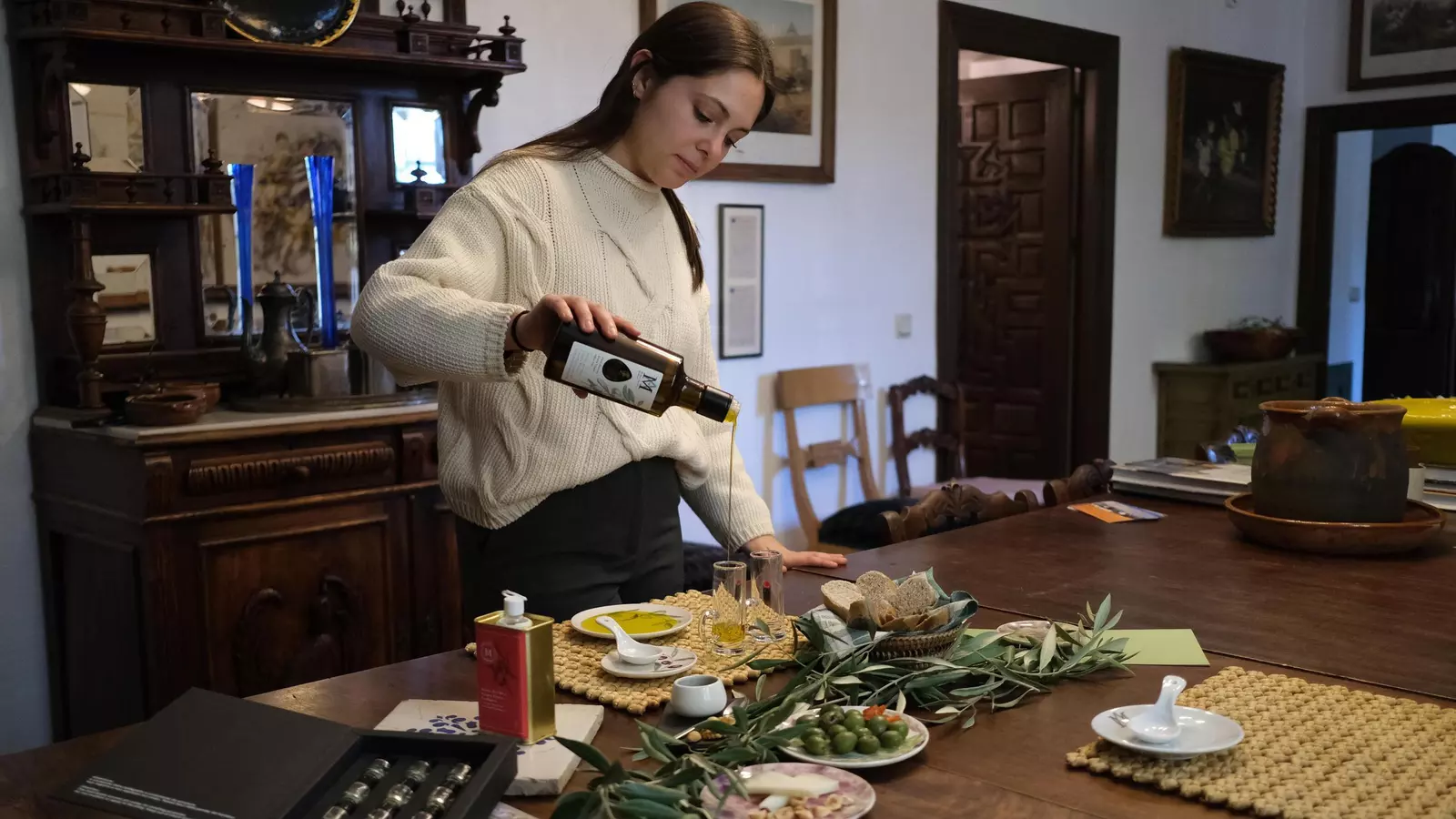
Now, after years in which production was limited to family friends and a few small sales points abroad, they have decided to commit to this sector and launch the sale of this olive oil made from hojiblanca olives, a variety not widely found in the area, and promote it through oil tastings. A sensory experience where one can learn to distinguish the aromas, possible flaws, and also the taste, so crucial in the so-called liquid gold.
Led by Priscila Torielli, visitors have the chance to dive firsthand into the history of Ronda's oil world, for which they have also created various experiences. All of them include tasting and sampling the oil with different products, such as black salt or tomato. "When you think of the Mill, tradition, legacy, family, and land immediately come to mind," says Torielli.
In fact, for those who want to experience a true immersion in the local terroir, there is even the possibility of eating in the middle of the estate's own olive grove. Specifically, the Old Olive tasting includes a picnic in the olive groves with a guided tasting.
Meanwhile, those wishing to combine the two agricultural worlds of the Serranía can also enjoy a tasting with pairing of oil and wines from Ronda. This is in addition to the tasting held in the old family hall within the hotel.
Tomatoes, citrus, and oil united by Véronique Gladstohe
Furthermore, the hotel's oil tourism managers are also working on creating special experiences combining tomatoes, citrus, oil, and food. For this, they plan to involve Véronique Gladstohe, an expert in the world of oil and tomatoes who runs experience clubs at some of the most prominent clubs and hotels.
A love for oil that was combined with tomatoes after meeting the French aristocrat Louis Albert de Broglie, who cultivates 750 varieties, leading her to merge both passions in her unique experiences. One such experience was created at the Marbella Club, where she designed a small garden with different tomato varieties using chestnut wood from the Serranía to form the triangles on which the tomato plants grow and rest during peak production.
"We want to create these types of experiences with our oil, which is very special in terms of its peppery flavor reminiscent of green tomato vines or artichokes, combined with different types of tomatoes and citrus," explains Fernando López Barrau, head of this project.
"Our oil is unique because it comes from hojiblanca olives, which are not widely present here, and due to the climate of Ronda, it produces an oil with more peppery flavor than usual, noticeable in the aftertaste but not at first, it is an oil with personality but not overpowering," explains López.

Latest news





Upcoming events
12
Nov
El Desembarco, la traición de Viriato at La Caja Blanca
12
Nov
HOMER El Mero Mero at Sala Trinchera Málaga
13
Nov
Marbella Startup Lab – Innovate & Collaborate
13
Nov
Candlelight: Coldplay & Imagine Dragons at Sala Fundación Unicaja María Cristina
13
Nov
Candlelight: Tribute to Ludovico Einaudi at Anantara Villa Padierna
Similar News
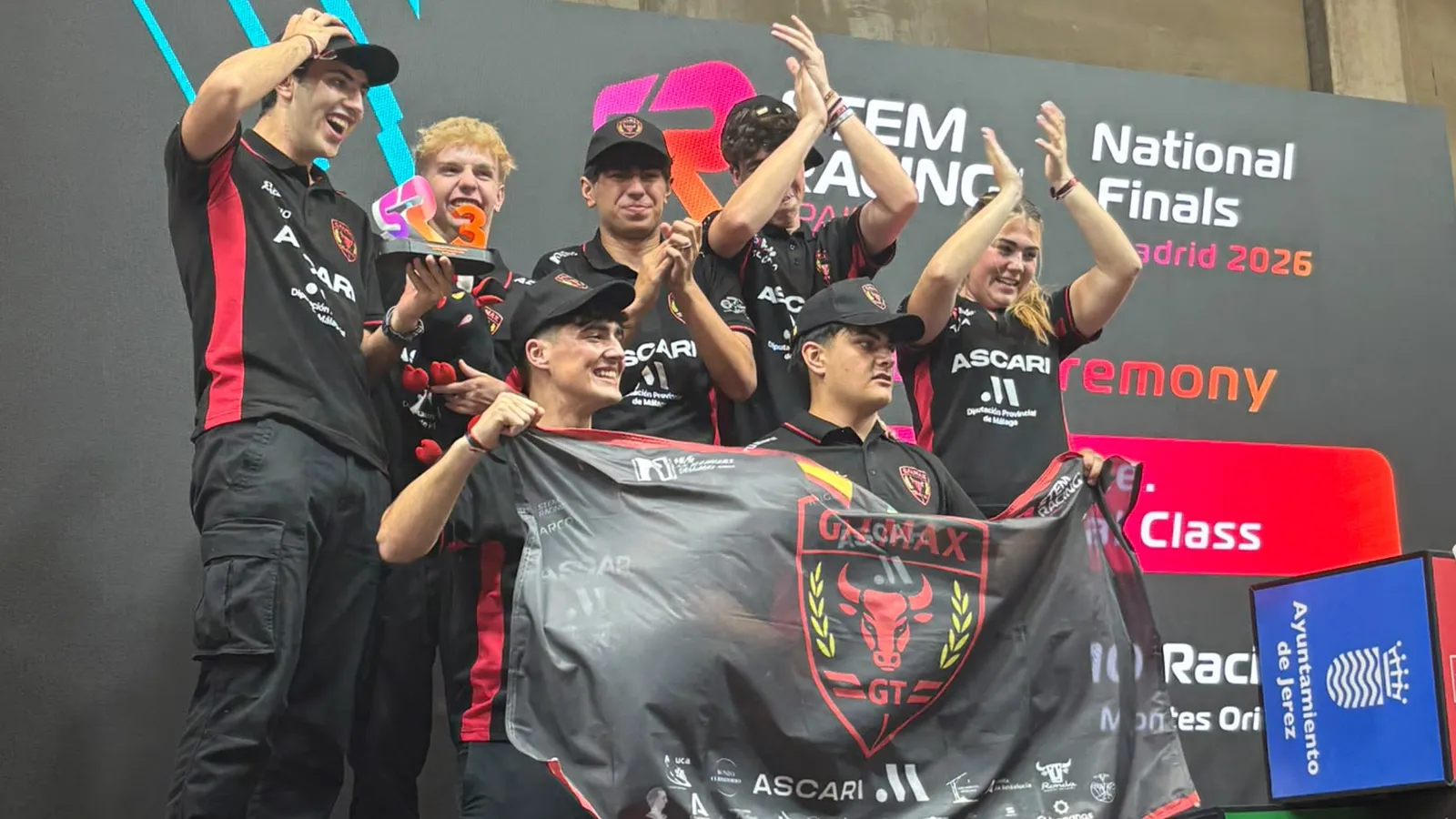
The 'Formula 1' team from Ronda qualifies for the international final of Stem Racing
Ronda
Arias launches a butter made from goat's milk cream produced in Ronda
Ronda
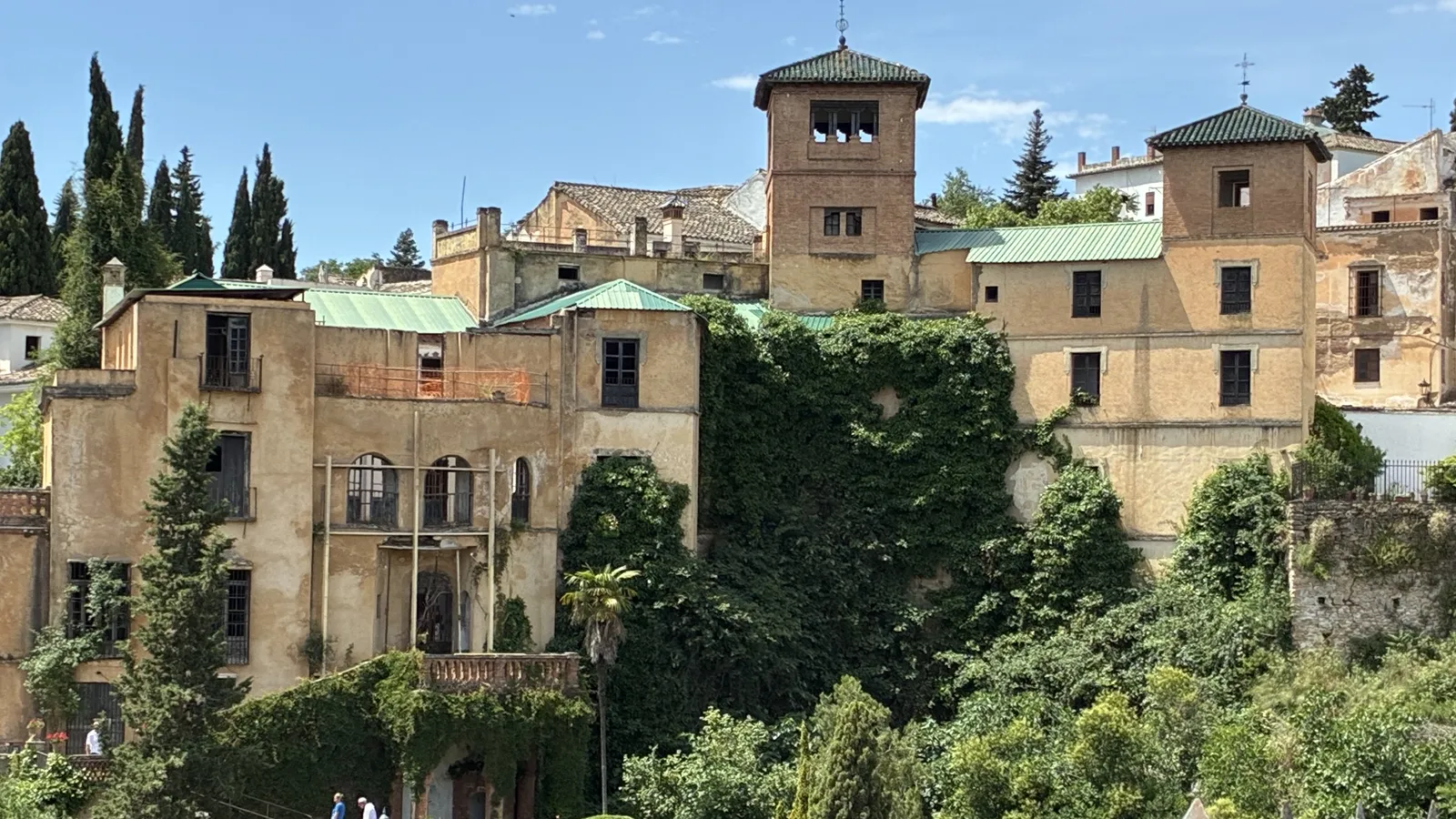
New project to rehabilitate the Casa del Rey Moro, one of the jewels of Ronda
Ronda
