


Handmade Mantecados in Ronda: All Ready for Christmas
Artisanal production aims to enhance quality by using natural ingredients, with no added flavor and no preservatives. Divine 'mantecados' for Christmas.

The large bakeries of mantecados and polvorones have been firing up their ovens for months, preparing the massive production that will be consumed by the vast majority of customers in anticipation of Christmas, a time when these sweets are one of the star attractions.
Dozens of flavors cater to all possible tastes, with a production system that uses the latest industry technology to handle the production of hundreds of thousands of kilos, and in some cases, millions of units.
On the opposite side are the small bakeries that have just started production and limit themselves to making small quantities of these traditional sweets by hand, maintaining the manual character in many parts of the process.
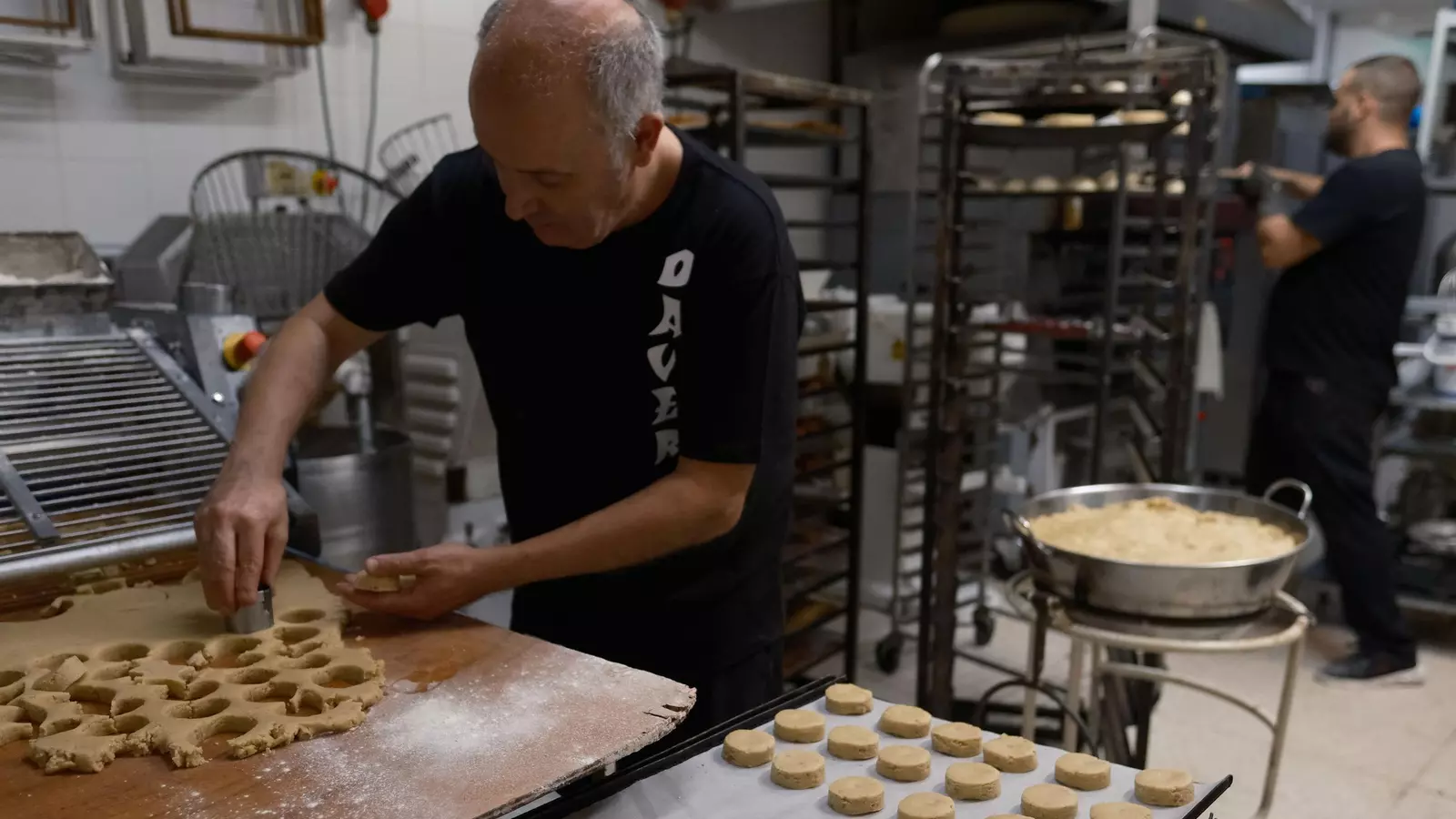
One of them is the Ronda-based Daver, which keeps alive recipes over 50 years old. For alfajores, the recipe goes back in time and reuses breadcrumbs as a thickener instead of flour and honey.
Here, in addition to the artisanal process for their production, they also remain faithful to the original flavors. "We don’t have flavored mantecados because we focus on the traditional, just as we don’t use preservatives," explains David Verdú. This approach might limit their ability to extend the season, but they are fully convinced of its benefits. "Our mantecados or polvorones last perfectly three or four months if stored properly in a cool, dry place," Verdú points out. This also requires them to knead many more small batches so that the units sold are freshly made.
As for the varieties, in the display cases of their counter, you can find mantecados of cinnamon, almond, chocolate, olive oil, polvorones, wine doughnuts, alfajores, and hojaldrinas that can be purchased individually.
Upon entering the bakery, Verdú's team is preparing the dough to make mantecados of olive oil, a choice that is gaining great acceptance and has already caught the attention of a well-known hotel on the Costa del Sol with a large number of Arab clients. In fact, they are expected to be in their rooms as a welcome gift and at breakfasts soon.
However, the work has to start the day before to dry the flour in the oven and remove the moisture, a process that requires turning it every 20 minutes to prevent it from burning.
Once the main ingredient is ready, it is combined with pork lard and the rest of the natural ingredients to create the dough that, before being rolled out, receives a final manual touch to find its right consistency. It is at this point that they use small rings of different sizes to also manually cut the dozens of portions that will become mantecados. They are also manually placed on trays to be put in the oven after being brushed with egg or sprinkled with small handfuls in the case of the almond variety. "It's a painstaking job," says Antonio, one of the bakery managers.
After a brief rest from the oven until the baking is complete, although keeping an eye on them at all times, another no less slow process follows. Each unit is manually wrapped and ready for sale. Also, for those covered with powdered sugar, it is also manually applied. However, the units to be wrapped will be those from the previous day, as they require a 24-hour rest to cool naturally.
"We need three days to make a small production of about twenty kilos, but we feel very satisfied to provide a product of first quality, artisanal and totally natural," says Verdú.
Tourists are major consumers of these mantecados.
Moreover, Verdú also maintains that "by not using flavorings, we have to work in a way that enhances the flavor naturally, for example, in the almond ones we grind part of the almond to create a flour that we incorporate directly and that enhances the flavor significantly, besides the crunchiness provided by the small pieces we add," highlights Verdú.
A work system that means the annual production is about 400 kilos, since these mantecados, polvorones, alfajores, or wine doughnuts are only available during the Christmas season.
On the other hand, to purchase them, you can only do so in their own store or on the website. Among the customers are regular Japanese tourists, as its fame has reached the land of the rising sun.

Latest news





Upcoming events
12
Nov
El Desembarco, la traición de Viriato at La Caja Blanca
12
Nov
HOMER El Mero Mero at Sala Trinchera Málaga
13
Nov
Marbella Startup Lab – Innovate & Collaborate
13
Nov
Candlelight: Coldplay & Imagine Dragons at Sala Fundación Unicaja María Cristina
13
Nov
Candlelight: Tribute to Ludovico Einaudi at Anantara Villa Padierna
Similar News

The 'Formula 1' team from Ronda qualifies for the international final of Stem Racing
Ronda
Arias launches a butter made from goat's milk cream produced in Ronda
Ronda
New project to rehabilitate the Casa del Rey Moro, one of the jewels of Ronda
Ronda
