


The caves of Rincón de la Victoria, epicenter of international research on prehistoric cave art
A team from the Bradshaw Foundation visits the caves to learn about the latest advances in archaeological research. They demonstrate that the caves in Rincón de la Victoria were used for more than 36,000 years.


Rincón de la Victoria/Las Cuevas de la Victoria and the Treasure of Rincón de la Victoria received a visit this Monday from a team from the prestigious Bradshaw Foundation, an international entity dedicated to the documentation and preservation of prehistoric art worldwide. This implies that these archaeological sites continue to arouse great interest in the scientific community, establishing themselves as benchmarks in the study of Paleolithic rock art.
The mayor of Rincón de la Victoria, Francisco Salado, highlighted the importance of this heritage: “Rincón de la Victoria is in itself a historical legacy, and the Cuevas de El Cantal are a living example of this. Their relevance continues to attract the attention of the scientific community, becoming protagonists not only in the tourist field but also in the academic and archaeological research areas.”
The expedition, organized by British professor George Nash, who previously visited the Cueva de la Victoria with the National Geographic team in 2023, allowed these specialists to firsthand learn about the advances in investigations on Paleolithic rock art in the municipality.
The team of experts, associated with renowned institutions such as the Getty Conservation Institute, UNESCO, the National Geographic Society, and the Royal Geographical Society, has worked closely with the team of researchers from Málaga coordinated by María del Mar Espejo, Luis-Efrén Fernández, José Ramos, Cristina Liñán, Yolanda del Rosal, and Pedro Cantalejo. Together, they analyzed the new graphic panels discovered, consisting of engravings and fingerprints made directly with fingers and punches on originally softer rock surfaces.
Key Discoveries on Rock Art in Rincón de la Victoria
The first evidence of these imprints was detected and published in 2007 with six panels identified. However, current research has expanded the number of analyzed walls to twenty, revealing new artistic vestiges of the region's earliest prehistoric inhabitants.
These engravings, estimated to be between 50,000 and 28,000 years old, were made in a different climatic context, with periods of higher humidity that allowed Paleolithic explorers to mark the cave walls before they hardened over time.
The discovery of these imprints adds to similar findings in other European caves, such as Altamira, El Cudón, Hornos de la Peña (Spain), Roche Cotard, Cosquer, and Rouffignac (France), or the cave of Ardales in the province of Málaga. These previous records have helped understand that these primitive representations preceded figurative art, becoming a key link in the evolution of human artistic expressions.
Future Projection of Investigations
Research in the caves of Rincón de la Victoria will continue until the summer of 2025, at which time the scientific team will evaluate the possibility of requesting an extension from the Junta de Andalucía to expand the ongoing studies.
Antonio José Martín, councilor for Tourism and Caves, highlights “the importance of these findings in promoting and disseminating the rich historical legacy of Rincón de la Victoria, as well as in its consolidation as an international benchmark in the research of prehistoric art”.
“This project, in addition to contributing to global scientific knowledge, reinforces the municipality's position as a top-level cultural and tourist destination, promoting new initiatives for the valuation and protection of local archaeological heritage,” added the councilor.

Latest news





Upcoming events
12
Nov
El Desembarco, la traición de Viriato at La Caja Blanca
12
Nov
HOMER El Mero Mero at Sala Trinchera Málaga
13
Nov
Marbella Startup Lab – Innovate & Collaborate
13
Nov
Candlelight: Coldplay & Imagine Dragons at Sala Fundación Unicaja María Cristina
13
Nov
Candlelight: Tribute to Ludovico Einaudi at Anantara Villa Padierna
Similar News
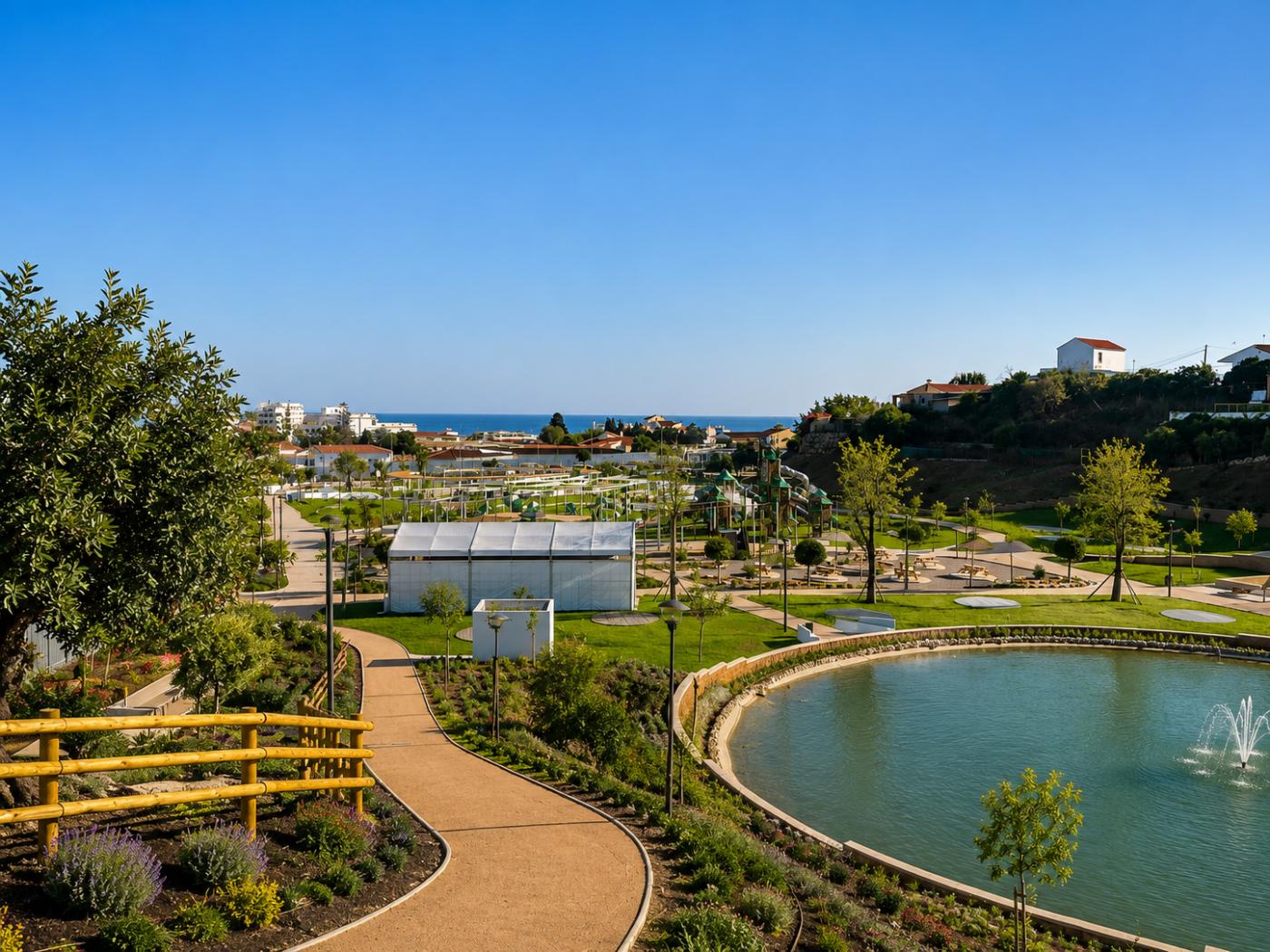
Rincón de la Victoria Opens a New Park Covering Almost 30,000 Square Metres
Rincón de la Victoria

Málaga’s Famous Sardine Skewers Drive Costa del Sol Beach Restaurants, but the Craft Faces a Shortage of Workers
Rincón de la Victoria

More Than 500 Rowers to Compete in Rincón de la Victoria’s Provincial Jábega League
Rincón de la Victoria
