Málaga’s Famous Sardine Skewers Drive Costa del Sol Beach Restaurants, but the Craft Faces a Shortage of Workers
Kiko Rodríguez, owner of Casa Kiko in Rincón de la Victoria, reflects on a family tradition that has become one of Málaga’s biggest culinary attractions.
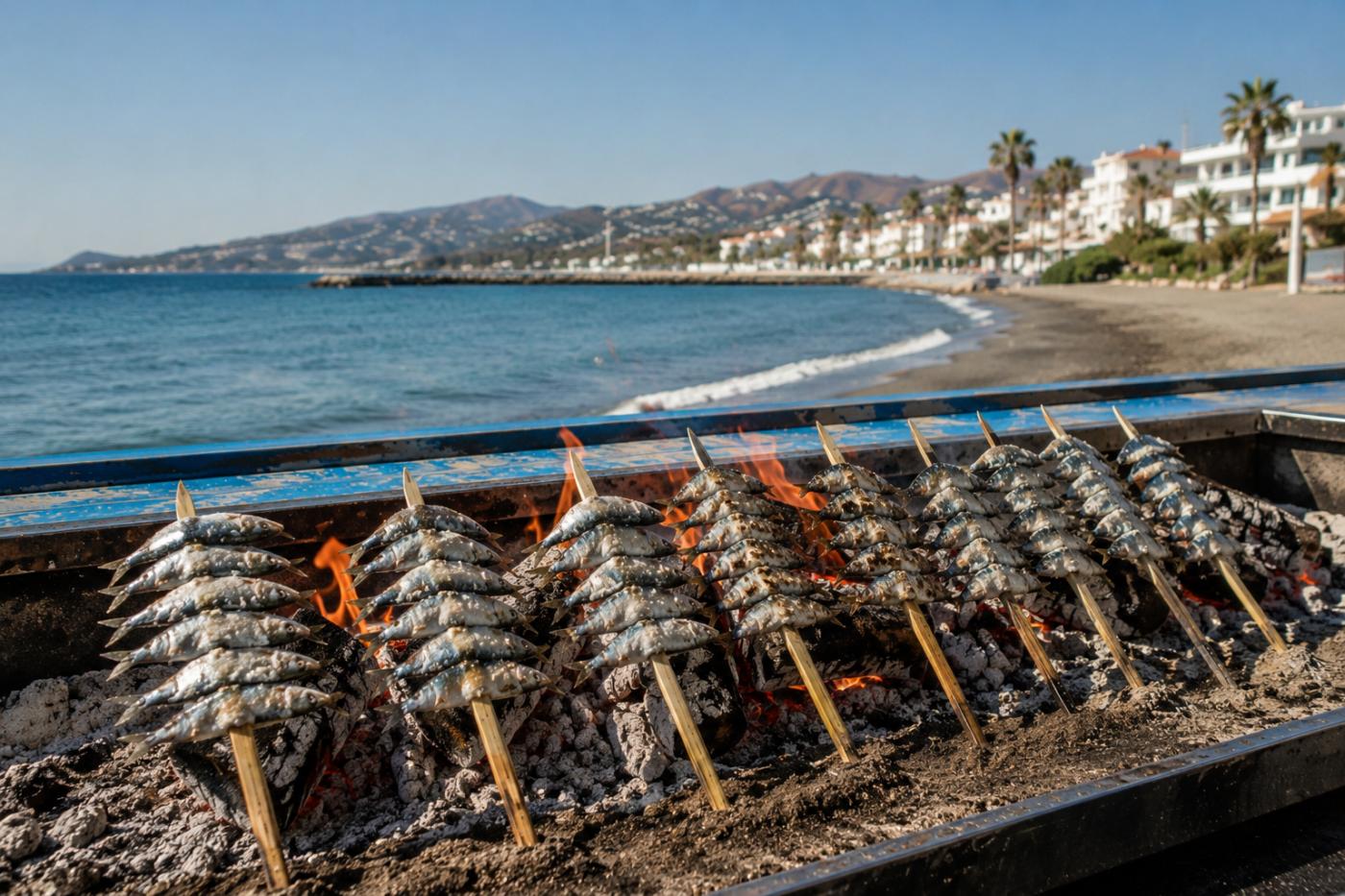

The traditional espeto de sardinas is far more than one of Málaga’s best-known dishes. For many families along the Costa del Sol, it represents a way of life, a legacy passed down through generations and one of the main sources of income for their beachfront businesses.
This is certainly the case for Francisco “Kiko” Rodríguez, owner of Casa Kiko, a restaurant in Rincón de la Victoria with a history closely connected to this local tradition. After more than two decades running his own establishment, Rodríguez says grilled sardine skewers remain the product that attracts the most customers, including both local residents and visitors to Málaga.
His experience reflects the transformation of a cooking technique once closely associated with fishing families into one of the province’s most recognisable culinary and tourism symbols.
A Tradition Learned from Childhood
Kiko Rodríguez’s relationship with espetos began long before he started managing his own restaurant.
His grandfather, father and one of his uncles all worked as espeteros, the skilled cooks responsible for preparing fish over open fires beside the sea. Rodríguez grew up watching them work and learning how deeply the profession was rooted in family life.
At the time, beachfront restaurants often depended almost entirely on relatives. Parents, children, siblings and uncles shared the different responsibilities, and it was common for establishments to operate without employees from outside the family.
Rodríguez’s father was responsible for the boat-shaped grill and the open fire. The fish sometimes came directly from a neighbour who went out fishing at night and delivered his catch for the restaurant to cook the following day.
In the morning, the sardines were placed in polystyrene boxes and arranged in rows before being skewered onto cane sticks, seasoned with salt and cooked beside the flames.
That daily routine made the espeto an inseparable part of Rodríguez’s family history and professional life.
How Many Sardines Should a Traditional Espeto Have?
Preparing an authentic espeto involves a technique that has been handed down from one generation to the next.
According to Rodríguez, a traditional skewer usually contains six sardines. However, the exact number depends on the size of the fish.
When the sardines are smaller and thinner, as many as eight may fit on a single cane. If they are larger, the usual number falls to around five.
Traditionally, each cane, measuring approximately 30 centimetres, is used for a single portion. Growing demand has led some busy establishments to use longer skewers capable of holding two or three portions at once.
Although working methods have evolved, the basic principle remains unchanged: the fish must be positioned correctly and the cook must carefully control its distance from the fire to achieve an even result.
Up to 600 Espetos Sold in a Single Weekend
Grilled sardine skewers remain Casa Kiko’s signature dish and one of the main reasons customers visit the restaurant.
Over the course of a weekend, the establishment can sell between 500 and 600 portions, demonstrating the enduring popularity of this traditional dish among both tourists and local residents.
Sardines may be the best-known fish prepared in this way, but they are not the only option.
Beach restaurants also serve skewers of sea bream, hake, cod and other varieties of fish. This broader selection has helped expand the offering, although sardines remain at the heart of Málaga’s espeto tradition.
For Rodríguez, one of the greatest rewards is seeing customers enjoy the food and hearing them praise the flavour of the grilled sardines. However, he believes diners often see only the final dish without realising how demanding its preparation can be.
Espetos as a Major Tourist Attraction in Málaga
The popularity of the espeto has grown alongside the development of tourism on the Costa del Sol.
What began as a simple cooking method used by fishing families has become an experience actively sought out by thousands of visitors. Eating grilled sardines beside the sea is now one of the images most closely associated with a holiday in Málaga.
At restaurants such as Casa Kiko, the dish is not merely another item on the menu. It is the establishment’s main attraction and a decisive factor in bringing customers through the door.
Rodríguez admits that without espetos, the restaurant would receive significantly fewer visitors.
The dish therefore brings together heritage, gastronomy and economic activity. Its popularity supports numerous businesses while helping to preserve the maritime traditions of the province.
Working Beside Open Flames in the Summer Heat
Behind this popular culinary image lies an extremely demanding profession.
Espeteros spend hours beside burning wood, exposed to intense heat, smoke and direct sunlight. These conditions become particularly difficult during the summer months, precisely when beachfront restaurants are at their busiest.
Rodríguez was unable to work as an espetero himself for health reasons and instead focused his career on managing the restaurant. Nevertheless, he is very familiar with the difficulties faced by those working beside the fire.
The first few weeks can be especially challenging. The hands, skin and face need time to adapt to the constant heat, and newcomers commonly suffer minor burns and injuries.
Experience eventually helps workers control the fire more effectively and build up greater resistance, but the job remains physically exhausting.
A Lack of New Espeteros Threatens the Tradition
One of the sector’s main concerns is the difficulty of finding younger people interested in learning the craft.
Despite the commercial success of espetos, fewer members of the younger generation are willing to spend hours working beside an open fire during the hottest part of the day.
Over the years, Casa Kiko has employed several espeteros, usually relatives or close friends who already had experience. Today, however, finding skilled workers or people willing to train is becoming increasingly difficult.
The absence of generational replacement creates a serious challenge for beachfront restaurants across the Costa del Sol. Preparing an espeto requires knowledge, practice and judgement that cannot be fully replaced by industrial methods.
Without new workers capable of learning and preserving the technique, an important part of Málaga’s culinary heritage could gradually disappear.
A Heritage That Needs Recognition and Continuity
For Kiko Rodríguez, espetos form part of his identity and his family’s history. He has lived alongside the tradition since childhood and witnessed its transformation from an everyday fishing practice into a major culinary and tourism phenomenon.
His story resembles that of many Málaga families that have sustained their businesses through shared effort and knowledge passed from one generation to the next.
The current challenge is to preserve this heritage without ignoring the difficult working conditions involved. Improving conditions, recognising the specialist skills of espeteros and attracting new workers will be essential to securing the future of the profession.
For now, the sight of sardines cooking beside the Mediterranean remains one of Málaga’s most characteristic summer scenes and one of the flavours that best expresses the province’s relationship with the sea.
Information source: Infobae Spain

Latest news



Upcoming events
17
Sep
La Pequeña Cuba Gastro-Cultural Festival in San Pedro Alcántara 2026
18
Sep
World Wellness Weekend Marbella 2026
18
Sep
Candlelight: Queen vs. ABBA in Málaga
18
Sep
Candlelight: Coldplay and Imagine Dragons in Málaga
18
Sep
3 de Corazones – Pancho Céspedes, Enrique Ramil and José Luis Jaén in Málaga
Similar News
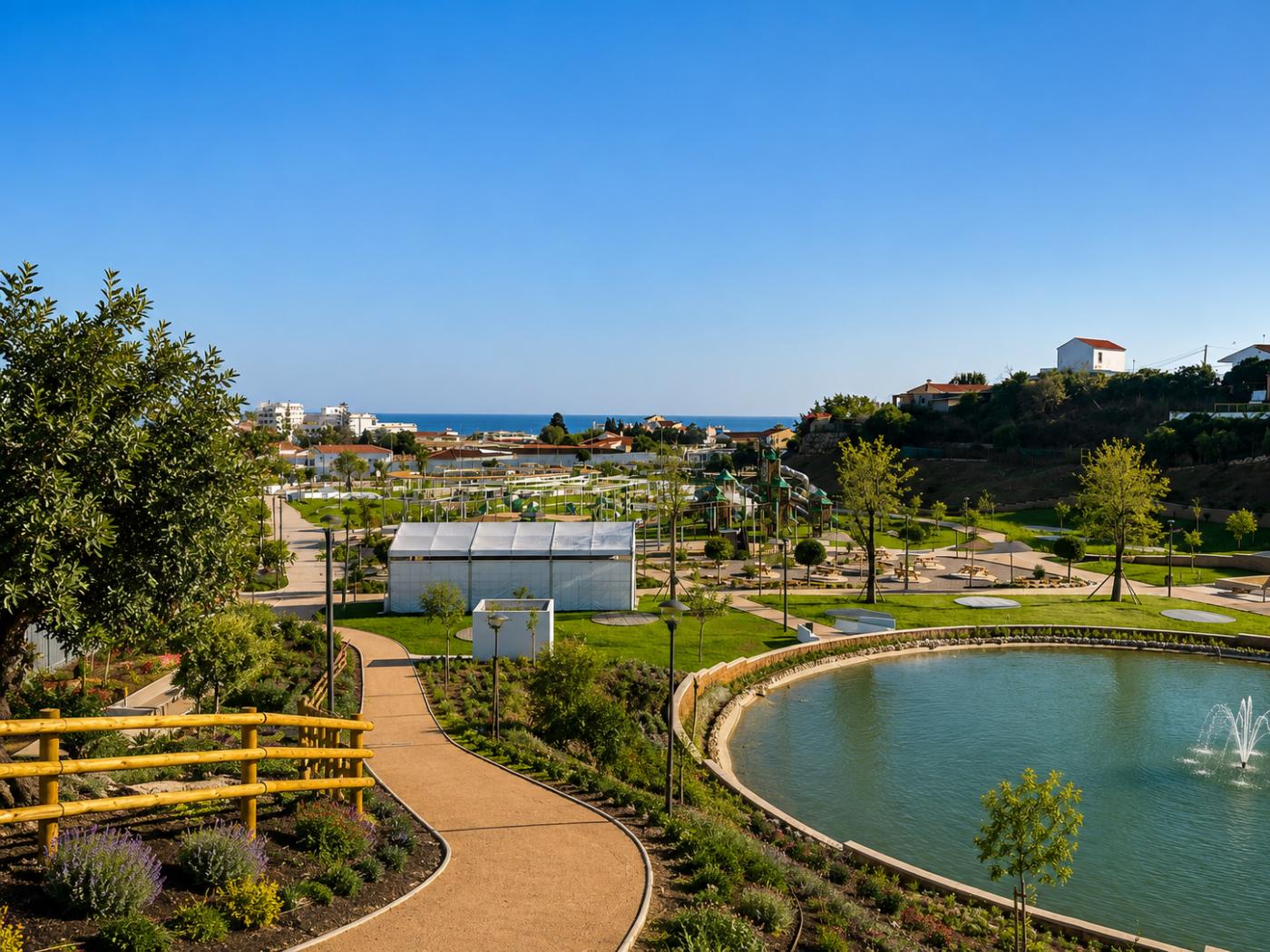
Rincón de la Victoria Opens a New Park Covering Almost 30,000 Square Metres
Rincón de la Victoria

More Than 500 Rowers to Compete in Rincón de la Victoria’s Provincial Jábega League
Rincón de la Victoria
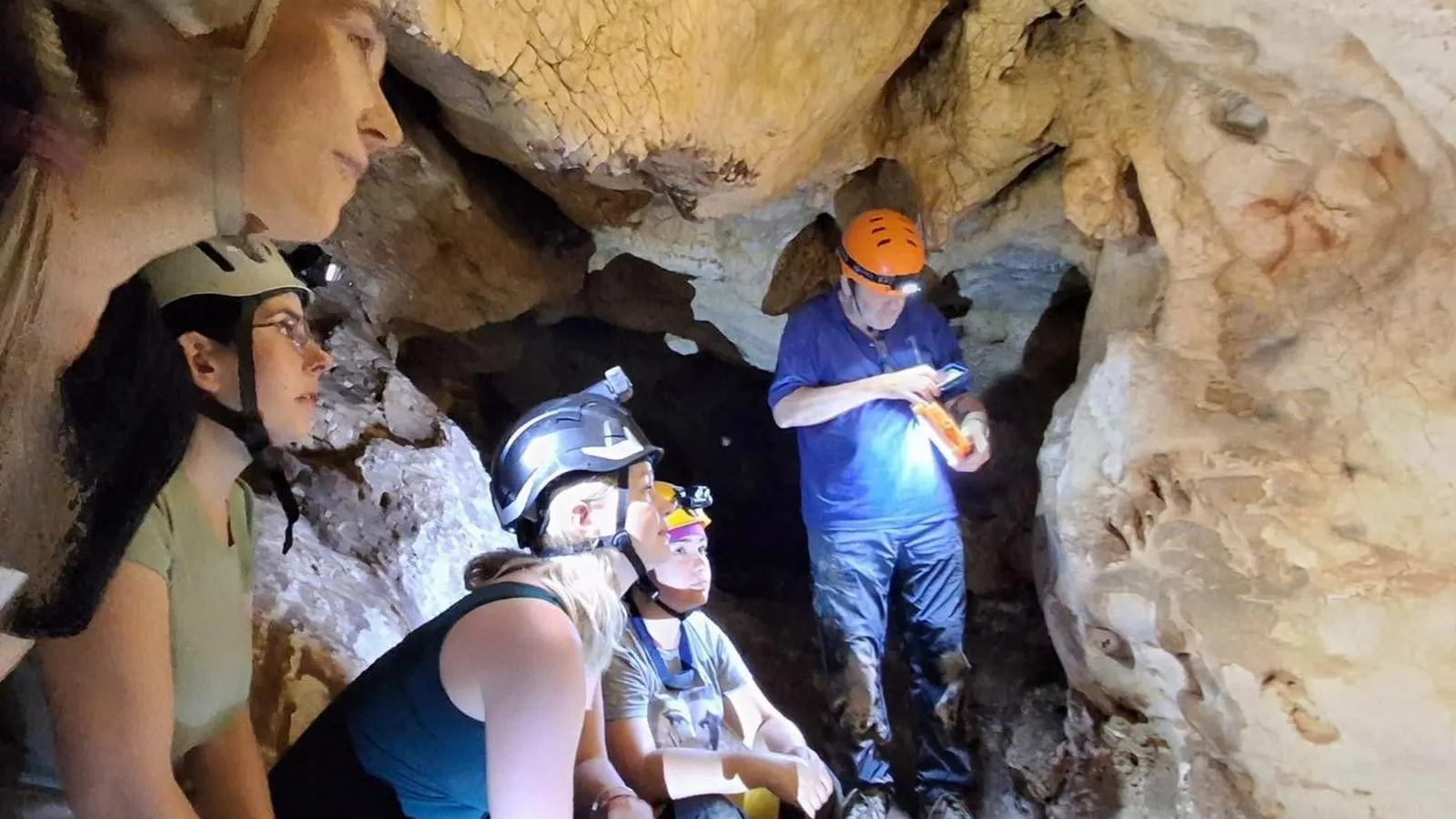
Scientists from five countries search for prehistoric DNA in the Rincón caves
Rincón de la Victoria