Scientists from five countries search for prehistoric DNA in the Rincón caves
The international project 'First Art' collects samples of uranium and genetic remains in the deepest cave paintings of the cavities. Aemet warns about an episode of
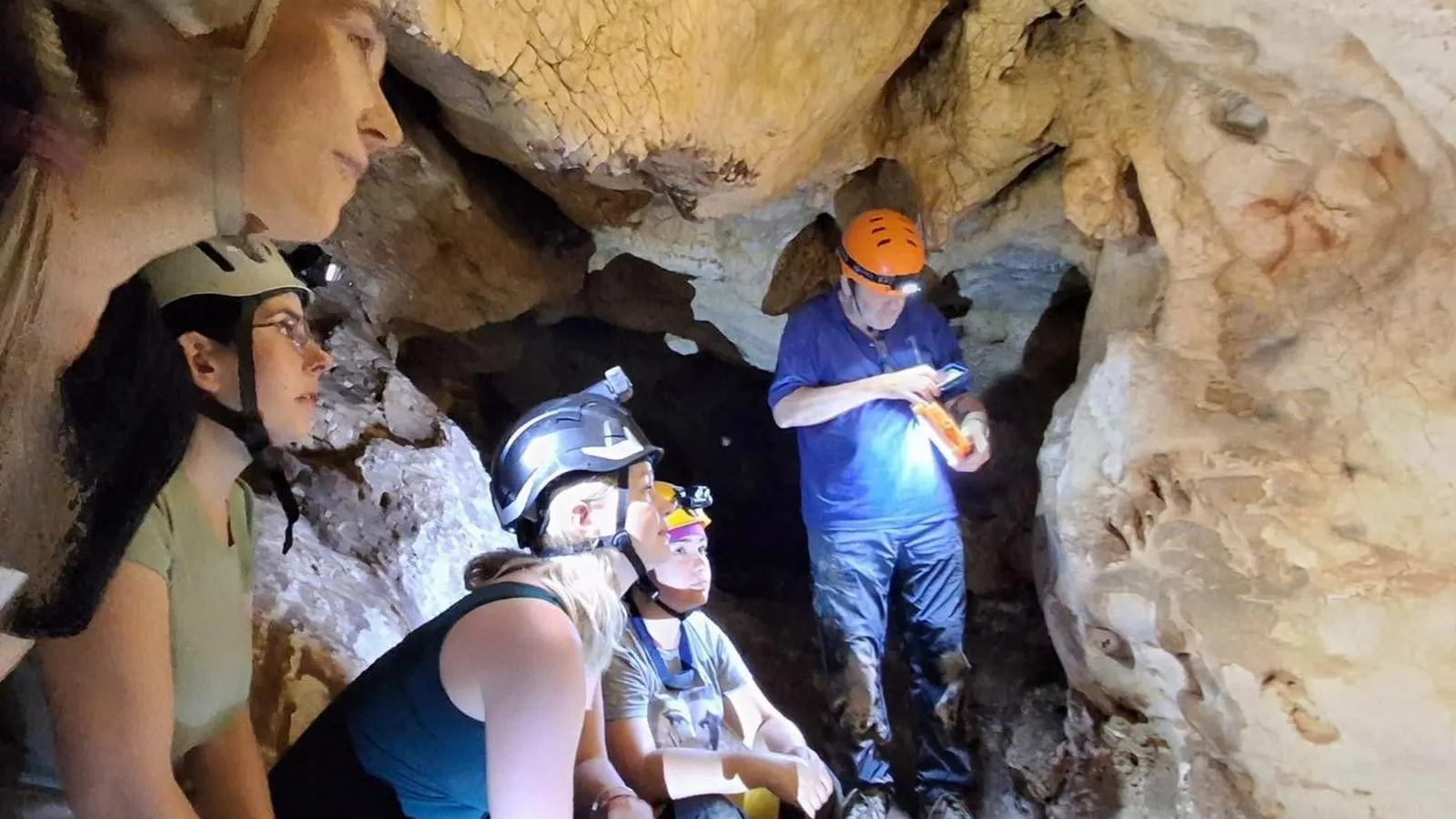

The caves of Rincón de la Victoria are once again at the forefront of global archaeology. A multidisciplinary team of researchers from Spain, Canada, the Netherlands, Portugal, and the United Kingdom has returned to the municipality to conduct their third fieldwork campaign. The expedition, part of the First Art project and sponsored by National Geographic, has ventured into the most remote and isolated galleries of the caves to extract key data about the early inhabitants of the Bay of Málaga.
The councilor for Tourism and Caves, Antonio José Martín, has highlighted the triple dimension—touristic, scientific, and educational—of these incursions, which are now approaching their final stage. For his part, the mayor of the town, Francisco Salado, has emphasized the institutional effort to place Rincón's underground heritage on the international map of Paleolithic art, balancing massive visits with cutting-edge research.
Searching for exact dates and genetic traces
The current work focuses on two very specific lines of analysis. On one hand, carbonate crusts that cover various paintings and engravings are being collected for dating using the uranium series technique; studies that in previous campaigns already yielded ages over 35,000 years.
On the other hand, scientists are extracting DNA samples from the pigments preserved in the deepest areas of the caves. In these sectors, the climatic stability and the distance from the entrance mouths have allowed the genetic traces of human presence to remain completely unaltered over the millennia.
The laboratory after summer
This phase of direct intervention inside the caves will definitively conclude at the end of this coming summer. From there, the scientific committee will open a two-year cycle dedicated exclusively to laboratory analysis and the drafting of globally impactful publications.
The team of researchers from Málaga—comprising María del Mar Espejo, Pedro Cantalejo, José Ramos (UCA), and specialists from the Nerja Cave Research Institute—has recalled that the project was born with the goal of rescuing and valuing sites that the scientific community of the 20th century had once considered "written off." Now, supported by international figures such as the project director, Hipólito Collado, and experts George Nash and Genevieve von Petzinger, the prehistoric art of Rincón aims to consolidate its relevance on a global scale.

Latest news


Upcoming events
17
Sep
La Pequeña Cuba Gastro-Cultural Festival in San Pedro Alcántara 2026
18
Sep
World Wellness Weekend Marbella 2026
18
Sep
Candlelight: Queen vs. ABBA in Málaga
18
Sep
Candlelight: Coldplay and Imagine Dragons in Málaga
18
Sep
3 de Corazones – Pancho Céspedes, Enrique Ramil and José Luis Jaén in Málaga
Similar News
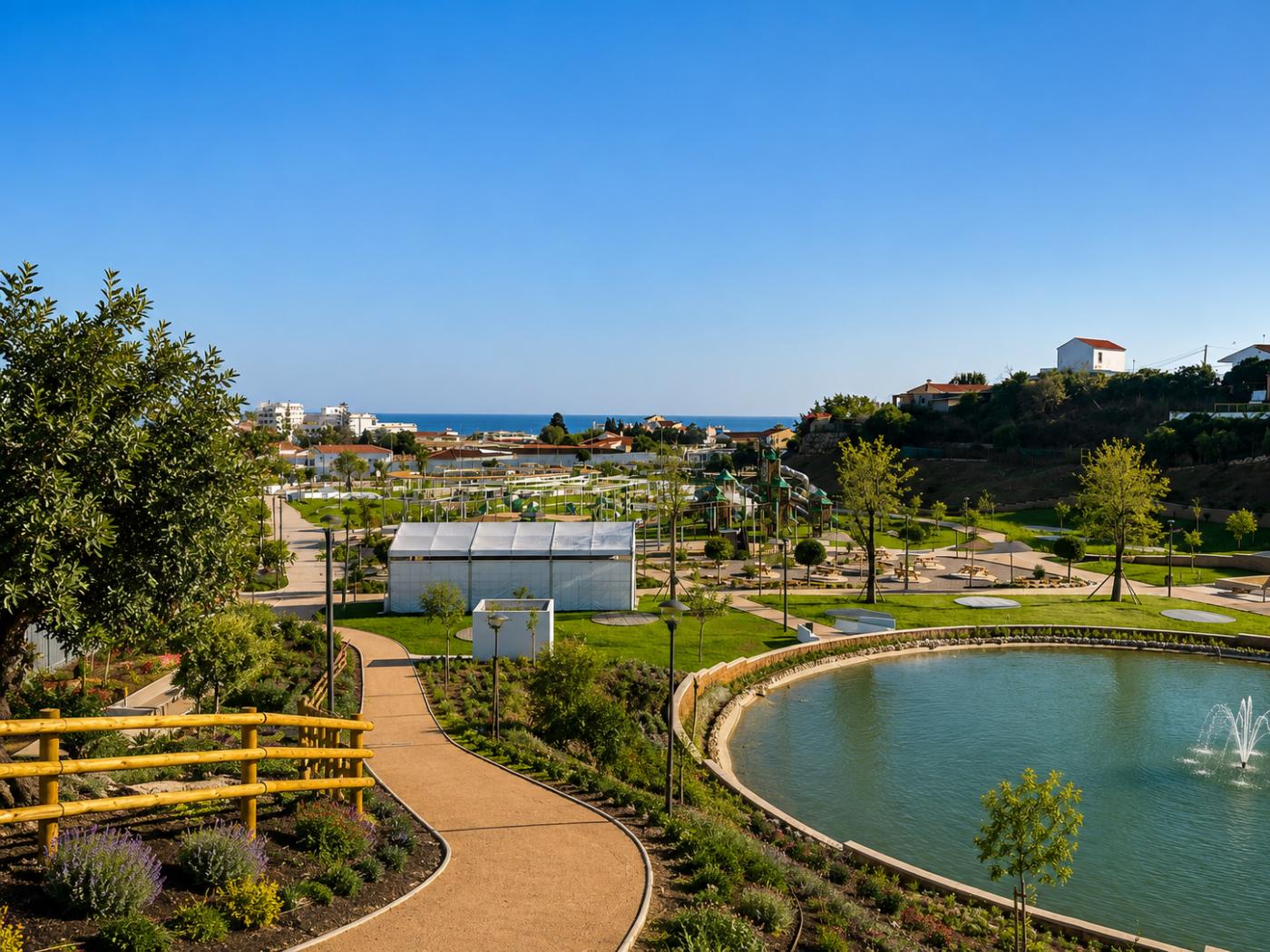
Rincón de la Victoria Opens a New Park Covering Almost 30,000 Square Metres
Rincón de la Victoria
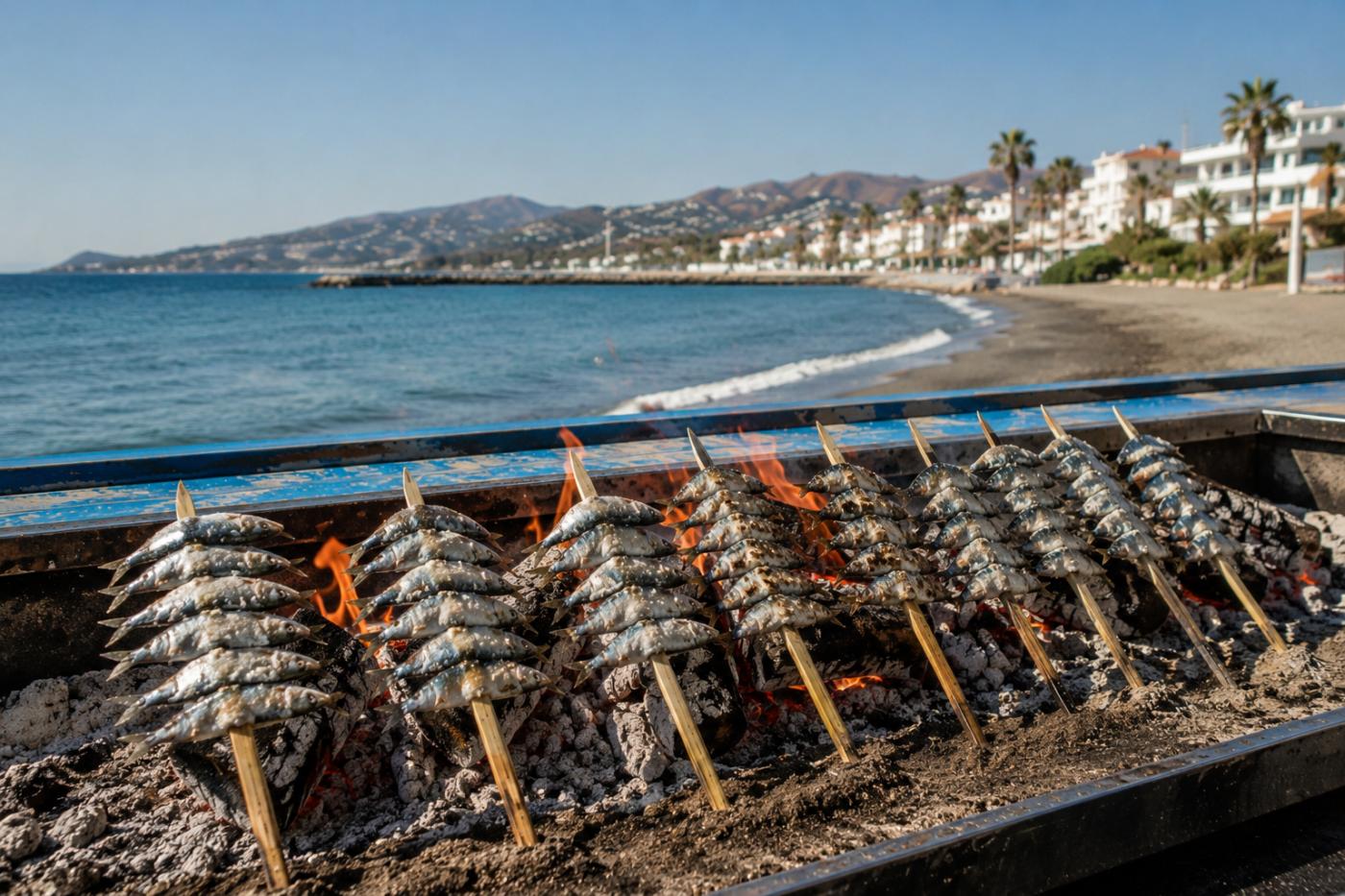
Málaga’s Famous Sardine Skewers Drive Costa del Sol Beach Restaurants, but the Craft Faces a Shortage of Workers
Rincón de la Victoria
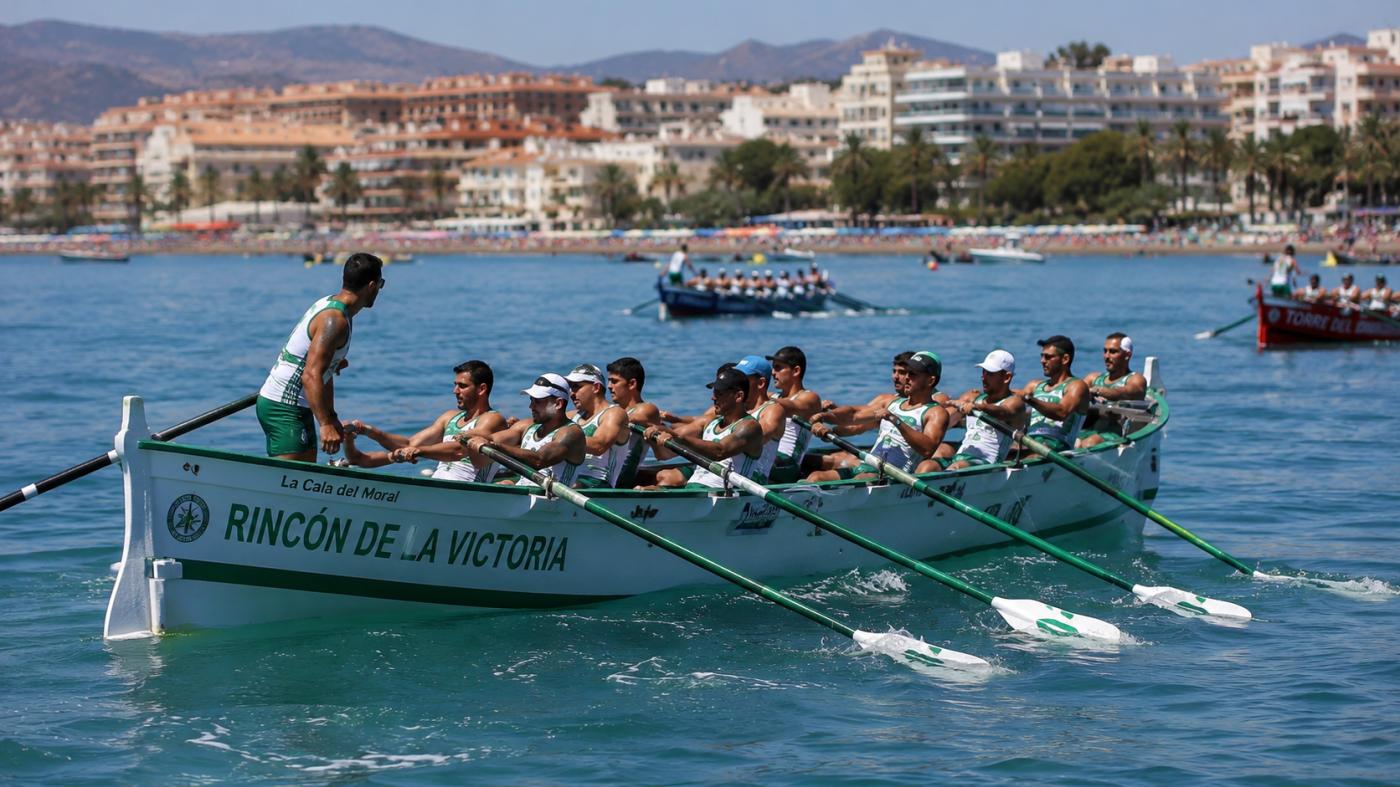
More Than 500 Rowers to Compete in Rincón de la Victoria’s Provincial Jábega League
Rincón de la Victoria