


The Starck Oil Mill in Ronda Celebrates Its First Anniversary with Its First Oil
Visitors can learn about the complete production process of the so-called 'liquid gold' during the collection campaign.


La Almazara, a museum designed by Philippe Starck in Ronda, celebrates one year since its opening and will mark the occasion by launching its first own olive oil into the market. Indeed, the mills of this complex, which showcases the olive oil creation process to the world, have started their engines.
However, this first year will feature a limited edition production of about 70,000 kilograms, although the facility has the capacity to process up to one million. “It is an ideal space for making premium oils,” states the agricultural engineer responsible for the olive groves.
The process is always complicated and becomes even more laborious when dealing with a estate not exclusively designed for production and that combines different farming methods so that visitors can have a much broader view. This aspect, which enhances learning and brings the world of olive oil closer to the general public, is a challenge that field managers must solve in the best way possible, requiring some areas to be harvested manually due to the impossibility of mechanization.
The first liters of oil have already left its mill / Javier FloresIn fact, the complex offers a premium tour that includes participating in the olive harvest and taking home the liquid gold produced from those olives on the same day.
The start of the olive harvest season also allows visitors to fully experience the experience created by Starck in all its splendor. Upon entering the building, the first thing that strikes is the clattering of olives as they descend through the air-suspended tube leading them to the hopper for milling.
Additionally, the exit of the olives allows tourists to have a direct view of the fruit before it is turned into oil. This surprises those who are unfamiliar with the process and have never had contact with this fruit.
Tasting of the olive oil produced at the facilities. / Javier FloresThe experience can be even greater if part of a guided tour, as those who do so have the opportunity to explore the industrial area located beneath the museum area. There, they can also see the olive oil being extracted, which they will later have the chance to taste and take home.
Starck's Vision
All this combined with Starck's own creation in which the role of man in nature is of utmost importance, especially in the production of olive oil. The unique exterior element of the bust and the tube from which water falls, besides being functional as it is a system for harvesting water from the building's roof, represents the idea of a tribe, the human being, who since the Sumerian and Phoenician civilizations has been responsible for transmitting knowledge about olive oil production.
Creative interior of La Almazara / Javier FloresWater represents one of the three essential elements that have accompanied man throughout the history of humanity, along with salt and olive oil. Starck portrays these three elements as sacred, as well as the processes for their production, which he compares or symbolizes with alchemy and magic.
Two parts that together form a whole that undoubtedly deserves a visit for those tourists arriving in Ronda. So far, in the first year of operation, 20,000 people have passed through its facilities between visits and corporate events.

Latest news





Upcoming events
12
Nov
El Desembarco, la traición de Viriato at La Caja Blanca
12
Nov
HOMER El Mero Mero at Sala Trinchera Málaga
13
Nov
Marbella Startup Lab – Innovate & Collaborate
13
Nov
Candlelight: Coldplay & Imagine Dragons at Sala Fundación Unicaja María Cristina
13
Nov
Candlelight: Tribute to Ludovico Einaudi at Anantara Villa Padierna
Similar News
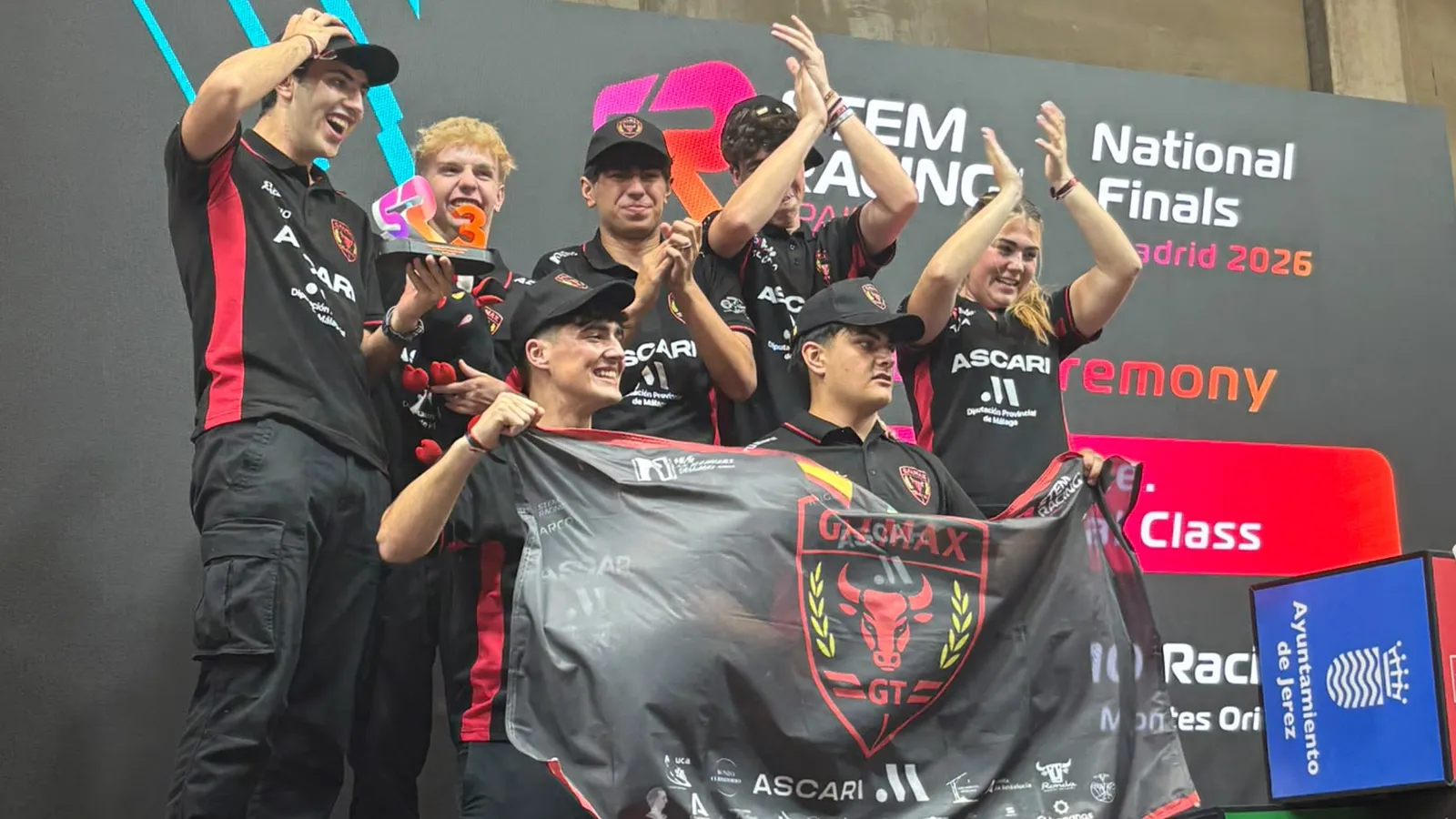
The 'Formula 1' team from Ronda qualifies for the international final of Stem Racing
Ronda
Arias launches a butter made from goat's milk cream produced in Ronda
Ronda
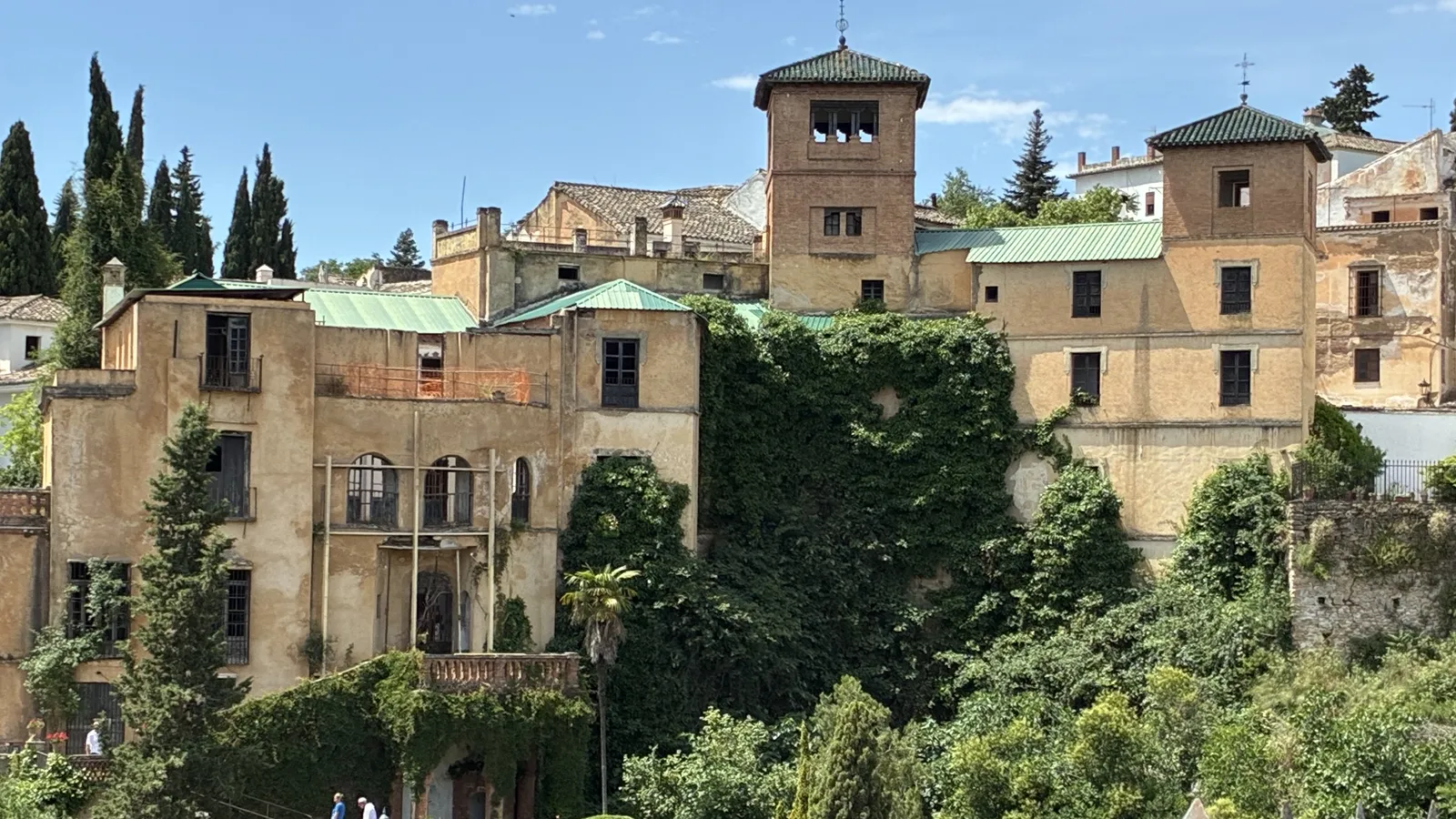
New project to rehabilitate the Casa del Rey Moro, one of the jewels of Ronda
Ronda
