The Album That Changed Bruce Springsteen's Career
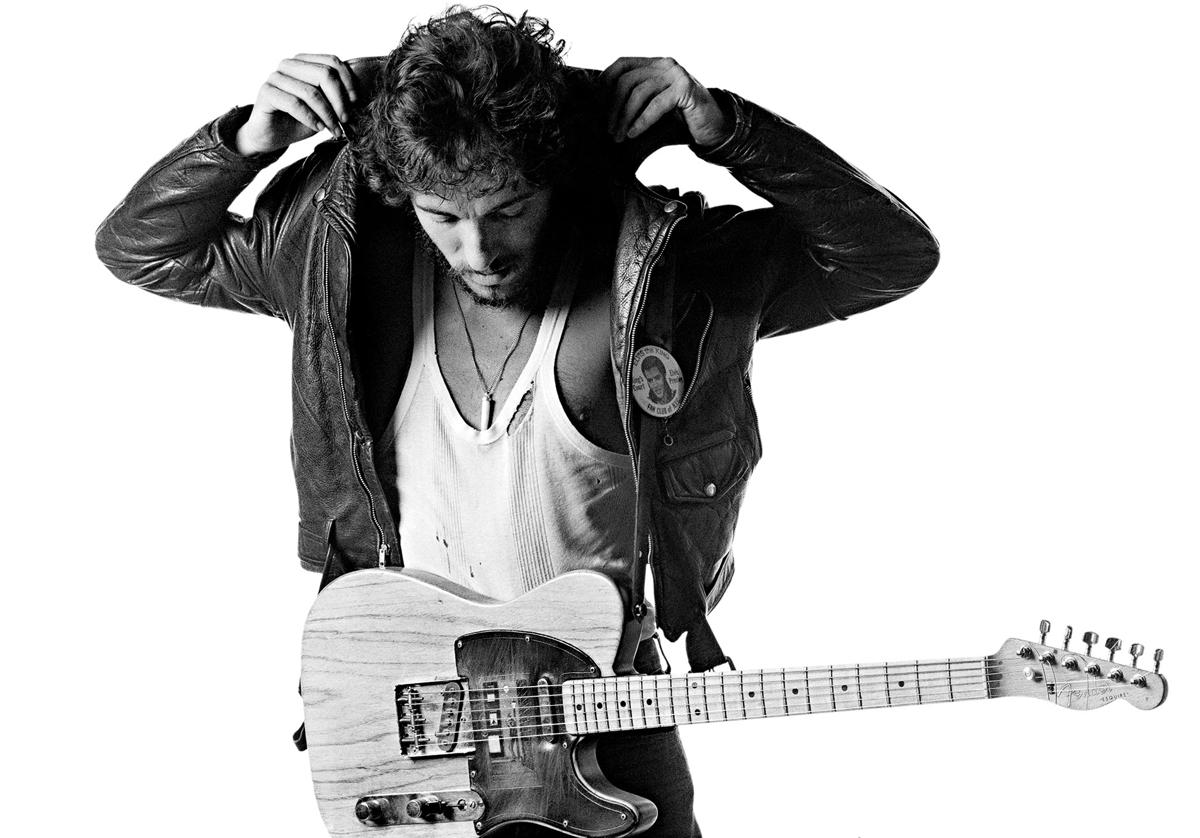

It was all or nothing. Bruce Springsteen had already made a name for himself in the New York rock circuit through two critically acclaimed albums, 'Greetings From Asbury Park, N.J.' (1972) and 'The Wild, The Innocent & The E Street Shuffle' (1973), but success and popularity still eluded him. To make matters worse, Clive Davis, the executive who had encouraged him to sign with Columbia Records, had just left the label. So the 'Boss' saw his third LP as a last chance, the final bullet of a rocker who was born to stir the masses.
Under all that pressure, 'Born To Run' was created, the album that turns half a century old and forever changed the career of the New Jersey musician, making him the voice of a generation that sang about the frustration and dreams of the working class. Springsteen was 24 years old when he began working on a full-length album that invited an escape from a downtrodden America. In 1973, the oil crisis had led the country into its worst recession since 1930, resulting in the closure of many factories and a significant drop in employment. All this while the Vietnam War, which had claimed the lives of more than 58,000 American soldiers, was winding down.
With no opportunities for the youth, Springsteen decided to transform that existential anguish into an escapist album, which invites taking a road to nowhere, leaving behind routine, the past, or what one is to cling hopefully to a future full of promises. He does it with eight resounding, eclectic, and epic songs that only need forty minutes to conquer the listener. Entirely composed with a piano, its presence throughout the LP is key. It is seen in the start of the monumental 'Thunder Road', where the percussive string instrument and a harmonica seem to approach from the distance, and Springsteen sings "it's a town full of losers, and I'm pulling out of here to win".
Expand
The 'Boss' envisioned his third album as a cycle of songs that began at dawn, with that harmonica playing reveille, and culminated in the darkest of nights, with the vibrant 'Jungleland' and its over nine minutes of duration closing the curtain. Between the two, we met a cast of characters who ventured into dark alleys, lamented their sun-to-sun days, or took to their heels in search of freedom or redemption. 'Thunder Road' was also a good example of what we would find on the album: rock and roll, soul, and R&B songs, with powerful lyrics, extensive instrumental developments, and a raw voice, coming from the gut, that contrasted with the majesty of the rest of the sound artifact.
"My intention with 'Born To Run'—the musician would say later—was to make the greatest rock and roll album ever made." How? It involved merging the melodies of Roy Orbison, whom he cited in the song that opens the record, with the poetry of Bob Dylan and the 'wall of sound' with which Phil Spector had revolutionized the music industry in songs like 'Be My Baby' by the Ronettes and albums like 'Let it Be' by the Beatles. A recording system that, through the accumulation of layers of guitars, orchestral arrangements, and an echo chamber, achieved a dense, reverberating sound that would ultimately inspire works like the Beach Boys' 'Pet Sounds'.
In 'Born To Run', the song that names the album and opens side B of the record, there are fourteen overlaid guitar tracks. Its recording, incidentally, took six months, but finishing the album took a whopping fourteen months. Alongside producers Mike Appel and Jon Landau, Springsteen spent entire days in the studio, from 3 PM to 6 AM, reviewing every note, verse, and arrangement. Landau recalled in a later interview that the last session, dated July 19, 1975, was marathon-like. The 'Boss' and Clarence Clemons locked themselves in to record the sax solo of 'Jungleland': they were there for 16 hours. "It was a nightmare. He had a vision in his head and the only way he could solve it was by trial and error with Clarence."
Expand
Most surprisingly, when Springsteen received the first master-pressed copy, he ended up throwing it into the pool of the hotel in Kutztown (Pennsylvania) where he was staying. It seemed weak, unbalanced, and he even considered re-recording it live. "At the end of the production, I had lost the ability to listen clearly," he would acknowledge years later. Eventually, he reconsidered, and the album was released on August 25, 1975, with the photograph by Eric Meola that shows the 'Boss' leaning on Clarence Clemons' shoulder. In the US alone, it has sold over 6 million copies and is the second best-selling album of the boss, only behind 'Born in the USA'. On Friday, Springsteen celebrated by releasing 'Lonely Night in the Park', an unreleased track from the recording sessions of this now eternal gem.

Latest news





Upcoming events
12
Nov
El Desembarco, la traición de Viriato at La Caja Blanca
12
Nov
HOMER El Mero Mero at Sala Trinchera Málaga
13
Nov
Marbella Startup Lab – Innovate & Collaborate
13
Nov
Candlelight: Coldplay & Imagine Dragons at Sala Fundación Unicaja María Cristina
13
Nov
Candlelight: Tribute to Ludovico Einaudi at Anantara Villa Padierna
Similar News
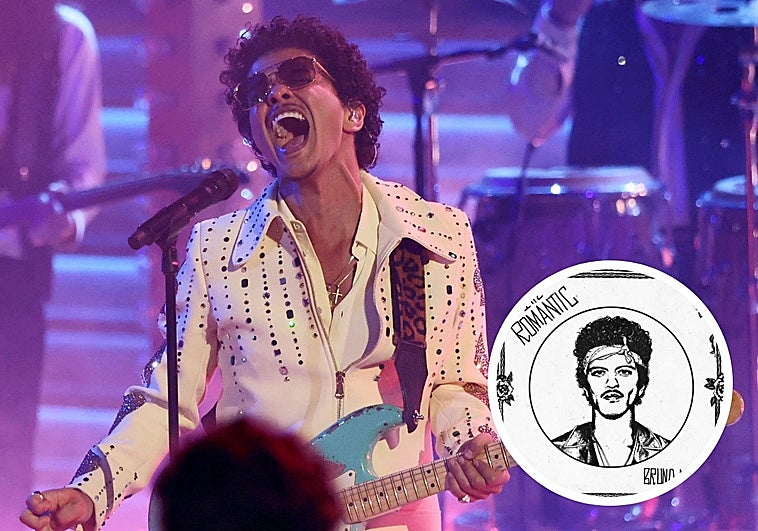
Bruno Mars Ends a Decade Without a Solo Album with 'The Romantic'
Málaga