Only the chosen ones can live here: a trip to Krasnoyarsk-45, the closed city in Russia that you will never be able to enter
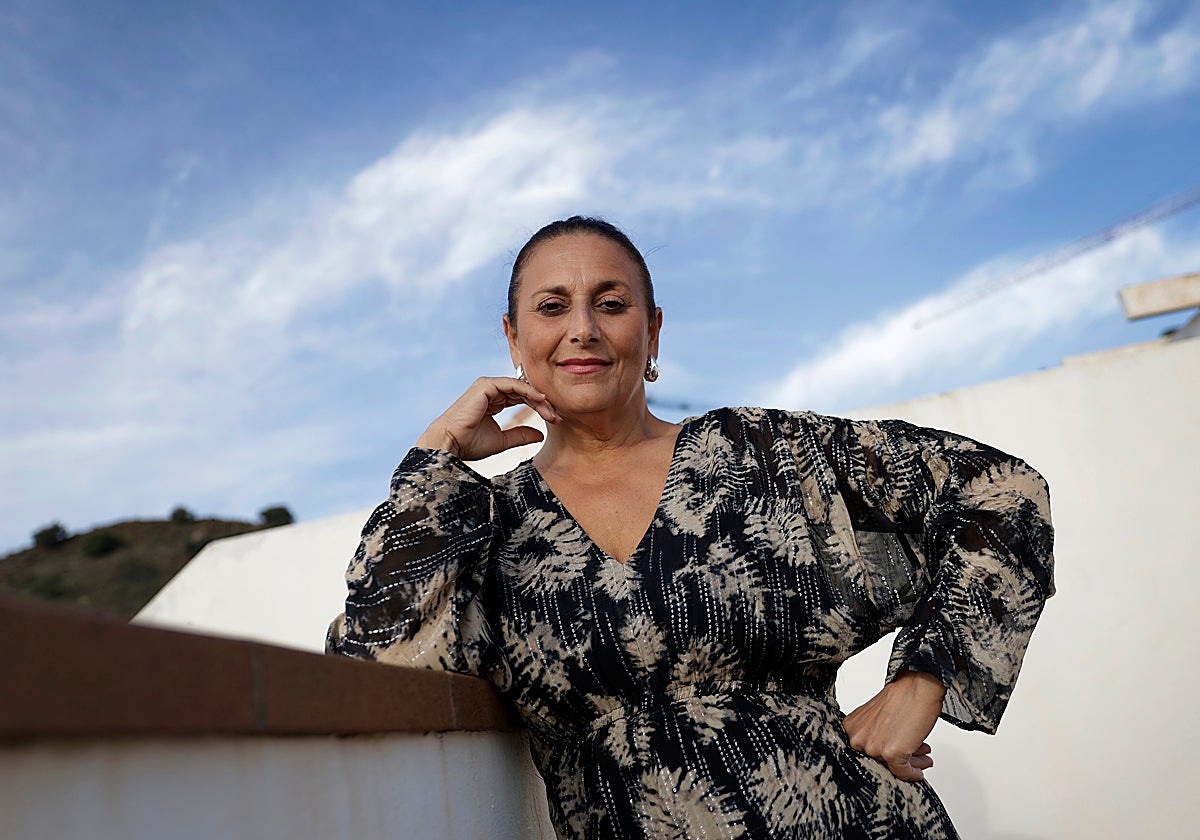
Photographer Esther Garrison gained access to one of the 44 sealed cities scattered across Russia: seven years later, she has immortalized it in the book 'Trans-Siberian To The Closed City'


Imagine that, now, suddenly, a fence was erected around your city. You could leave, but never return. That no one would visit you. That your entire life was confined to one house. That your work was also your leisure. And that your family knew no other reality. Moreover, imagine it was labeled as nuclear. And that security was its main pillar. It would have advantages, of course, such as cleanliness and self-sufficiency. Few resources would be lacking, except for freedom. It sounds like science fiction, who would want to live here? Photographer Esther Garrison ventured into one of the closed cities scattered across Russia. A journey that, seven years later, she has immortalized in the book Trans-Siberian To The Closed City.
“The project was born in 2018, when my previous employer, a Swedish energy company, sent me to Siberia with a question: Is it socially responsible to buy uranium that comes from a closed city, where residents have no freedom of movement and are under strict control? At that time, I was in the Sustainability department and I made sure that the suppliers complied with international standards. I took the opportunity to photograph what they allowed me to,” says Garrison, who lives between Stockholm and Madrid. She was fascinated by the proposal and, within months, due to the demanding bureaucracy, the adventure into the unknown began. She had never heard anything like it.
Krasnoyarsk-45 reverted to its original name in 1992: Zelenogorsk. / Esther Garrison
These metropolises were erected in 1956 in no man's land, surrounded by forests so that spies could not locate them. They did not appear on maps and were dedicated to the production of nuclear weapons. Those who lived there felt privileged, as they had been selected by the State for this purpose and, likewise, they were crime-free areas: “During the Cold War, not even the population knew of their existence. They were a Soviet utopia and, as such, not just anyone lived here. The chosen ones could not refuse the offer: the best from each university were offered great conditions to move. In fact, there were parents who did not know where their children were.” Once inside, they signed a confidentiality agreement and agreed to undergo frequent polygraph tests.
Garrison entered Krasnoyarsk-45. To do so, the authorities first evaluated her. However, being under the umbrella of a multinational made the process easier. “I didn't know what I was going to find. I had in mind something like Chernobyl. When I arrived, I found a clean, beautiful center. The sun was shining, there were flowers. And the uranium plant was located on the outskirts. The prejudices I had were not fulfilled. I interviewed various people that the government, obviously, had carefully selected. Although I learned little, there were already those who wished their borders would open. It's true that they are not prisoners, but they are watched. At first, they weren't even allowed to travel except for justified reasons,” she continues.
Border Posts
These destinations were known by a name plus a number, as if it were a postal code. All this to conceal their identity. For example, residents, to comply with this premise, could not include their place of residence in official documents, they had to lie and indicate the nearest open city to their location: “There were those who took years to discover that they were isolated from the rest of the world. One of the girls I spoke with told me that her grandparents had met there and that, since then, her family's life had been limited to this space. It wasn't until her adolescence that she learned that not all cities had control posts like hers.”
On the outskirts of Krasnoyarsk-45 is the enriched uranium plant. / Esther Garrison
Those who left knew they would never see their loved ones again, which is why many rejected this option. Nevertheless, aware of the situation, the authorities organized cultural and recreational activities to stimulate the population, which reinforced their sense of community. “I was not allowed to sleep inside, I had to stay in a sanatorium on the outskirts. Although they did not prohibit me from taking photos, I felt watched. So much so that I was not allowed to walk alone on the street. I was always accompanied by a representative,” Garrison maintains. Currently, there are 44 closed cities in the country. The most recent was declared by Vladimir Putin in 2001. In total, 1.5 million people live in one.
They Are Not Coerced
69 years after their foundation, they still exist. Although they are no longer secret, they continue to be closed. Only family members and workers, with permission, can access them. “As I have recently confirmed, people are not coerced. In fact, they have great memories of their childhood. Just recently, through a secure messaging app, I asked a 30-year-old woman if she would like her city to open and she told me no. According to her, she does not want pilgrims from all over the world visiting the saint they guard. It caught my attention because, when she was a child, she spent three summers in Valencia and tried pizza for the first time. They can leave, but they prefer that no one enters theirs,” she says.
68,000 people live today in Krasnoyarsk-45. / Esther Garrison
It is unknown why they remain closed today. The lack of consensus among its residents could be the trigger. “In the United States, there were also closed cities, although they disappeared. However, in Russia, they have not. In Krasnoyarsk-45 they voted against opening it. To what extent are they being brainwashed? Could the elections have something to do with it? It's a good parallel to the situation in which the country finds itself, closed to the world,” concludes Garrison. Upon returning to Sweden, her company continued to buy Russian uranium: “Frustrated by how the term sustainability is played with internationally both politically and corporately, I decided to leave it in 2022.”
.

Latest news





Upcoming events
12
Nov
El Desembarco, la traición de Viriato at La Caja Blanca
12
Nov
HOMER El Mero Mero at Sala Trinchera Málaga
13
Nov
Marbella Startup Lab – Innovate & Collaborate
13
Nov
Candlelight: Coldplay & Imagine Dragons at Sala Fundación Unicaja María Cristina
13
Nov
Candlelight: Tribute to Ludovico Einaudi at Anantara Villa Padierna
Similar News

Bruno Mars Ends a Decade Without a Solo Album with 'The Romantic'
Málaga