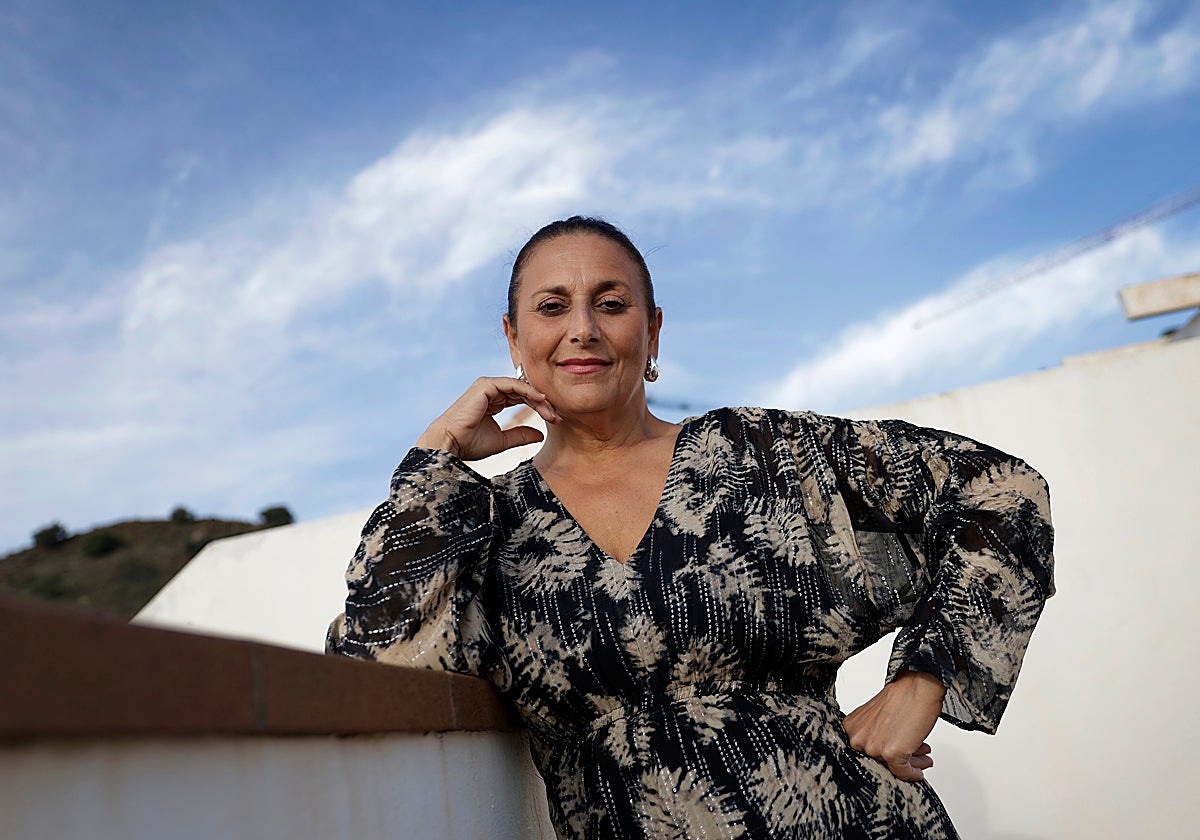
The Roasted Coffee and the Shepherd Who Elevated It


If the world were fair, the adventures of José Abelardo Gómez Tejedor (1854 - 1932) would have already earned a serious biography, a couple of historical novels, and even a foray into the charming world of films or series about tea cups. In case you did not know, the audiovisual subgenre called "de tacitas" refers to those period productions where the characters, almost always from the upper class, overcome various dramas with their pinky raised, clutching a teacup. In the case we are discussing today, the cups would not contain Anglophile tea but a genuine and very dark roasted coffee, a drink around which Mr. José Gómez Tejedor built an empire that still endures.
The story of how an orphan boy from Frades de la Sierra (Salamanca) went from being a nomadic shepherd to becoming the first coffee producer in Spain is fascinating, and yet our poor protagonist carries a heavy sentence: nowadays people not only criticize what used to be his best creation, but if we search his name on the internet, we encounter headlines as insulting as "This man is responsible for the poor quality of coffee we drink in Spain." Ouch. Today, it is very easy to disdain torrefacto, but we forget that this type of coffee, mixed with a certain percentage of sugar, preserves better and therefore allows it to be stored for longer periods and transported to areas far from its processing location. Currently, we have access to all kinds of logistical facilities and it is relatively easy to enjoy the taste of natural coffee—purer and more complex, according to experts—just a few days after it has been roasted without any added ingredients. 125 years ago, when everything was infinitely more complicated, torrefacto made coffee affordable for a large part of the Spanish population and transformed into the benchmark of the national coffee sector, reinforcing a tradition or an acquired taste that is hard to completely shake off.
When roasted with a portion of sugar, the grains of torrefacto coffee end up wrapped in a thin layer of caramel that prevents them from losing aroma or becoming moist, and this same treatment also gives the final infusion a greater intensity of color and a more bitter and intense flavor than that of naturally roasted coffee. We are free to abhor it, but we should agree that its implementation was a masterstroke.
Young José Abelardo, when he was guiding flocks of sheep between Extremadura and La Rioja, could hardly have imagined that he would lead such a radical transformation in the world of coffee. I doubt there were many places along the Cañada Real Segoviana where one could have a little coffee, so it is very likely that Gómez Tejedor knew almost nothing about the preparation of this drink until around 1880 when he moved to Badajoz. There, he found employment in a grocery and colonial store where he was tasked with roasting the green coffee that arrived, ironically, from overseas. A few years later, he acquired a thriving café in the capital of Badajoz, called Europa, and in 1887 he renamed it Café La Estrella, which would later become the name of his commercial brand. At that time, "torrefactar" simply meant to roast something slowly, and various ways to prevent the aroma of the coffee treated in this way from evaporating into the air were already known. The American John Arbuckle, for example, was making a fortune thanks to a method he patented in 1868 that used sugar, gelatin, and egg to coat the coffee beans during roasting with a protective layer. This procedure greatly facilitated the packaging and transportation of the product so that Ariosa, Arbuckle's brand, became known as "the coffee that conquered the West" in America. In our country, Matías López, a famous chocolatier and coffee maker, published in 1870 a 'Brief narration and notes on the utility and preparation of coffee' where he boasted of a secret technique to "concentrate in the coffee bean all the aroma that is its own," and in 1883 the Madrid press mentioned that "misunderstanding some consumers that coffee is better the darker the infusion, there are merchants who roast coffee mixing it with sugar, with which the mentioned drink partakes of the taste of both substances, and presents a darker color, which allows using less coffee in its preparation." This caramelized coffee was known in France as café Chartres or gourmet coffee, and virtually the same was done in coffee-producing countries like Cuba, Colombia, or Mexico.
Legend has it that Gómez Tejedor learned the secret of that "sealed" coffee thanks to a trip to America, but he would not have needed to go so far. In fact, he did not invent torrefacto, but a particular procedure to produce it on a large scale that he patented in 1901 and that in February 1902 earned him the title of official supplier of the Royal House. Alfonso XIII drinking the coffee of a shepherd: tell me that's not a movie.

Latest news





Upcoming events
12
Nov
El Desembarco, la traición de Viriato at La Caja Blanca
12
Nov
HOMER El Mero Mero at Sala Trinchera Málaga
13
Nov
Marbella Startup Lab – Innovate & Collaborate
13
Nov
Candlelight: Coldplay & Imagine Dragons at Sala Fundación Unicaja María Cristina
13
Nov
Candlelight: Tribute to Ludovico Einaudi at Anantara Villa Padierna
Similar News
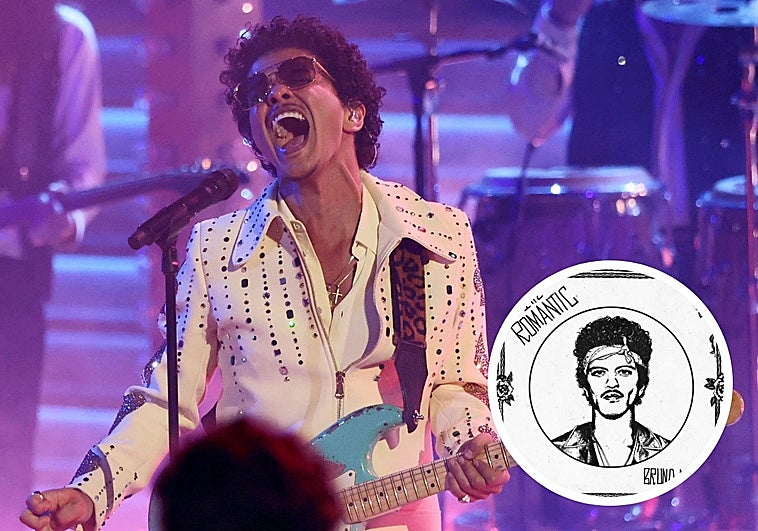
Bruno Mars Ends a Decade Without a Solo Album with 'The Romantic'
Málaga