Latest news on global obesity: the epidemic is worsening
Obesity 2025, an Alarming Outlook
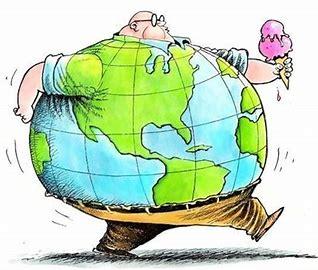

The 2025 World Obesity Atlas, recently published by the World Obesity Federation through its Global Obesity Observatory, presents an alarming outlook.
According to projections, by 2030, nearly 3 billion adults will be living with overweight or obesity, representing approximately 50% of the global adult population. This increase is not only a health problem but also an economic and social challenge that threatens to collapse health systems and affect global productivity.
Data from an epidemic
According to the report's ranking, the countries most affected by adult obesity are American Samoa (with a projection of up to 77%), Nauru, and Tokelau (both at 72%). Lower but still concerning figures are recorded in the United States (44%), Mexico (30%), and Spain (15%). These figures can be explained by a combination of factors, including unhealthy diets, limited access to fresh and healthy foods, and increasingly sedentary lifestyles.
As the obesity crisis expands, so do its consequences on public health. It is a determining factor for the emergence of non-communicable diseases (NCDs), including cardiovascular diseases, type 2 diabetes, and some types of cancer. The report's data reflect that 1.6 million premature deaths were related to a high body mass index (BMI), equivalent to 15% of all premature NCD deaths.
Moreover, the burden of associated pathologies is increasing in middle-income countries, especially in Latin America, Southeast Asia, and the Western Pacific. In these regions, rates are rapidly rising, putting pressure on already fragile health systems.
The scourge of childhood obesity
One of the most concerning aspects of this global health crisis is the increasing trend of childhood obesity, with alarming figures: for example, in the United States, 19.7% of children and adolescents are affected; in Mexico, 30%; and in Spain, 18.6%.
While previously considered a problem exclusive to wealthy countries, it is now increasing in regions of middle and low income. Changes in eating habits, increased consumption of ultra-processed products, and reduced physical activity have contributed to more children and adolescents being overweight or obese from an early age.
This not only increases the risk of chronic diseases in adulthood but also affects the mental health and quality of life of minors.
An overwhelming economic cost
The report on the economic impact of this pathology, prepared by the same Observatory, estimates that the cumulative global cost will be between 3 and 4% of the annual global GDP if significant measures are not taken.
This burden derives from multiple factors, such as increased health spending associated with the treatment of obesity-related diseases, loss of labor productivity due to disability and premature death, and indirect costs such as the impact on education and social welfare.
Moreover, obesity hampers countries' ability to achieve their sustainable development goals, as it limits equitable access to health and reduces economic growth potential.
Upper-middle and high-income countries will be most affected by the economic impact, with North America, Europe, and some emerging economies leading in health and social costs.
However, poorer states are also seeing an increase in obesity rates, without the necessary resources to tackle the problem. In these countries, excessive fat accumulation coexists with malnutrition, exacerbating the public health crisis and hindering the implementation of effective solutions.
Despite the growing crisis, many health systems are unprepared to provide adequate treatment. According to an analysis of 68 countries, the majority lack adequate services.
Major obstacles include the lack of accessible and quality treatment programs, the absence of medical coverage policies, a deficit in training for health professionals to address obesity as a chronic disease, and the stigmatization of affected individuals within the health system.
Only 13 countries have health systems with sufficient capacity to effectively manage obesity, while the rest have minimal or no preparation. This perpetuates the problem and increases the risk of long-term health complications for most of the world. In many cases, patients must cover the costs of their own treatment, limiting access to those who cannot afford specialized care.
Immediate solutions needed!
The evidence presented in the Atlas reinforces the need for immediate actions. The lack of preventive policies, limited access to adequate medical treatments, and stigmatization remain significant barriers. Without a structural change in how health systems and governments address obesity, the problem will continue to escalate with devastating consequences for public health and the global economy.
It is essential to implement policies that regulate the advertising of ultra-processed foods targeted at children, promote urban environments that encourage physical activity, and facilitate access to healthy foods at affordable prices. Health professionals also need the necessary training to offer comprehensive and evidence-based treatment.
Ultimately, the solution requires a global commitment and the adoption of effective strategies that address obesity from prevention to treatment, ensuring that no one is left behind in the fight against this growing epidemic.
Today, life expectancy has increased significantly, meaning there are more elderly people. This makes caring for the quality of life in old age more important than ever. It's not just about living more years, but living them in a healthy, happy, and fulfilling way.
In addition to caring for the body, aging healthily requires attention to the mind and emotions. Adopting a lifestyle that allows us to enjoy each stage is essential, and that includes exercising and strengthening social relationships.
If we focus on these aspects, each year of life can be more enriching than the last. Older people can continue to actively contribute to society, enjoying life and feeling fulfilled.

Latest news





Upcoming events
12
Nov
El Desembarco, la traición de Viriato at La Caja Blanca
12
Nov
HOMER El Mero Mero at Sala Trinchera Málaga
13
Nov
Marbella Startup Lab – Innovate & Collaborate
13
Nov
Candlelight: Coldplay & Imagine Dragons at Sala Fundación Unicaja María Cristina
13
Nov
Candlelight: Tribute to Ludovico Einaudi at Anantara Villa Padierna
Similar News


Bruno Mars Ends a Decade Without a Solo Album with 'The Romantic'
Málaga