Are we ready to say goodbye to tobacco forever?
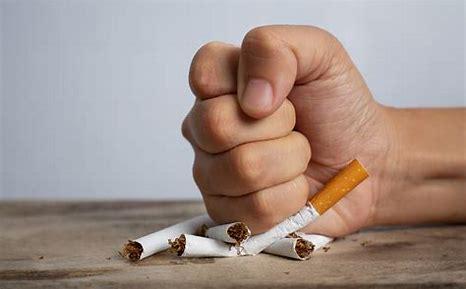

Can you imagine a
future in which tobacco would disappear? Today, it seems an unattainable utopia
in countries where consumption is still high. In Spain, for example, where
although there is a slight downward trend, still about 25% of people over 15
years of age smoke daily. If we look at Europe, the variability between
countries is significant: while in the United Kingdom about 13% of the
population smokes, in Serbia this figure rises to almost 37%. In Latin America,
consumption is somewhat lower, with Argentina and Chile being the only
countries with consumption above 20%. Faced with the evidence of how harmful
this habit is, over the last few years many countries have proposed to end
tobacco, in a strategy they have baptized as "tobacco endgame". The
goal is to take the leap and stop just controlling to, once and for all, put an
end to the tobacco epidemic.
An epidemic that kills
more than eight million people a year worldwide (about 56,000 people in Spain
alone). As if that were not enough, it causes multiple diseases and generates
significant economic costs and environmental impact. In fact, cigarette butts
are one of the most abundant plastic waste. Goal achieved: when less than 5% of
the population smokes Putting their feet on the ground, the goal is that less
than 5% of people smoke in a specific region from a certain date (mainly
between 2025 and 2040). But how?
On the one hand, it has
been recommended to follow the WHO Framework Convention on Tobacco Control, an
international treaty that includes basic measures such as monitoring
consumption, protecting people from tobacco smoke, offering help to quit
smoking, reporting the harmful effects of consumption and complying with
prohibitions on advertising and sponsorship. In Romania, just over 50% of these
measures have been implemented, while in the Netherlands it is around 82%.
On the other hand,
innovative solutions have been proposed, which go beyond the Framework
Agreement. For example, the radical increase in the price (the most effective
measure to reduce consumption), the reduction of the nicotine content of
cigarettes, the expansion of smoke-free spaces (to beaches, for example) and
the increase in the minimum age for the purchase of tobacco.
However, the most
striking proposal is the prohibition of the sale of tobacco to people born
after a certain year with the aim of achieving "tobacco-free
generations". This measure was proposed, for example, in New Zealand, for
people born after 2009. Unfortunately, the decision was reversed due to
political changes. Also in different countries in Europe, such as the United
Kingdom, it is being considered.
The benefits of
achieving the goal would be enormous. Among other reasons, because it has been
estimated that 40% of deaths from lung cancer could be prevented if tobacco
sales were stopped to those born between 2006 and 2010.
In Spain, after years
of inaction on tobacco control, the Comprehensive Plan for the Prevention and
Control of Smoking 2024-2027 proposes the "end of the tobacco game"
by 2040, somewhat later than France, which has set a deadline of 2032.
Goal achieved:
when less than 5% of the population smokes
Putting their feet on
the ground, the goal is that less than 5% of people smoke in a specific region
from a certain date (mainly between 2025 and 2040). But how? On the one hand,
it has been recommended to follow the WHO Framework Convention on Tobacco Control,
an international treaty that includes basic measures such as monitoring
consumption, protecting people from tobacco smoke, offering help to quit
smoking, reporting the harmful effects of consumption and complying with
prohibitions on advertising and sponsorship. In Romania, just over 50% of these
measures have been implemented, while in the Netherlands it is around 82%.
On the other hand,
innovative solutions have been proposed, which go beyond the Framework
Agreement. For example, the radical increase in the price (the most effective
measure to reduce consumption), the reduction of the nicotine content of
cigarettes, the expansion of smoke-free spaces (to beaches, for example) and
the increase in the minimum age for the purchase of tobacco.
However, the most
striking proposal is the prohibition of the sale of tobacco to people born
after a certain year with the aim of achieving "tobacco-free
generations". This measure was proposed, for example, in New Zealand, for
people born after 2009. Unfortunately, the decision was reversed due to
political changes. Also in different countries in Europe, such as the United
Kingdom, it is being considered.
The benefits of
achieving the goal would be enormous. Among other reasons, because it has been
estimated that 40% of deaths from lung cancer could be prevented if tobacco
sales were stopped to those born between 2006 and 2010.
In Spain, after years
of inaction on tobacco control, the Comprehensive Plan for the Prevention and
Control of Smoking 2024-2027 proposes the "end of the tobacco game"
by 2040, somewhat later than France, which has set a deadline of 2032.
Neither traditional
cigarettes nor other nicotine products
It is important to
clarify that the fight against tobacco must include any product that contains
nicotine. That is, electronic cigarettes, heated tobacco products and nicotine
sachets are included. Despite the fact that the industry promotes them as "reduced
risk", they can be a gateway to traditional tobacco consumption,
especially among young people.
In addition, the
regulation of these products poses, due to their disparity, different
challenges. Perhaps one of the most important is the advertising of these
products through social networks (through influencers, for example). This
problem is exacerbated due to the increasingly common use of screen devices and
social networks by young people.
Everything points to
the fact that, although there is still a long way to go to achieve the tobacco
endgame and the goal of "tobacco-free generations", the steps that
are being taken are going in the right direction.

Cláusula de Divulgación
Adrián González Marrón no recibe salario, ni ejerce labores de consultoría, ni posee acciones, ni recibe financiación de ninguna compañía u organización que pueda obtener beneficio de este artículo, y ha declarado carecer de vínculos relevantes más allá del cargo académico citado.
Nuestros socios


Latest news





Upcoming events
12
Nov
El Desembarco, la traición de Viriato at La Caja Blanca
12
Nov
HOMER El Mero Mero at Sala Trinchera Málaga
13
Nov
Marbella Startup Lab – Innovate & Collaborate
13
Nov
Candlelight: Coldplay & Imagine Dragons at Sala Fundación Unicaja María Cristina
13
Nov
Candlelight: Tribute to Ludovico Einaudi at Anantara Villa Padierna
Similar News

Bruno Mars Ends a Decade Without a Solo Album with 'The Romantic'
Málaga