Are artificial sweeteners okay for our health? Here’s what the current evidence says
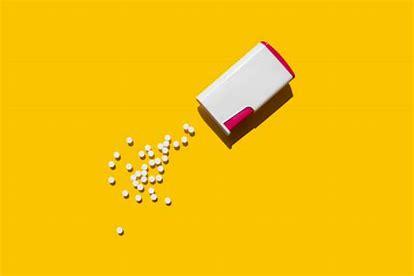

Artificial sweeteners
are being added to a growing number of foods to reduce their sugar content
while maintaining their appealing taste. But a growing body of research
suggests these non-nutritive sweeteners may not always be a healthier and safer
option. So what is our best option if we want to enjoy sweet-tasting foods
without the harms of eating sugar?
Artificial sweeteners
were originally developed as chemicals to stimulate our sweet-taste sensing
pathway. Like sugar molecules, these sweeteners act directly on our taste
sensors in the mouth. They do this by sending a nerve signal to the body that a
high-carbohydrate food source has been consumed – telling the body to break it
down to use for energy.
In the case of sugar
consumption, this also stimulates our dopaminergic system. This is the part of
the brain responsible for motivation and reward, linked to sugar cravings. From
an evolutionary perspective, this means we’re hardwired to seek out high-sugar
food for a source of energy and to ensure our survival. However, excessive
consumption of sugar is well known to lead to health problems, such as
metabolic disruption which can cause obesity and diabetes.
Similarly, when
artificial sweeteners, rather than sugar, cause this stimulation, there’s
increasing evidence of similar metabolic imbalances. This happens despite the
fact that artificial sweeteners do not seem to stimulate the dopamine system.
Indeed, a study
published earlier this year showed that within two hours of consuming sucralose
(an amount equivalent to the sugar in two cans of soft drink), participants
exhibited increased physiological hunger responses. The research measured blood
flow to the hypothalamus, the region of our brain responsible for appetite
control. They found that sucralose increased blood flow to this area of the
brain.
Studies have also shown
that sweeteners can stimulate the same neurons as the appetite hormone, leptin.
Over time, this could cause our hunger threshold to increase – meaning we need
to eat more food to feel full. This suggests that consuming artificial sweeteners
makes us more hungry, which could ultimately make us consume more calories.
And it doesn’t stop
with feeling hungrier. A large study, which was conducted over 20 years, found
a link between sweetener consumption and greater accumulation of body fat.
Interestingly, the study found that people who regularly consumed large amounts
of sweeteners (equivalent to three or four cans of diet soda per day) had a
nearly 70% greater incidence of obesity compared to those who consumed minimal
amounts of artificial sweeteners (equivalent to half a can of diet soda per
day).
The study also
considered this response to be independent of the amount of calories the
participants consumed each day. To verify this, they reviewed food
questionnaires to assess self-reported dietary intake. While self-reported
consumption can have discrepancies, the study also used a coding nutrition data
system to verify dietary intake. The results indicate that artificial
sweeteners may be making us more likely to form fat in our body – regardless of
what we’re consuming alongside the artificial sweeteners.
A person holds a
can of zero sugar soft drink.

Artificial sweetener
consumption is linked with obesity. Bauwimauwi/ Shutterstock
A study published
earlier this month also found that daily consumption of artificially sweetened
drinks positively correlated with the incidence of type 2 diabetes. But given
these drinks contain a range of additives – including acidifiers, dyes, emulsifiers
and sweeteners – it’s uncertain if this link can be entirely attributed to
artificial sweeteners.
What you need to
know
So is it time to give
up sweeteners completely? Maybe not. There are many studies which add to the
controversy by showing that short-term substitution of sugar with artificial
sweeteners reduces body weight and body fat.
Numerous studies have
also shown that artificial sweetener consumption has no association with the
development of diabetes or even with indicators of diabetes, such as fasting
glucose or insulin levels. However, many of these studies were performed over relatively
short time periods (up to 12 months) and only compared people consuming
artificial sweeteners versus sugar. This makes it hugely confusing for all of
us to know what we should do.
To address this,
earlier this month, the Scientific Advisory Committee on Nutrition (SACN),
which advises the UK government on nutrition, released a position statement on
the use of non-sugar sweeteners. This was in response to the World Health
Organization, which suggested that sweeteners shouldn’t be used as a means of
weight control due to their low-level association with risk of developing
obesity and type 2 diabetes.
The SACN similarly
concluded that non-sugar sweetener intake be minimised, especially for
children. But they also stated that intake of sugars in general needs to be
reduced. This is really at the heart of the issue. Artificial sweeteners may
have significant negative health impacts, but are they as bad for us as sugar?
The overwhelming literature on the negatives of excess sugar consumption
currently suggests no – but our understanding of artificial sweeteners is still
not as extensive as that for sugar.
We need more research
on artificial sweeteners to better understand their effects. Work is currently
ongoing to collate a database of all clinical trials investigating sweetener
use. This will allow us to better understand the sweetener research landscape
and highlight areas where more work is needed.
Until then, what should
we do if we have a sweet-tooth? Unfortunately, like everything with nutrition,
it’s best to only consume artificial sweeteners in moderation.
There are no clear
guidelines on the amounts of sweeteners we should or shouldn’t be consuming
yet. But one of the guidelines from the recent SACN review is that the industry
clearly label the amount of artificial sweeteners in food and drink. So hopefully
it will be easier for us to make these choices in the future.


Disclosure statement
The authors do not work for, consult, own shares in or receive funding from any company or organisation that would benefit from this article, and have disclosed no relevant affiliations beyond their academic appointment.
Partners

Anglia Ruskin University (ARU) provides funding as a member of The Conversation UK.

Latest news





Upcoming events
12
Nov
El Desembarco, la traición de Viriato at La Caja Blanca
12
Nov
HOMER El Mero Mero at Sala Trinchera Málaga
13
Nov
Marbella Startup Lab – Innovate & Collaborate
13
Nov
Candlelight: Coldplay & Imagine Dragons at Sala Fundación Unicaja María Cristina
13
Nov
Candlelight: Tribute to Ludovico Einaudi at Anantara Villa Padierna
Similar News


Bruno Mars Ends a Decade Without a Solo Album with 'The Romantic'
Málaga