What to See and Do in Torremolinos: 12 Experiences Combining History, Sea and Nature
Beaches for every mood, historic fishing districts, gardens, heritage sites and a lively cultural calendar make Torremolinos far more than a sun-and-sea destination. This guide brings together 12 experiences offering different ways to explore one of the Costa del Sol’s most popular towns.
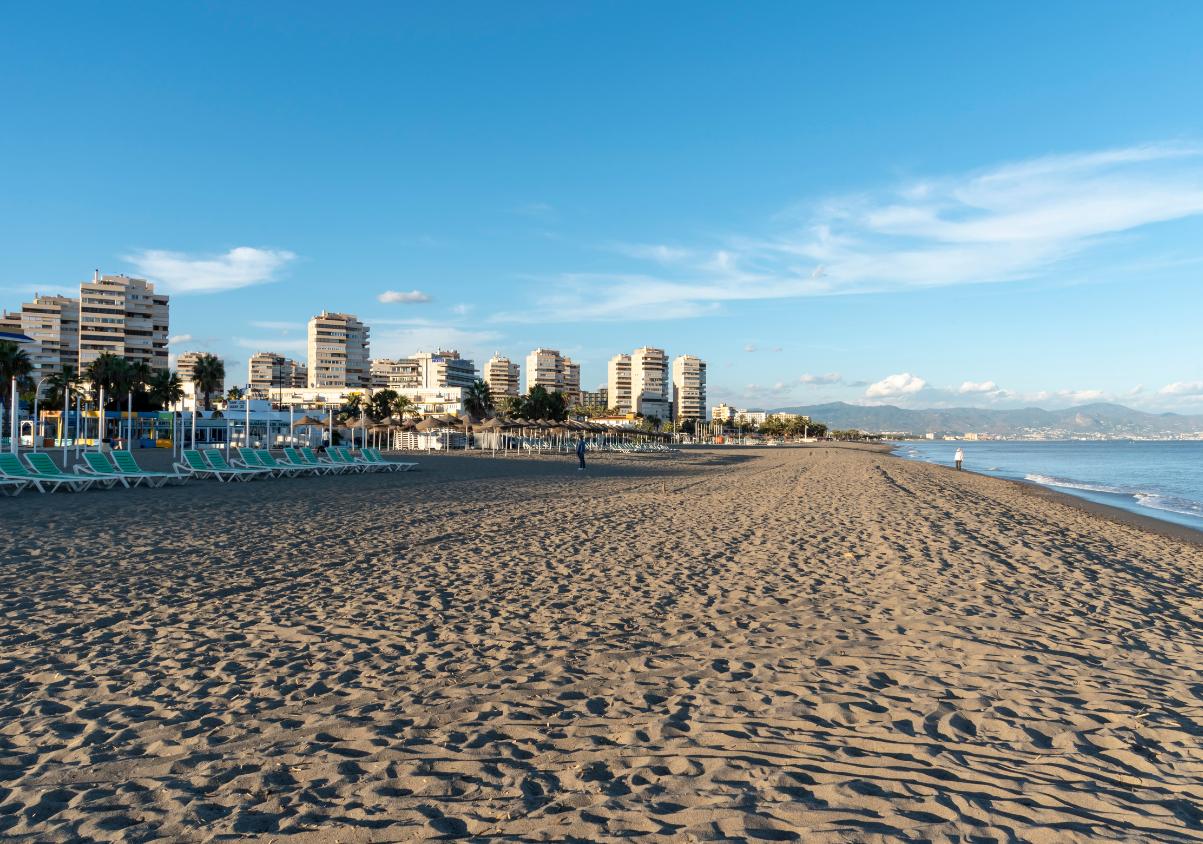

Torremolinos played a leading role in the development of tourism on the Costa del Sol, yet its appeal extends well beyond hotels and the seafront. Between the town centre, the beaches and the lower slopes of the surrounding hills, visitors can combine heritage, gastronomy, nature, shopping and family entertainment.
Those wondering what to see and do in Torremolinos can follow a route that begins in its best-known streets, descends towards the Mediterranean and ends at some of the town’s main green and cultural spaces.
From the historic centre to the seafront
1. Walk along Calle San Miguel and down Cuesta del Tajo
Calle San Miguel is the main pedestrian and shopping street in central Torremolinos. Shops, cafés, ice cream parlours and small businesses line the route from Plaza Costa del Sol towards the Church of San Miguel Arcángel and Pimentel Tower.
From here, Cuesta del Tajo descends between traditional corners and shops to El Bajondillo Beach. The route moves from the town centre to the seafront in just a few minutes and provides an ideal introduction to Torremolinos.
2. Discover Pimentel Tower
Also known as Torre de los Molinos, this former defensive structure is closely connected to the origin of the name Torremolinos. Its location between Calle San Miguel and Cuesta del Tajo recalls the strategic importance of this stretch of coastline over the centuries.
The tower itself does not require a lengthy visit, but its surroundings reveal the relationship between the historic settlement, its old water mills and the route leading down to the sea.
3. Visit Casa de los Navajas
One of the town’s most distinctive buildings stands on a cliff close to El Bajondillo. Casa de los Navajas was built in 1925 for the Luque-Navajas family and is notable for its Neo-Mudéjar architecture and Mozarabic influences.
The mansion overlooks the Mediterranean and hosts exhibitions, concerts and other events. Visitors should check the latest access arrangements, as opening times may vary. The official Torremolinos tourism website lists it among the town’s principal architectural landmarks.
Beaches, seafront walks and local food
4. Choose a beach to suit the occasion
Each of Torremolinos’ main beaches has its own character. El Bajondillo is conveniently located near the centre; Playamar combines beach bars, visitor services and water sports; Los Álamos has a livelier atmosphere; and La Carihuela retains much of the town’s traditional fishing identity.
This variety makes it possible to plan anything from a quiet family day by the sea to an afternoon of water sports or an evening combining music and beachfront entertainment.
5. Eat sardine skewers in La Carihuela
La Carihuela is an essential stop for anyone interested in the local cuisine. The former fishing district is home to numerous restaurants and chiringuitos serving specialities such as fried fish and espetos—sardines skewered and cooked over an open fire beside the beach.
Beyond the restaurants, the neighbourhood’s narrow inner streets are worth exploring for their low-rise houses and corners that still evoke its maritime past.
6. Walk or cycle beside the Mediterranean
The seafront promenade connects much of Torremolinos’ coastline and can be explored on foot or by bicycle. It is particularly enjoyable around sunset, when temperatures begin to fall and the terraces gradually fill.
The route can be adjusted to the time available, from a short walk around El Bajondillo to a longer journey connecting La Carihuela, Playamar and Los Álamos
Nature and family activities
7. Climb the observation tower in Parque de la Batería
Parque de la Batería is one of Torremolinos’ largest green spaces. It has walking paths, sports facilities, children’s play areas and an artificial lake. Its most recognisable feature is a 15-metre observation tower overlooking the town and the Bay of Málaga.
Its location near La Carihuela and Montemar Alto railway station makes it easy to include in a day’s itinerary. Admission to the park is free, although some facilities may only operate on certain days or at specific times.
8. Explore Molino de Inca Botanical Garden
Molino de Inca Botanical Garden offers a complete change of scenery from the beaches and busy avenues. Covering approximately four hectares, it contains plants, fountains, ponds, themed areas and a historic mill connected to the traditional use of water in Torremolinos.
It is a particularly appealing option for anyone seeking a peaceful, shaded walk during the hottest part of the day.
9. Hike through Cañada del Lobo or explore the pine forests on horseback
The higher ground above Torremolinos provides access to natural surroundings with views across the Málaga coastline. Cañada del Lobo is one of the best-known local spots for hiking and seeing the Mediterranean from a different perspective.
Horse-riding routes through the pine forests and along the beach are also available. These experiences usually require advance booking and depend on individual operators.
10. Set aside a day for the theme parks
Aqualand and Crocodile Park add further options for families. Aqualand features swimming pools, slides and areas designed for different age groups, while Crocodile Park focuses on observing and learning about crocodiles and other reptiles.
The two attractions are located close to one another but have separate entrances and admission tickets. Opening periods and schedules may change throughout the year, so visitors should check the official information before making plans.
Culture, traditions and nightlife
11. Check the programme at the Pablo Ruiz Picasso Cultural Centre
The Pablo Ruiz Picasso Cultural Centre hosts exhibitions, theatre performances, workshops and other activities. A visit reveals a less familiar side of Torremolinos and provides a cultural alternative to its many outdoor attractions.
The town’s calendar also features traditional celebrations, including the procession of the Virgen del Carmen on 16 July and the San Miguel Fair and Pilgrimage, generally held in late September.
12. Experience the nightlife of La Nogalera and Los Álamos
Nightlife is an important part of modern Torremolinos. Plaza de La Nogalera and the surrounding streets are home to bars, terraces and venues particularly associated with the town’s LGBTQ+ scene, while Los Álamos is known for its beach clubs and seafront venues.
Together, these areas offer plenty of options for drinks, music and post-dinner entertainment. Checking the local calendar of concerts, festivals and events can help visitors plan their stay around the time of year.
How to organise a visit to Torremolinos
A day in Torremolinos could begin in Plaza Costa del Sol, continue along Calle San Miguel to Pimentel Tower and then descend towards El Bajondillo and Casa de los Navajas. From there, the seafront promenade leads to La Carihuela, where the town’s fishing heritage takes centre stage at the table.
For a longer stay, Parque de la Batería, Molino de Inca and Cañada del Lobo reveal the town’s greener side, while the cultural programme and nightlife complete a varied leisure offering that remains active throughout much of the year.

Latest news





Upcoming events
17
Sep
La Pequeña Cuba Gastro-Cultural Festival in San Pedro Alcántara 2026
18
Sep
World Wellness Weekend Marbella 2026
18
Sep
Candlelight: Queen vs. ABBA in Málaga
18
Sep
Candlelight: Coldplay and Imagine Dragons in Málaga
18
Sep
3 de Corazones – Pancho Céspedes, Enrique Ramil and José Luis Jaén in Málaga