Atajate, the tiny Málaga village where must wine and women’s memories fill the streets
Set in the Serranía de Ronda, this village of fewer than 200 residents preserves the charm of Andalusia’s whitewashed towns, a deep-rooted winemaking tradition and a unique project honouring the women of each family.
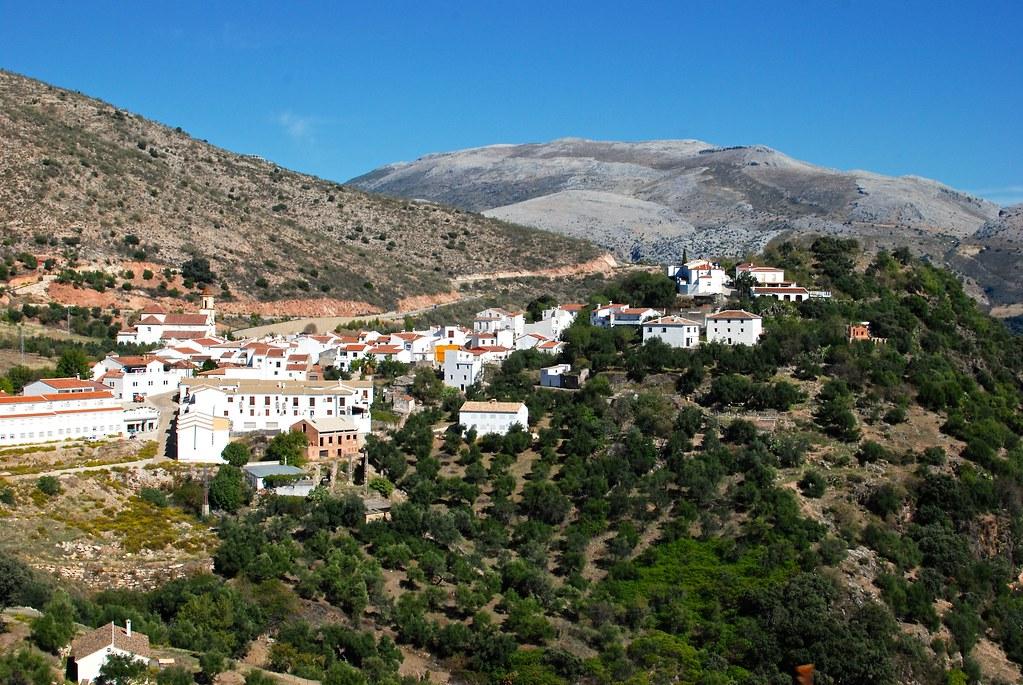

Between the Guadiaro and Genal valleys, surrounded by mountains, forests and limestone formations, lies Atajate, one of the least populated municipalities in Málaga province. Its small size contrasts with the richness of a heritage that combines nature, history, gastronomy and traditions passed down through generations.
According to provincial records published in 2025, the village had 187 inhabitants. Far from diminishing its appeal, this small population has allowed Atajate to preserve its slow pace of life, close-knit community and the traditional appearance of inland Málaga’s white villages.
Its whitewashed façades, terracotta-tiled roofs, cobbled streets and balconies decorated with flowerpots create a setting that seems untouched by urban development. These qualities, together with its cultural and natural heritage, have earned Atajate a place in the Pueblos Mágicos de España network.
A village shaped by must wine
To speak of Atajate is inevitably to speak of must wine. The production of the first wine obtained after the grape harvest has been part of the village’s economy and daily life for centuries.
Although the phylloxera plague destroyed much of the Serranía de Ronda’s vineyards in the late 19th century, several local families kept the tradition alive. Production is now much smaller than it once was, but must wine remains one of the town’s main cultural and gastronomic symbols.
Visitors can learn more about this heritage through the Museo del Mosto, an open-air exhibition integrated into the village streets. The route includes traditional clay jars, old tools, a historic wine press, information panels and mosaics illustrating the different stages of production, from harvesting the grapes to fermentation.
Rather than a conventional museum, it is an outdoor trail that reveals how viticulture and winemaking shaped the work, customs and social life of local residents for generations.
The women whose names appear on the houses
One of the municipality’s most distinctive initiatives is Atajate con nombre de mujer, or “Atajate with a woman’s name”, a project that preserves the memory of mothers, grandmothers, aunts and other women connected to the village’s families.
Many houses display ceramic plaques bearing women’s names on their façades. Walking through Atajate therefore becomes a collective tribute to those who, for decades, sustained family homes, agricultural work and much of community life in the rural area.
The initiative helps protect family stories that might otherwise disappear over time. It also gives the streets a unique identity while publicly recognising a role that was often overlooked for many years.
Fountains, washhouses and historic buildings
Despite its compact size, Atajate preserves several heritage sites linked to its past. One of the most notable is the public washhouse, built in 1932 using local stone and lime.
For decades, it served not only as a place for household work, but also as an important social space where local women met and shared daily life.
The washhouse receives its water from the Fuente de las Perdices, one of the springs historically associated with the village’s water supply.
In Plaza de la Constitución, visitors can see the Cruz de Piedra, a limestone cross dating from the 16th century. Another key landmark is the Church of San Roque, built around 1830 on the site of the old cemetery after the previous church disappeared. Local residents took part in its construction, reflecting the village’s strong sense of community.
Nature and adventure in the Serranía de Ronda
The landscape surrounding Atajate is another of its main attractions. The municipality extends across limestone mountains, ravines and wooded areas filled with chestnut trees, holm oaks and cork oaks.
One of the most distinctive natural areas is the Torcal de Atajate, a landscape shaped by striking limestone formations. From the Mirador del Genal, visitors can enjoy sweeping views over the valley and its forests, which become especially impressive in autumn.
Travellers looking for a more active experience can explore the Atajate via ferrata, a climbing route equipped with metal steps, safety cables and other fixed elements that allow participants to cross steep sections of the mountain landscape.
Cuisine rooted in the mountains
Local gastronomy remains closely connected to the products and traditional recipes of the Serranía de Ronda.
Typical dishes include garlic-roasted kid, migas and hot gazpacho, simple but hearty recipes historically associated with rural life.
Must wine completes the gastronomic experience and continues to play a leading role in celebrations, taverns and neighbourhood gatherings. Its presence is a reminder that, in Atajate, food and drink are not merely tourist attractions, but a fundamental part of the village’s identity.
How to get to Atajate
Atajate is located around 120 kilometres from Málaga city. One of the most common routes is to travel towards Ronda and then continue along the A-369 road, which crosses several villages and landscapes in the Serranía.
The journey itself is part of the experience. Winding roads, mountain views and scenic viewpoints lead to a village where visitors can still walk without rushing, discover stories written across its façades and experience a way of life deeply connected to the land.
Information source: Málaga Hoy, Pueblos Mágicos de España and Málaga Provincial Council.

Latest news

Upcoming events
17
Sep
La Pequeña Cuba Gastro-Cultural Festival in San Pedro Alcántara 2026
18
Sep
World Wellness Weekend Marbella 2026
18
Sep
Candlelight: Queen vs. ABBA in Málaga
18
Sep
Candlelight: Coldplay and Imagine Dragons in Málaga
18
Sep
3 de Corazones – Pancho Céspedes, Enrique Ramil and José Luis Jaén in Málaga
Similar News

Ceuta Day: the story of a city between two continents that deserves to be seen more than ever today
Teatro del Soho in Málaga This July: El Brujo's World Premiere and a Symphonic Tribute to Gershwin
Santiago Zucchi, the Chef Arriving From Mallorca to Reinvent the Kitchen at the Costa del Sol's Most Iconic Beach Club