


Historical Discovery in the Treasure Cave of Rincón: Human Footprints Documented from More Than 40,000 Years Ago
The research team dates the samples that explorers left in nine places, with the oldest marks being from the Mediterranean. The Treasure Cave of Rincón de la Victoria celebrates 50 years: from a family gift to a heritage jewel.
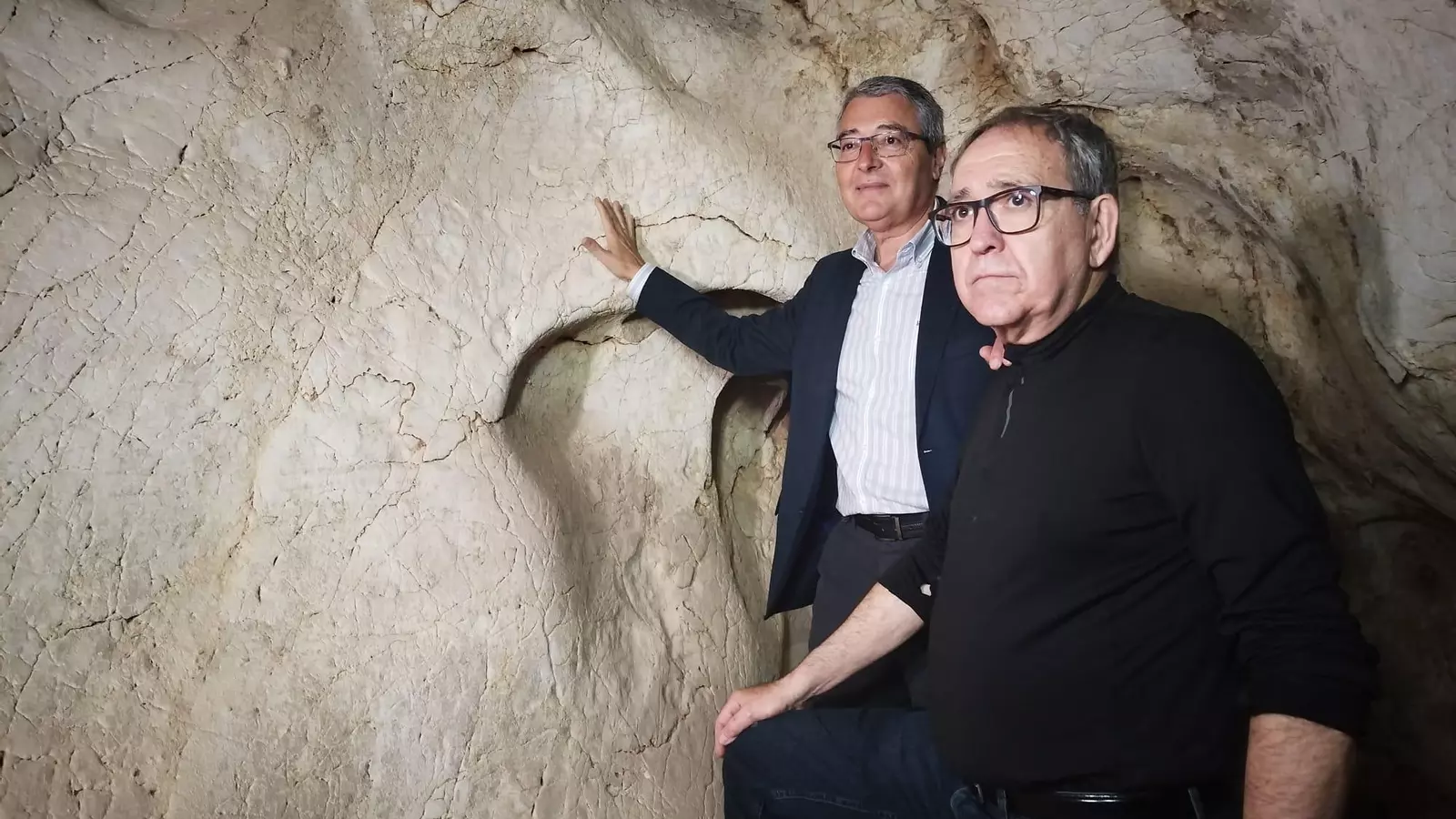

Rincón de la Victoria/New discovery in the caves of Rincón de la Victoria. The research team led by Pedro Cantalejo continues to advance in the studies of the municipality's cavities. Months ago, they demonstrated that the caves of Rincón were used for more than 36,000 years, and now they have managed to confirm human footprints from more than 40,000 years ago, the oldest dated in the Mediterranean.
The team has dated the samples left by explorers in nine different places. Thus, the Rincón City Council confirms human presence in 11 of the 44 cavities that make up the Cantal caves, as presented by the mayor of the municipality, Francisco Salado, and explained by Pedro Cantalejo, who leads the research team.
"We have been able to confirm that a human presence relied at some point, in a stage between 70,000 and 35,000 years before the present, leaving marks on a wall, which would have been much wetter than it is today. Thus, 40,000 years later they have become completely fossilized," the researcher highlighted.
In this regard, Cantalejo detailed that the footprints show "a gesture like grabbing an orange. There are also hands in an illogical posture," he added. Even one mark is placed more than two meters high, "they would propel themselves as if it were a game," the researcher assesses, who had to climb a ladder to show it.
Human footprint demonstrated / Ignacio MartínThe study is renewed
Since last October, an intense scientific review has been carried out in the Treasure and Victoria caves, confirming a prolonged human occupation of more than forty thousand years in the archaeological levels located under the entrance wells to the cavities and the completion of at least eight exploration incursions into the deep areas.
The study on rock art in the Victoria cave and the Treasure cave will continue until the end of the year, confirmed by Salado, although the team has already requested an extension of the research. The Council of Caves has given the green light to provide more funding, as assured by the delegated councilor, Antonio José Martín, and the mayor, Salado. Additionally, Cantalejo added that "sending samples for analysis costs 900 euros, and we have already sent 14," a vital action to advance the research.
According to Cantalejo, the work will be presented with greater precision later, with all kinds of details in 2026. "There are 67 places in the cave that we have been able to rescue everything in a first part, already cataloged," added the researcher. Thus, the conclusions will be disseminated by the Territorial Delegation of Culture of the Junta de Andalucía with greater precision on October 9, coinciding with the International Day of Prehistoric Rock Art.
The field research team is composed of: María del Mar Espejo, Luis-Efrén Fernández, José Ramos, Cristina Liñán, Yolanda del Rosal, José Antonio Molina, Antonio Aranda, and Pedro Cantalejo, to whom numerous specialists from various Spanish and German universities are added.
It is worth noting that both prehistoric caves are owned by the Rincón de la Victoria City Council. "The research would not be possible without the collaboration, permission, and great help that they provide us from the City Council," the research group highlighted.
Findings found in the caves of Rincón
The new findings of Paleolithic Art in the tourist galleries of the Treasure Cave include: signs made with fingers, engravings made with lithic tools, red marks and black lines, to which hand and finger impressions on nine walls (so far) that during a part of the Paleolithic were soft due to more humid climatic reasons than at present, must be added. All these spaces that received human activities are located in the middle and final section of the large cavity, which has a route of more than a kilometer.
In the same Treasure Cave, in its first room, stratified archaeological sediments were previously documented that have been dated through Carbon14, granting a very long occupation of this cavity by the last Neanderthals and the first Homo sapiens (a series of human occupations chronologically located between 44,100 and 6,900 years before the present).
Thus, also in the first room stand out two shell middens with hundreds of specimens of mollusks, crustaceans, and fish that are being studied, remains of an entrance well that preserves the original rubble plug have also been documented.
In the Victoria Cave, progress has been made in the study of Paleolithic Art, obtaining three key dates through the Uranium/Thorium method: the first grants a minimum age of 13,900 years before the present (Upper Paleolithic Magdalenian), the second a minimum age of 26,800 years before the present (Upper Paleolithic Gravettian) and the third grants a minimum age of 34,000 years before the present (Upper Paleolithic Aurignacian).
In the archaeological survey being carried out in the Hall of Shells, under the large well of the Victoria Cave, in addition to the previous periods, a transition phase linked to the period of climate change between the Upper Paleolithic (colder) and the Neolithic (current Mediterranean climate) has been documented and dated.
For his part, Cantalejo has recalled that at some point bears inhabited the caves of Rincón, and it also includes the oldest documented chameleon.
Thus, it is important to note that archaeological excavations had to be suspended in February, after rains caused flooding in the archaeological area. They are expected to resume in the coming weeks.

Latest news





Upcoming events
12
Nov
El Desembarco, la traición de Viriato at La Caja Blanca
12
Nov
HOMER El Mero Mero at Sala Trinchera Málaga
13
Nov
Marbella Startup Lab – Innovate & Collaborate
13
Nov
Candlelight: Coldplay & Imagine Dragons at Sala Fundación Unicaja María Cristina
13
Nov
Candlelight: Tribute to Ludovico Einaudi at Anantara Villa Padierna
Similar News
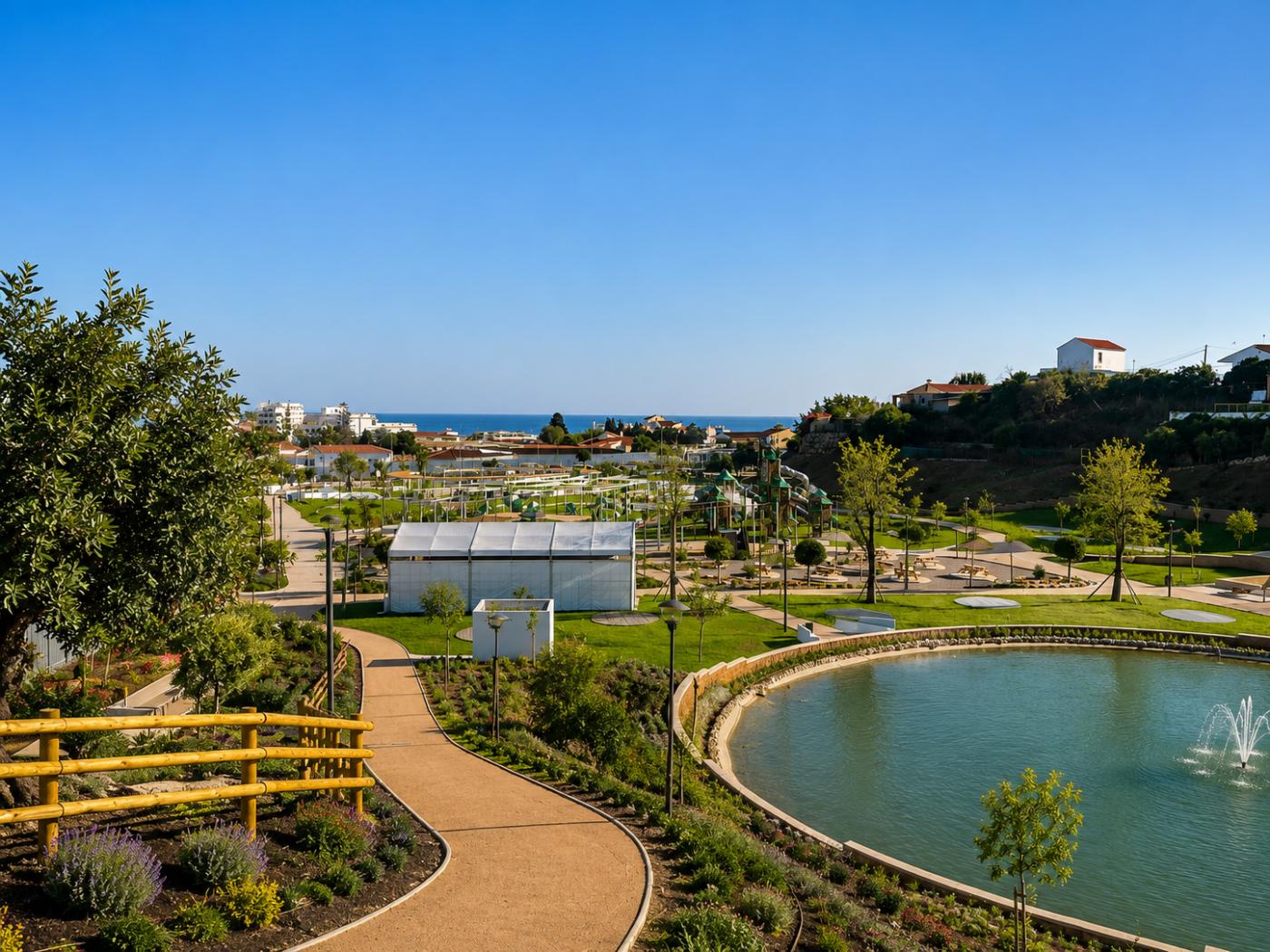
Rincón de la Victoria Opens a New Park Covering Almost 30,000 Square Metres
Rincón de la Victoria
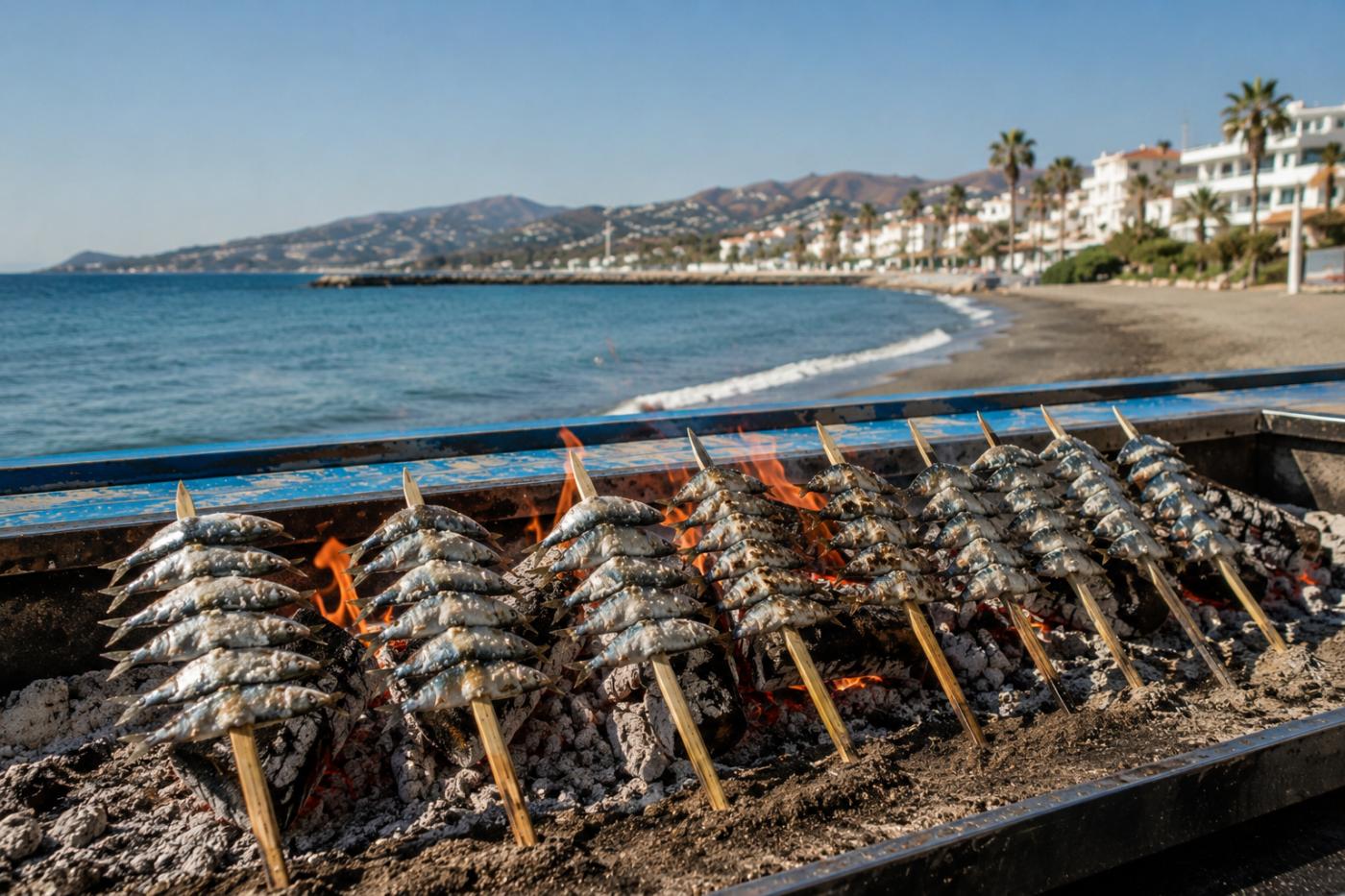
Málaga’s Famous Sardine Skewers Drive Costa del Sol Beach Restaurants, but the Craft Faces a Shortage of Workers
Rincón de la Victoria
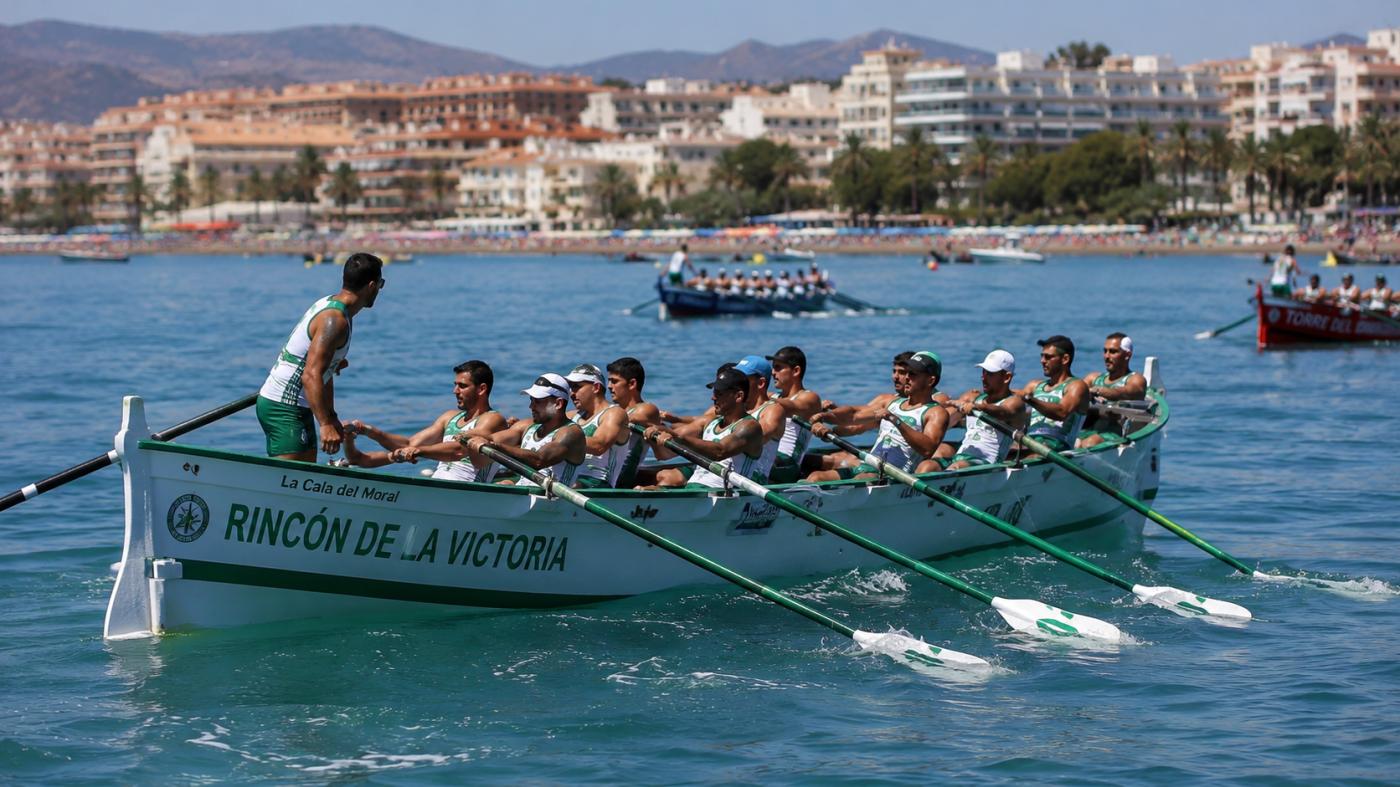
More Than 500 Rowers to Compete in Rincón de la Victoria’s Provincial Jábega League
Rincón de la Victoria
