


Concern about the condition of the walls of the Alcazaba of Ronda after the partial collapse of a tower
The City Council has asked the Moctezuma Foundation, owner of the lands, to improve conservation. What to see in Ronda: the city that would have killed Stendhal.
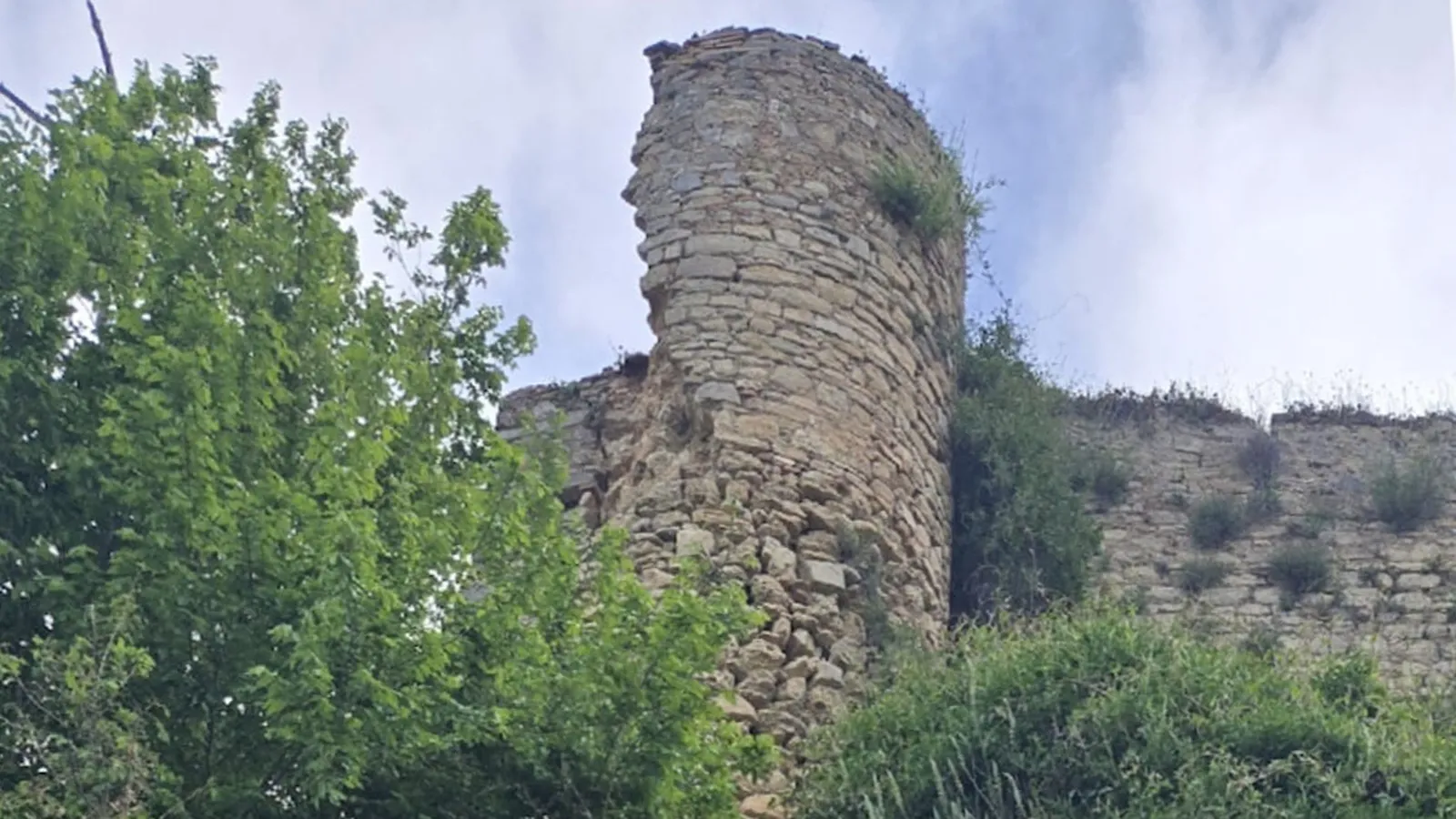

The City Council of Ronda has expressed its concern about the state of preservation of the remains of the Alcabaza within the grounds of the old El Castillo school, which are part of the walls. This comes after a partial collapse of its western circular tower. Given this situation, it has requested the Moctezuma Foundation, the owner, to ensure the preservation of these vestiges from the Arab era, probably from the 14th century, although their origins could date back to the 11th century.
Although these are not among the most well-known areas of the city, it is expected that once the planned five-star hotel is built in the area, they will receive significant enhancement.
The Municipal Delegation of Historical and Cultural Heritage, managed by councilwoman Alicia López, has issued a report explaining that the recent heavy rains have caused this collapse, which could have occurred between April 9 and 11.
A citizen's report alerted to the collapse last Sunday, and on Monday, municipal technicians verified this information.
“Following the visual inspection of the collapse, a loss of building material is observed, both in the core of the circular tower and in part of its external stone masonry coating, which is affecting its stability and the cohesion of its structure, greatly exacerbated by the accumulation and infiltration of abundant rainfall, particularly in 2026, with more than 1,000 liters per square meter recorded in the hydrological year, which has undoubtedly favored the partial collapse of the tower,” the report states.
Thus, the total collapse of this tower has not occurred “because it directly rests on the base rock of the terrain, where it stands,” they indicated, while noting that this tower shows two different construction phases: the first of Andalusian origin and the second from the modern era, “it cannot be determined with certainty whether it is a heightening from the Christian era or even later, linked to the French occupation.”
This report points out that after this visual recognition “we understand the need to act urgently on the tower and its surroundings to prevent the development of damage that could soon lead to the total ruin of this defensive sector of Ronda's urban walls” and adds that “at this moment, the partial collapse of the core of the tower causes the superficial deterioration of the stone masonry to continue advancing through losses of building material due to its exposure to weather agents. Moreover, this unprotected area will negatively impact the core of the structure due to the aforementioned environmental agents, which will lead to the emergence of new pathologies or accelerate the development of others still in their early stages.”
On the other hand, and in parallel, the Department of Urban Planning, as informed by councilman Jesús Vázquez, will send an execution order to the provincial delegation of Culture of the Junta de Andalucía to review the state of these remains, since they are located in the historical ensemble of Ronda, declared a Site of Cultural Interest (BIC).

Latest news





Upcoming events
12
Nov
El Desembarco, la traición de Viriato at La Caja Blanca
12
Nov
HOMER El Mero Mero at Sala Trinchera Málaga
13
Nov
Marbella Startup Lab – Innovate & Collaborate
13
Nov
Candlelight: Coldplay & Imagine Dragons at Sala Fundación Unicaja María Cristina
13
Nov
Candlelight: Tribute to Ludovico Einaudi at Anantara Villa Padierna
Similar News

The 'Formula 1' team from Ronda qualifies for the international final of Stem Racing
Ronda
Arias launches a butter made from goat's milk cream produced in Ronda
Ronda
New project to rehabilitate the Casa del Rey Moro, one of the jewels of Ronda
Ronda
