


The rehabilitation of the Ronda bullring progresses with the presentation of the project
First, the structure of the high wire will be consolidated, and then the deteriorated stone elements will be repaired and replaced. The intervention project in the Ronda bullring will be ready by spring.
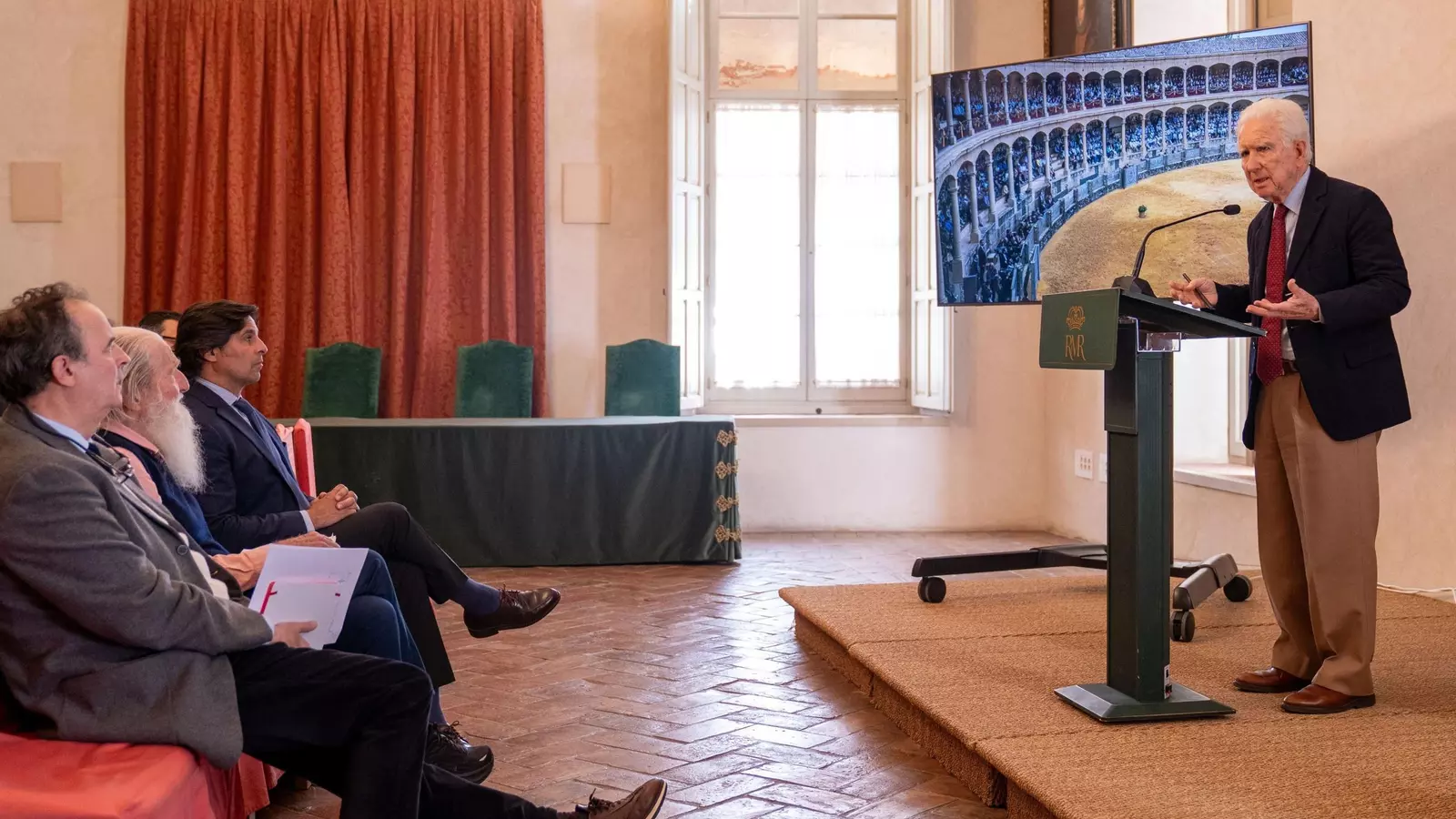

The Royal Cavalry of Ronda has presented the intervention project that will ensure the structural stability and long-term conservation of the Ronda bullring, declared a Site of Cultural Interest (BIC) with the category of Monument in 1993 and considered one of the great heritage emblems of the city.
The event featured the participation of Rafael Atienza, lieutenant senior brother of the institution; Ignacio Herrera, General Director; and Ricardo Aroca, the architect responsible for the project.
Aroca Architects presented an intervention proposal for the arena in two phases. First, the structural consolidation of the high stands through a solid steel circular diaphragm intended to stabilize the columns, counteract the thrusts of the wooden roof, and reinforce the connection between the arches and the masonry rings.
Subsequently, the second phase will consist of the repair and replacement of the deteriorated stone elements, thus improving the structural integrity of the architectural ensemble.
Given the irregular geometry of the arena, the project presents considerable technical complexity, which has required the individualized design of the 136 elements of the new bracing. For their installation, the existing reinforcements will be removed, using a system of temporary shoring compatible with the current and future structure.
In addition, some columns will need to be previously banded to ensure their integrity during the works. The entire process has been planned to allow the execution of the work to be compatible with the usual tourist activity at the monument under conditions of safety.
Ricardo Aroca emphasized that "the restoration of the Ronda Bullring is not a conventional work, but a complex technical challenge that requires time, precision, and deep respect for its heritage value. This intervention will ensure both the safety of the activities held there and the stability and conservation of the monument for future generations."
The intervention project for the conservation of the monument is the result of a technical process of research and analysis, conducted among others by the Department of Structures of the School of Architecture at the University of Seville, which has materialized in several specialized reports related to the structure, stone, geotechnics, and stability.
Rafael Atienza highlighted that "for 240 years, the Royal Cavalry has taken care of this Arena and will continue to do so with the same sense of responsibility. We face this work with the determination to preserve not only a monument but a living legacy, essential for Ronda."
The entire process has been supervised by a committee of expert architects chaired by Rafael Moneo and composed of Antonio Ortiz and Juan Pablo Rodríguez Frade. The intervention project has been endorsed by the College of Architects of Malaga and has a favorable report from the Ministry of Culture of the Junta de Andalucía.
The high arches of the Ronda Bullring have been subject to various interventions throughout its history. In 1880, Carlos Lamiable incorporated metal bracing (reinforcements) in alternate columns, and in 1961, Pons Sorolla and Ramiro Moya replaced the wooden stands with partitioned vaults and Lamiable's reinforcements with others at a higher height. However, these partial solutions did not definitively resolve the thrusts of the roof nor ensure the long-term stability of the columns.
Shared wish: that the Goyesca returns in 2026
According to the technical report prepared by the University of Seville, the development of the intervention project prevents the celebration of the traditional Goyesca bullfight, as well as any other large-scale event.
From the outset, the Royal Cavalry of Ronda has organized three working committees (technical, execution, and documentation) to address all phases of the project. The goal is for the intervention to be carried out as swiftly as possible, with the hope that the arena can once again host bullfighting festivities in 2026.
"This project is in the hands of those who best understand its technical complexity and historical value. With this intervention, not only is the Arena protected, but Ronda demonstrates its ability to anticipate a challenge that many other historical buildings will have to face sooner rather than later," Ignacio Herrera emphasized.

Latest news





Upcoming events
12
Nov
El Desembarco, la traición de Viriato at La Caja Blanca
12
Nov
HOMER El Mero Mero at Sala Trinchera Málaga
13
Nov
Marbella Startup Lab – Innovate & Collaborate
13
Nov
Candlelight: Coldplay & Imagine Dragons at Sala Fundación Unicaja María Cristina
13
Nov
Candlelight: Tribute to Ludovico Einaudi at Anantara Villa Padierna
Similar News
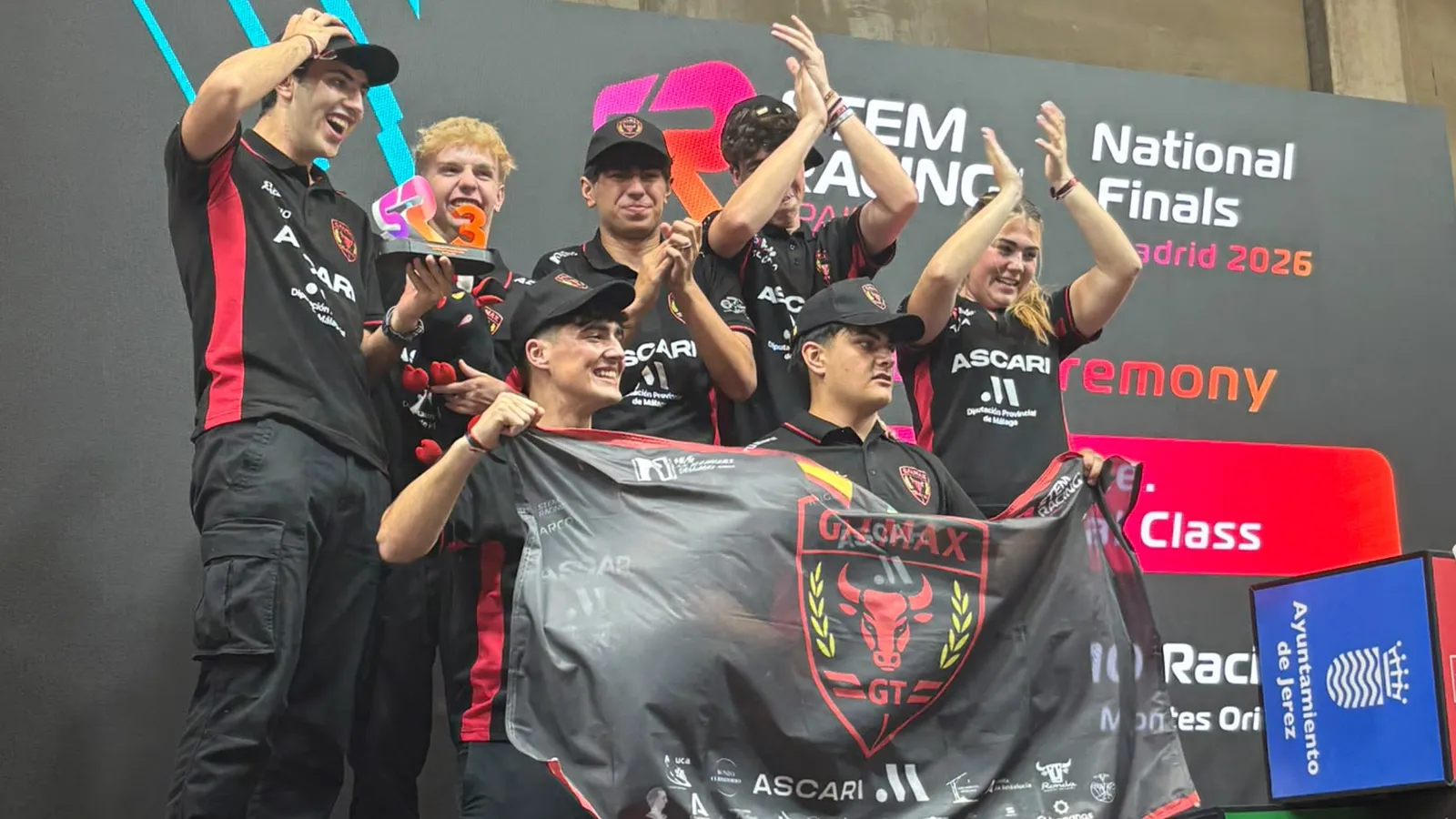
The 'Formula 1' team from Ronda qualifies for the international final of Stem Racing
Ronda
Arias launches a butter made from goat's milk cream produced in Ronda
Ronda
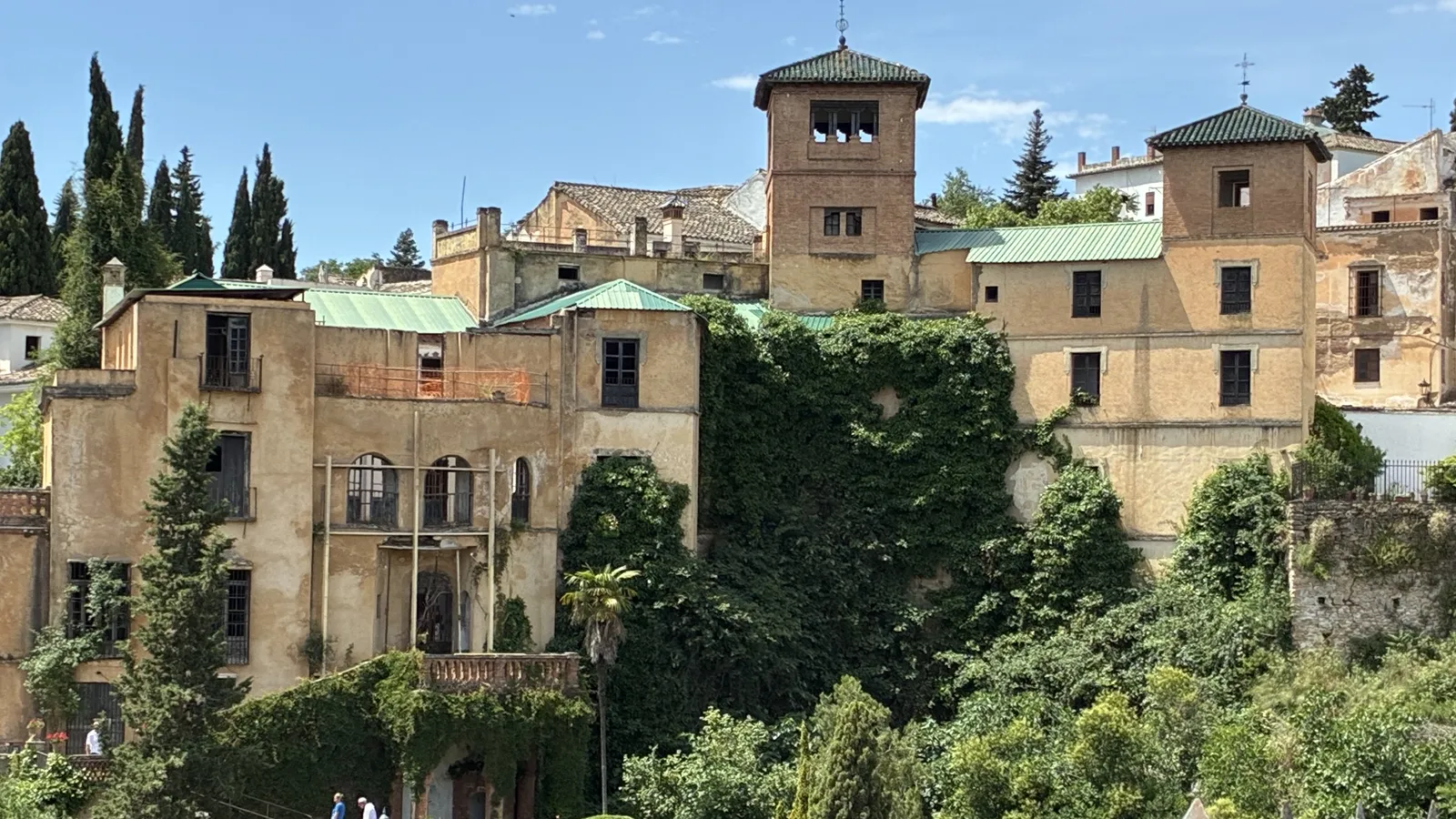
New project to rehabilitate the Casa del Rey Moro, one of the jewels of Ronda
Ronda
