And Rome perfumed the gods
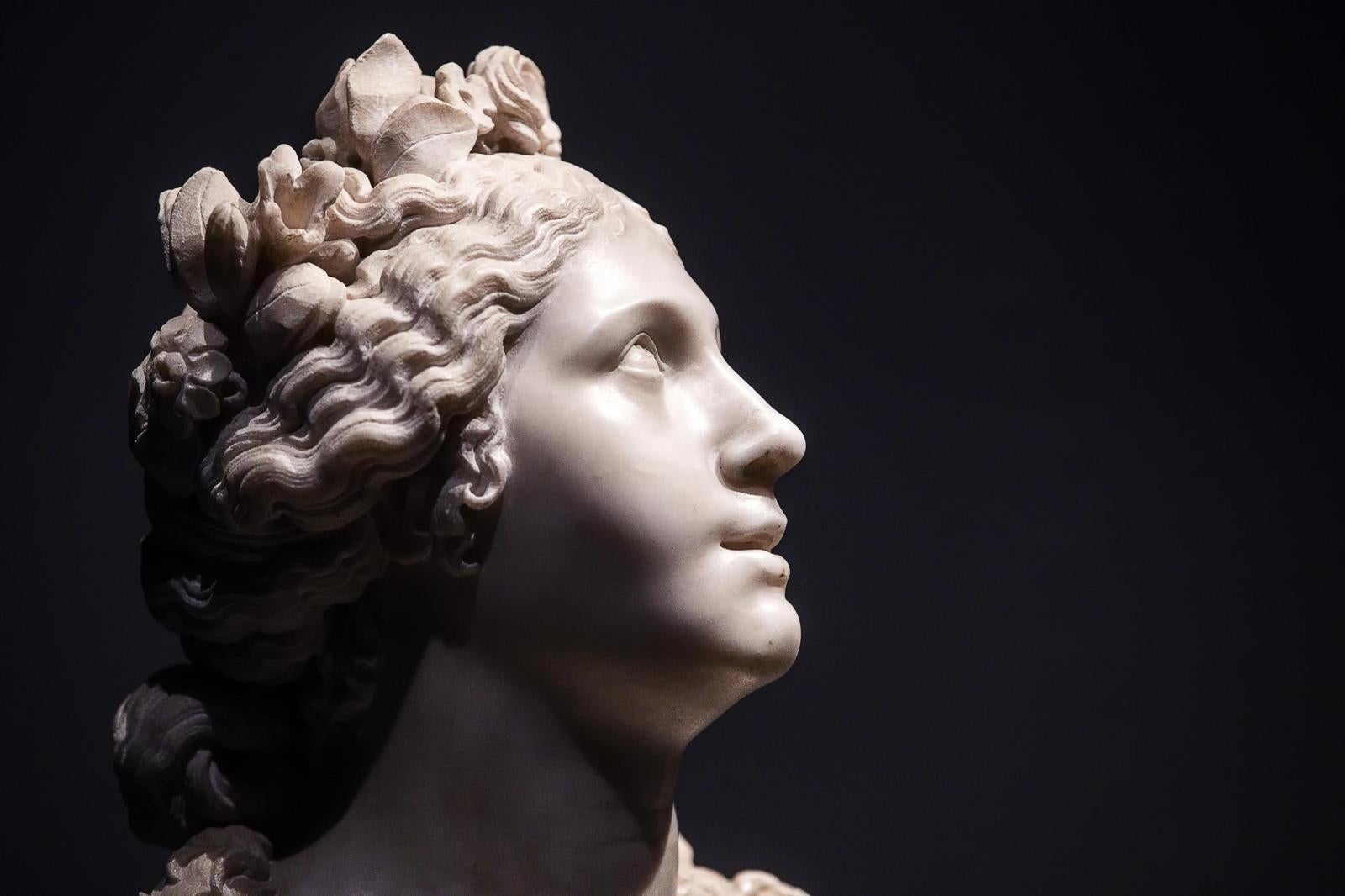

For many years it was believed that classical sculptures were made of white marble, but various studies have shown that the Romans preferred them polychromatic. This has been revealed by 3D technology, which has enabled the discovery of various pigments on the most famous pieces from Ancient Rome and Ancient Greece.
A new finding, published in the prestigious Oxford Journal of Archaeology, reveals that deities turned into objects of worship were bathed in olive oils, beeswax, sodium carbonate, and perfumes with a rose scent.
Although time has taken away these scents, their mark has been forever imprinted on the marble of some of them. On the surface of a sculpture of Queen Berenice II made in the 3rd century BC, residues of beeswax have been identified, suggesting that the statue might have been perfumed, according to Danish archaeologist Cecilie Brøns, the author of the research. "Perfume and scented oils are often mentioned as part of the 'decoration' applied to religious cult statues in antiquity," the researcher emphasizes.
Brøns' discovery was not only based on the detailed analysis of the sculptures but also involved reviewing ancient texts. Roman authors like Cicero already mentioned the practice of anointing statues with perfumed oils.
In the Sicilian city of Segesta, for example, a statue of Artemis, goddess of hunting and nature, was described as being treated with ointments and fragrant essences. Moreover, inscriptions in temples on the island of Delos, Greece, reveal that some statues were rubbed with rose perfume, suggesting that this practice was institutionalized in certain religious rituals. In this Hellenic enclave, considered a religious and commercial center, numerous perfumery workshops have been found in the area, reinforcing the idea that the fragrances used in these rituals were produced locally and were part of the ceremonial preservation of the sculptures.
Experience and Protection
Vitruvius and Pliny the Elder also mention in their works the use of wax and special oils to preserve the shine and coloration of sculptures, while also giving them a pleasant fragrance.
Documents, inscriptions, and poetry attest to the taste of ancient Mediterranean society for perfumes. Until now, it was known that perfumes were used for the human body, but this new research reveals that some classical statues were also perfumed, which would have made the experience around them not only visual but also olfactory, filling the air with their pleasant smell for those who viewed them, thus creating a truly multisensory experience.
Session Limit Reached
Access to Premium content is open courtesy of the establishment you are in, but currently, there are too many users connected at the same time.
Please try again in a few minutes.
Session Closed
When logging in from a different device, for security, the last session on this one was closed.
To continue enjoying your digital subscription, please log in on this device.
Log in More informationAlready a subscriber? Log in

Latest news





Upcoming events
12
Nov
El Desembarco, la traición de Viriato at La Caja Blanca
12
Nov
HOMER El Mero Mero at Sala Trinchera Málaga
13
Nov
Marbella Startup Lab – Innovate & Collaborate
13
Nov
Candlelight: Coldplay & Imagine Dragons at Sala Fundación Unicaja María Cristina
13
Nov
Candlelight: Tribute to Ludovico Einaudi at Anantara Villa Padierna
Similar News

Bruno Mars Ends a Decade Without a Solo Album with 'The Romantic'
Málaga