


Train your brain, turn off the screen
Over 50% of Spaniards neglect key habits for brain health, such as cognitive training, sleep, diet, or physical exercise, according to experts from the Spanish Society of Neurology.
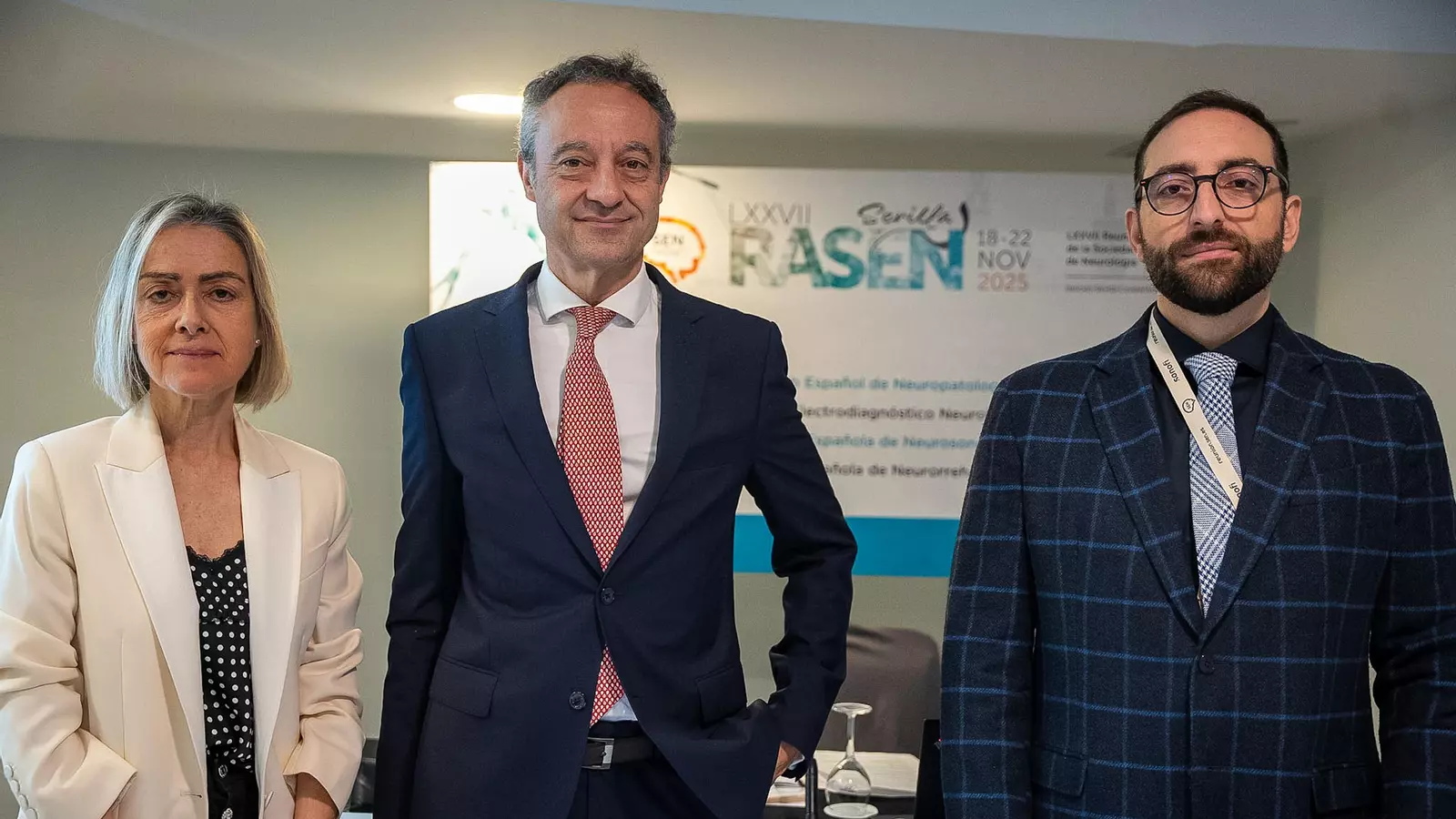

Brain health is cultivated only in daily life: in what we read, how much we move, how we sleep... and how many hours we spend in front of a screen. This is the central idea that the Spanish Society of Neurology (SEN) wanted to convey at its annual congress, which has been held these days in Seville, with the presentation of a population survey on brain-healthy habits in more than 1,000 adults.
The data presents a paradox. We are very aware of the risk, but do little in response. “Neurological diseases are the leading cause of disability worldwide and the second leading cause of global mortality,” reminded the president of the SEN, Jesús Porta-Etessam. In Spain alone, he estimated, 23 million people live with some neurological problem. “These are staggering figures, but we also know that prevention works; we could avoid between 80 to 90% of strokes and up to 40% of dementias if we change our habits,” he emphasized.
The society tends to have a reduced ability to concentrate and learning failuresThe study, designed to extrapolate its results to the general population, has allowed us to x-ray how we train—or neglect—our brain. The first block of results points to a clear deficit of intellectual stimulation. “Only just over a third of the respondents dedicate time each week to cognitive activities such as reading, writing, playing board games, learning a language, or playing an instrument,” explained Javier Camiña, communication board member of the SEN. More than 51% read less than three books a year and over 20% do not read any. Additionally, more than 60% admit to not having started learning anything new in the last twelve months.
For Porta-Etessam, this is a critical point. “Reading not only provides cognitive reserve; it also trains attention in a world where we all feel the need to respond to the mobile phone immediately,” he warned. “We need to convey to young people the importance of focusing attention and having future goals. Without that focus and a life project, the brain also suffers.”
Prevention can prevent prevalent pathologies such as strokes or dementiasAlongside the scant intellectual stimulus, the study points to screen time as a major silent enemy. Nearly two-thirds of the participants spend more than two hours a day watching television on weekdays, and that time increases on weekends, especially among those over 60. But among young people, the main player is different: the intensive use of social networks. “Almost 70% of the respondents spend more than half an hour a day on social networks and many young people exceed two hours a day,” detailed Camiña. “If we add up television and networks, a very significant part of leisure time goes into digital consumption, and that is not harmless.”
Neurologists remind us that excessive use of screens is associated with poorer attention, reduced concentration ability, and learning problems, in addition to worsening nighttime rest. “Using screens at night promotes sleep-onset and maintenance insomnia,” Camiña pointed out. The message is clear: we need to moderate digital consumption, especially at young ages. On this point, Porta-Etessam was particularly emphatic: “Below the age of 14 there should be a clear restriction on the use of new technologies, because it is a key stage of brain development.” This limitation, he argued, must be accompanied by solid alternatives: reading, sports, outdoor play, cultural and social activities.
The survey also analyzes other classic factors of brain health, such as sedentarism, diet, sleep quality, or toxic consumption. Only 36.7% engage in at least three hours of physical exercise weekly, more than 44% sit for more than six hours a day, and over half sleep less than the recommended eight hours, with 56% admitting they do not rest well. In terms of diet, although nearly 80% believe they follow a "moderately healthy" diet, almost half do not eat fruit every day, a third eat less vegetables than recommended, and a quarter consume pastries daily, with young people as the group with the worst dietary pattern.
But the experts insisted that the focus of the message is not alarmism, but opportunity. “The brain is a trainable organ,” emphasized Camiña. “Every book read, every language we start, every new activity we learn is an investment in cognitive reserve. Just as we talk about going to the gym to take care of the body, we should talk about exercising the brain.”

Latest news





Upcoming events
12
Nov
El Desembarco, la traición de Viriato at La Caja Blanca
12
Nov
HOMER El Mero Mero at Sala Trinchera Málaga
13
Nov
Marbella Startup Lab – Innovate & Collaborate
13
Nov
Candlelight: Coldplay & Imagine Dragons at Sala Fundación Unicaja María Cristina
13
Nov
Candlelight: Tribute to Ludovico Einaudi at Anantara Villa Padierna
Similar News

Marbella Launches ‘Summer Youth’ Programme with 2,500 Free Places
Marbella

Premium Tourism Drives Marbella’s Hotel Profitability to Record Levels as Overnight Stays Exceed 291,000
Marbella

‘Machos Alfa’ seeks extras in Marbella for filming of its sixth and final season
Marbella
