


Puerto Banús and Port Hercule of Monaco Lead Marine Regeneration in the Mediterranean
The Marbella area is notable for its conservation efforts for the patella ferruginea, an endangered species of limpet. Puerto Banús, Monaco, and Saint Tropez are the three ports most committed to the United Nations' Sustainable Development Goals.
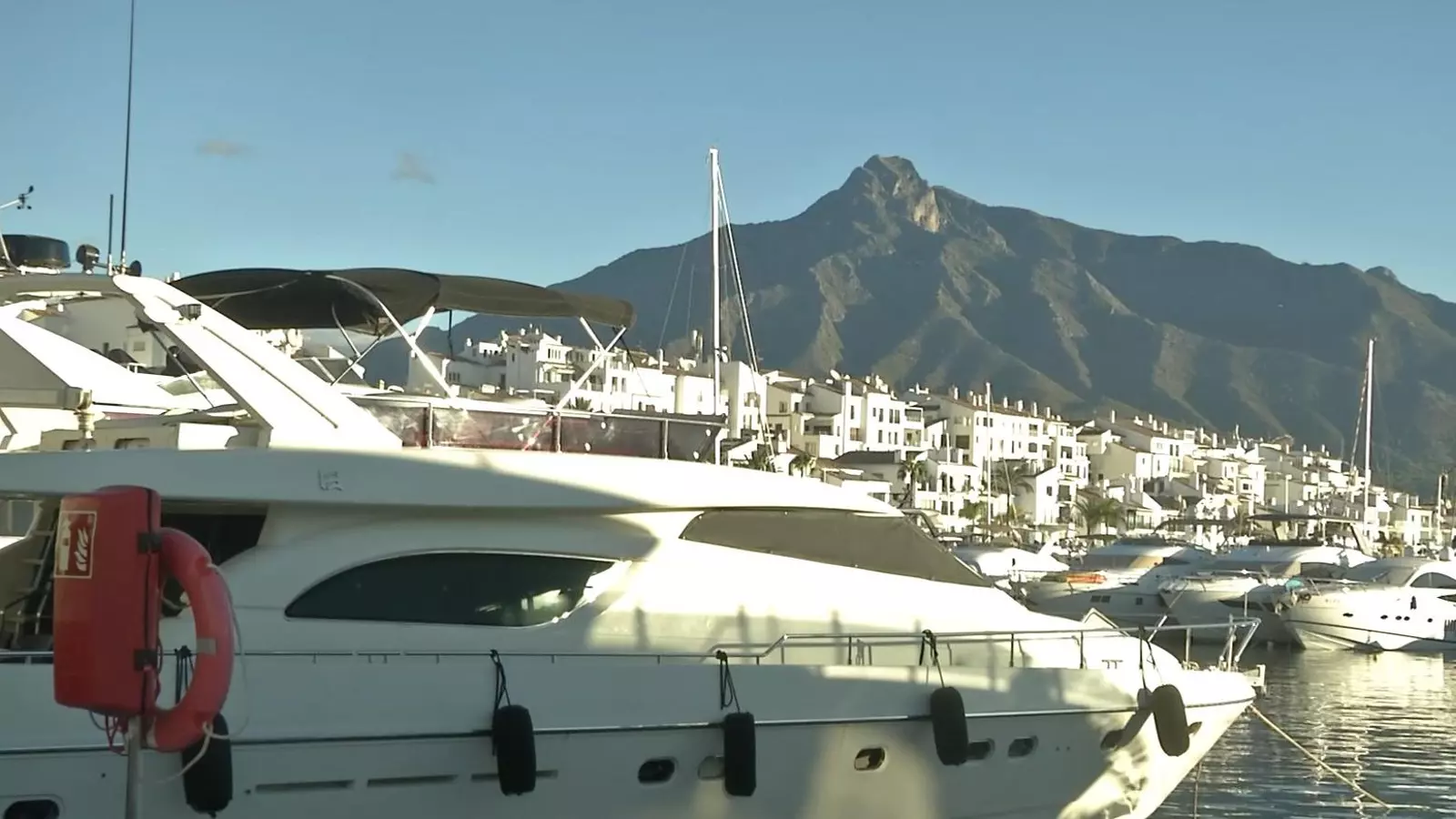

The luxurious Puerto Banús and Port Hercule in Monaco have driven a study on the ecological status of 10 Mediterranean ports noted for their touristic and environmental significance, which concludes that the marina in Marbella leads in marine biodiversity protection by conserving the patella ferruginea, an endangered limpet species, as reported this Tuesday by the port's management.
The findings of the study, developed by Port Hercule in Monaco and Puerto Banús and conducted by the scientific team of Underwater Gardens International, were announced today in Puerto Banús, at an event attended by researchers, port managers, and representatives of the nautical sector.
Specifically, the study analyzed the state of biodiversity and environmental quality in Puerto Banús (Spain); Marina Ibiza (Spain); Port Hercule (Monaco); IGY Vieux-Port de Cannes (France); Port de Saint-Tropez (France); ACI Marina Split (Croatia); Marina Grande di Capri (Italy); Porto Cervo (Italy); Marina di Portofino (Italy); and Limassol Marina (Cyprus).
These ports were selected for their relevance in economic, touristic, and environmental terms and the need to balance port activity with ecological protection, being chosen as models to emulate in environmental aspects to advance towards sustainability and biodiversity protection.
A Report with Scientific and Strategic Value
The report offers a comprehensive analysis of the marine biodiversity status in 10 Mediterranean ports and proposes specific solutions for their conservation and regeneration, providing key data for environmental management and decision-making in the region.
Among its main contributions are a detailed map of biodiversity and priority habitats in each analyzed port, the assessment of endangered species and the most vulnerable ecosystems, or an analysis of the impact of port activity on the marine environment, they noted.
The document also includes recommendations to mitigate impacts and promote ecological regeneration, strategies aligned with the 2030 Agenda and the European directives for nature restoration, and a model of collaborative governance that integrates science, ports, and institutions.
Conservation of the Patella Ferruginea
Within the framework of the report, Puerto Banús has taken a leading role, launching specific initiatives for the protection of marine biodiversity and the restoration of degraded ecosystems.
Among these actions, it has highlighted the conservation of the patella ferrugínea, an endemic mollusk of the Mediterranean listed as an endangered species and considered an essential bioindicator of the environmental health of the marine ecosystem.
Its recovery is a priority because it maintains the ecological balance of intertidal zones, enhances the biological diversity in coastal habitats, and strengthens the ecosystem's resilience against climate change and human pressure.
Thanks to collaboration with the University of Seville, Puerto Banús has implemented pioneering measures for protection and regeneration, including the installation of Life boosting units to create new habitats and scientific monitoring programs to track biodiversity progress.
Solutions for Conservation
Moreover, the report proposes solutions, including the restoration of marine habitats in strategic port areas, environmental education programs for the local community and the nautical sector, and the creation of a Mediterranean network of regenerative ports committed to biodiversity and sustainability.

Latest news





Upcoming events
12
Nov
El Desembarco, la traición de Viriato at La Caja Blanca
12
Nov
HOMER El Mero Mero at Sala Trinchera Málaga
13
Nov
Marbella Startup Lab – Innovate & Collaborate
13
Nov
Candlelight: Coldplay & Imagine Dragons at Sala Fundación Unicaja María Cristina
13
Nov
Candlelight: Tribute to Ludovico Einaudi at Anantara Villa Padierna
Similar News

Marbella Launches ‘Summer Youth’ Programme with 2,500 Free Places
Marbella

Premium Tourism Drives Marbella’s Hotel Profitability to Record Levels as Overnight Stays Exceed 291,000
Marbella

‘Machos Alfa’ seeks extras in Marbella for filming of its sixth and final season
Marbella
