


For a Healthy Relationship Between Childhood and Technology
The use of screens increases the risk of sedentary behavior and can cause sleep and behavior disturbances.
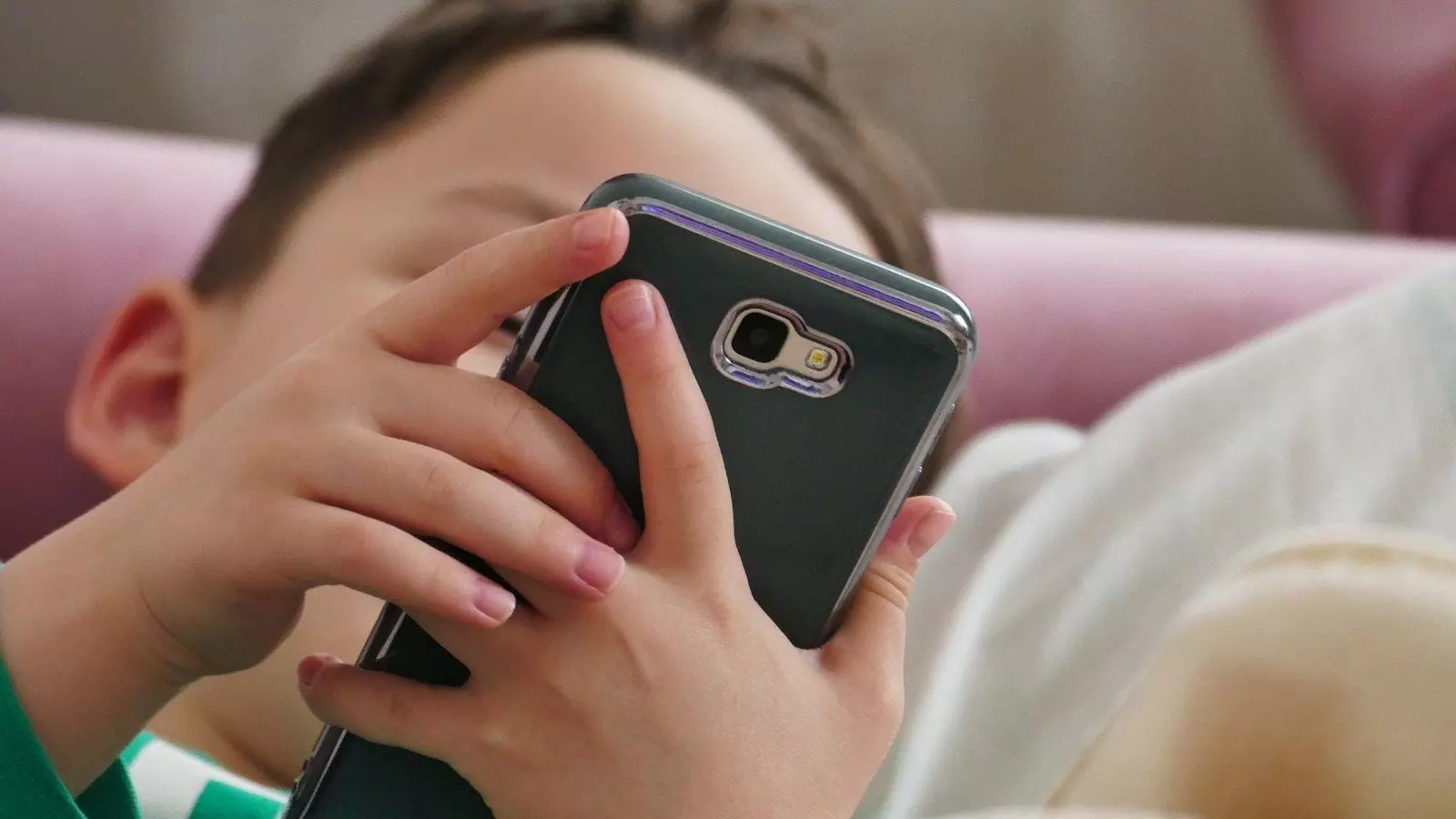

The widespread and everyday use of electronic devices, such as mobile phones, tablets, gaming consoles, or computers, has also spread to the child and adolescent population, two groups particularly vulnerable as they are in crucial stages of their development.
As Julio Maset, a doctor at Cinfa, warns, “among the consequences of minors' use and exposure to technology are an increase in sedentary behavior, vision problems, and sleep-related disorders, as screen use leads to shorter and poorer quality sleep, because they go to bed later and take longer to fall asleep.”
Sleep disturbances in turn cause greater difficulty in achieving deep sleep and increased daytime sleepiness, which, in the long run, can lead to a depressive mood state and cause behavioral changes and even brain development issues.
According to the Spanish Association of Pediatrics (AEP), children under 6 years should not be exposed to screen use, as there is no 'safe' amount of time for them, while Unicef points out that technology use up to that age does not contribute to the development of the child.
Routines and Limits
For children over 6 years old, to achieve a healthy use of technological devices and screens, the expert from Cinfa recommends “establishing routines and limits at home and, as parents, leading by example. In fact, the latest scientific studies show a relationship between the use of technology by parents and their children, especially at key times such as mealtime or bedtime.”
For the population aged 7 to 12 years, the Spanish Association of Pediatrics advises limiting screen time to less than one hour a day —which should include time for school homework and study—, using technology under adult supervision, and doing so from stationary devices and in places other than the bathroom and bedroom.
In teenagers, a maximum of two hours per day
Among teenagers, considering an age range of 13 to 16 years, responsible use of technological devices is also key, as improper use can increase activation of the limbic region of the brain, which causes a need for immediate gratification and thus a tendency for excessive use.
Furthermore, screen use causes hyperstimulation, reduces the ability to concentrate and focus on a task as these devices involve multitasking, all of which leads to a higher risk of poor cognitive outcomes, problems filtering distractions, increased impulsivity, and reduced working memory.
To avoid this, the recommendations suggest limiting use to a maximum of two hours per day, with parental control and prioritizing devices without internet access. “As we see, the involvement of the whole family is essential to protect minors. Both in terms of establishing time limits, routines, and parental control and in promoting a healthy and reasonable use, with the aim of protecting the most vulnerable population,” concludes Dr. Julio Maset.
Key Tips to Avoid Long-Term Problems
The recommendation is clear: no screens before the age of 6, because they do not provide demonstrable benefits and can interfere with development. From there, limit times: from 7 to 12 years, a maximum of one hour a day; from 13 to 16, up to two hours and always with parental control. To counteract the sedentarism associated with technology, it is advisable to establish healthy routines with sport and daily movement, as well as visual and posture breaks. It is crucial to activate the parental controls on devices to limit times, apps, and websites, and periodically review their settings. Using them before bedtime disrupts sleep; mobiles, tablets, and laptops should be kept in common areas, including those of adults. To avoid conflicts, agree on clear schedules and limits regarding times, content, places, and supervision, with known consequences if breached. Adults must lead by example, reducing their own use, discussing risks, and participating in habits like leaving devices outside overnight. Preferably prioritize devices without connection to limit access and facilitate natural disconnection. And finally, delay the first smartphone and, when it arrives, accompany it with usage rules, joint review, and ongoing digital education.

Latest news





Upcoming events
12
Nov
El Desembarco, la traición de Viriato at La Caja Blanca
12
Nov
HOMER El Mero Mero at Sala Trinchera Málaga
13
Nov
Marbella Startup Lab – Innovate & Collaborate
13
Nov
Candlelight: Coldplay & Imagine Dragons at Sala Fundación Unicaja María Cristina
13
Nov
Candlelight: Tribute to Ludovico Einaudi at Anantara Villa Padierna
Similar News

Marbella Launches ‘Summer Youth’ Programme with 2,500 Free Places
Marbella

Premium Tourism Drives Marbella’s Hotel Profitability to Record Levels as Overnight Stays Exceed 291,000
Marbella

‘Machos Alfa’ seeks extras in Marbella for filming of its sixth and final season
Marbella
