Manuel de la Calva, Half of the Dynamic Duo, Dies
The musician, co-author with his partner of timeless songs like 'Resistiré', 'La, la, la', or 'Me olvidé de vivir', has passed away at the age of 88 from cancer.
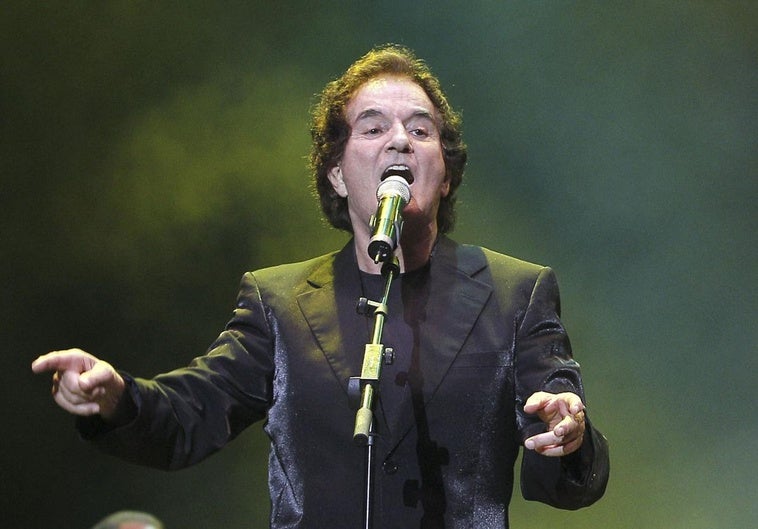

Manuel de la Calva, one half of the Dynamic Duo, passed away this Tuesday at the age of 88 at the Anderson Hospital in Madrid, ... a victim of cancer. It was Ramón Arcusa, his inseparable partner, who reported his death on the official account the group had on X. "Manolo de la Calva, my soulmate, more than a brother, a companion in a hundred adventures and a thousand songs, has left us today. Do not cry for him, he would not like it. He was the soul of the Duo, always cheerful, optimistic, positive. Sing with him in this farewell. Thank you so much, my friend. You are now eternal. Take care wherever you are. We will miss you a lot," he wrote.
As the years passed, the duo still had to clarify who was who. "He is the tall and handsome one, and I, the short and ugly; but once they mistook me for Miguel Ríos," Manuel would amusingly reply, always lively, jovial, and a dancer on stage, alongside Ramón, a more "serious and perfectionist" type, as De la Calva pointed out. After all, he was not limited by the guitar that his friend and fellow sufferer wielded.
Manolo de la Calva, my soulmate, more than a brother, a companion in a hundred adventures and a thousand songs, has left us today.
Do not cry for him, he would not like it. He was the soul of the Duo, always cheerful, optimistic, positive. Sing with him in this farewell.
Thank you so much, my friend. Already… pic.twitter.com/C6SH8RSvFw
Manuel was the drive, the rhythm, and the nerve, and together they wrote the soundtrack for several generations of Spaniards over the more than 65 years they remained active. Creators of their own sound, a fresh and modern pop that colored the gray Francoist Spain, they registered almost 1,200 works at the SGAE, 766 of which belonged to Manuel, whose wake will be held at the SGAE's Madrid headquarters on Fernando VI street, from 11 am to 8 pm this Wednesday. Timeless hits with milestones like 'Resistiré' and hyper-popular songs like 'Quince años tiene mi amor', 'Quisiera ser', 'Perdóname', 'Mari Carmen', 'Esos ojitos negros', or 'Amor de verano'. With these, they conquered the youth of the sixties and seventies of the 21st century, and later the daughters and granddaughters of those fans who, six decades later, continued to enjoy their legendary repertoire, as happened when the duo headlined the Sonorama festival, in Aranda de Duero, in August 2018. "We are a part of Spain's world heritage," Manuel accurately pointed out, boasting that sometimes up to four different generations attended his concerts.
In reality, the steps of Manuel de la Calva (Barcelona, 1937) did not seem directed towards the music industry, although in his spare time during his adolescence he would take the stage at the Hondo jazz club to perform old hits accompanied by Tete Montoliú. A junior champion of Spain in 100-meter swimming and a member of the water polo team at Club Natación Barcelona, at just twenty years old, the Barcelona native started working in the drafting department at the National Aviation Motors Company Elizalde in Barcelona and there he met Ramón, three months his senior. It was at the company's Christmas party in 1958 when they first joined forces to liven up the night. Things must have gone very well because the following year they were already appearing at parties as The Dynamic Boys until a radio presenter not very skilled with English castellanized their name live as Dúo Dinámico.
This marked the musical journey of these two Catalans who swapped the square and the protractor for the guitar, the microphones, the recording studios, and the stages. It was not an easy path, as De la Calva remembered to this newspaper: "I was born in the middle of the Civil War, so I am very aware of what it has cost me to get to where I am. It has been a tough and long career, step by step. I remember that I liked swimming, but my father quickly taught me that we had to work to help the family."
Not even the military service cut short their burgeoning musical career, as both were assigned to Zaragoza. The duo received about 3,500 pesetas, about 21 euros, for the concerts they gave at the American bases imitating artists like Chuck Berry or Paul Anka. Gradually they created their style, with white pants and colored vests, adding some warmth to a dark and cold Spain, which was trying to recover from the Civil War. "We were poor, but happy," De la Calva recalled, beginning to build a friendship that would never break. "We are like brothers. We had young things, sometimes over a girl, but nothing important," he mentioned in an interview.
At the end of 1959, the pair definitively left their jobs and ventured to try their luck with music. They recorded their first song, 'Recordándote', with the gramophone company Odeon. Six years later, they had already registered a whopping 31 EPs with four songs each. The success was enormous, and both became pioneers of the fan phenomenon in Spain. A phenomenon they viewed with absolute humility: "It arose spontaneously, and hundreds and hundreds of clubs emerged, and we managed to compose very timely youth themes. We created a style and, although we did not sing very well, together we did," they said. But they were not only loved on stage, but also on film sets. Between 1960 and 1964, Manolo and Ramón starred in four movies: 'Botón de ancla', 'Búsqueme a esa chica', 'Escala en Tenerife', and 'Una chica para dos'.
When in the mid-sixties the youth fever passed and the Dynamic Duo found no place in the record companies, the pair recycled themselves as talent scouts and formed a powerful tandem in making compositions and arrangements for other artists. The duo owned the melody and the lyrics of 'La, la, la' with which Massiel won the first Eurovision Song Contest for Spain in 1968, but also other significant titles that shaped Julio Iglesias's career like 'Soy un truhan, soy un señor' or the Spanish adaptation of 'Me olvidé de vivir'. "We have never believed in anything, we have not pretended to be what we were not, and everything has been 50% because, although sometimes one made the song and other times the other, we always signed them both," Ramón Arcusa pointed out.
Perhaps the greatest success of their career was 'Resistiré', a song to which De la Calva clung when in 2007 colon cancer nearly ended his life. Transformed several times into an anthem, the last was during the coronavirus pandemic, when thousands of people sang it during the hours of confinement. The song's plays on Spotify soared by almost 500% during those sad days. "I am flattered," De la Calva would say in these pages, "but I am not attentive to that. Both Ramón and I are street people, very normal guys who go to the market to shop and talk about our lives with the fishmonger or the greengrocer. That's what I like. Off the stage, I don't want to know anything about the showbiz."
Last year the duo received the SGAE's Medal of Honor, the institution's highest distinction, an accolade that added to the Music Award (1999), the Gold Medal for Merit in Work (2010), and the Latin Grammy for Musical Excellence (2014).
Latest news


Upcoming events
17
Sep
La Pequeña Cuba Gastro-Cultural Festival in San Pedro Alcántara 2026
18
Sep
World Wellness Weekend Marbella 2026
18
Sep
Candlelight: Queen vs. ABBA in Málaga
18
Sep
Candlelight: Coldplay and Imagine Dragons in Málaga
18
Sep
3 de Corazones – Pancho Céspedes, Enrique Ramil and José Luis Jaén in Málaga
Similar News
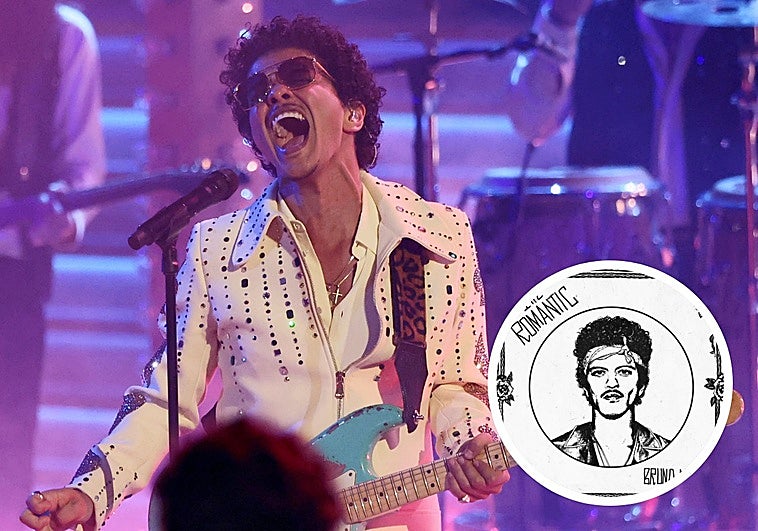
Bruno Mars Ends a Decade Without a Solo Album with 'The Romantic'
Málaga