


Verdiales at the Malaga Fair: the essence of the party
A traditional art that is passed down from generation to generation over timeMalaga taxi drivers on VTC prices at the Fair:
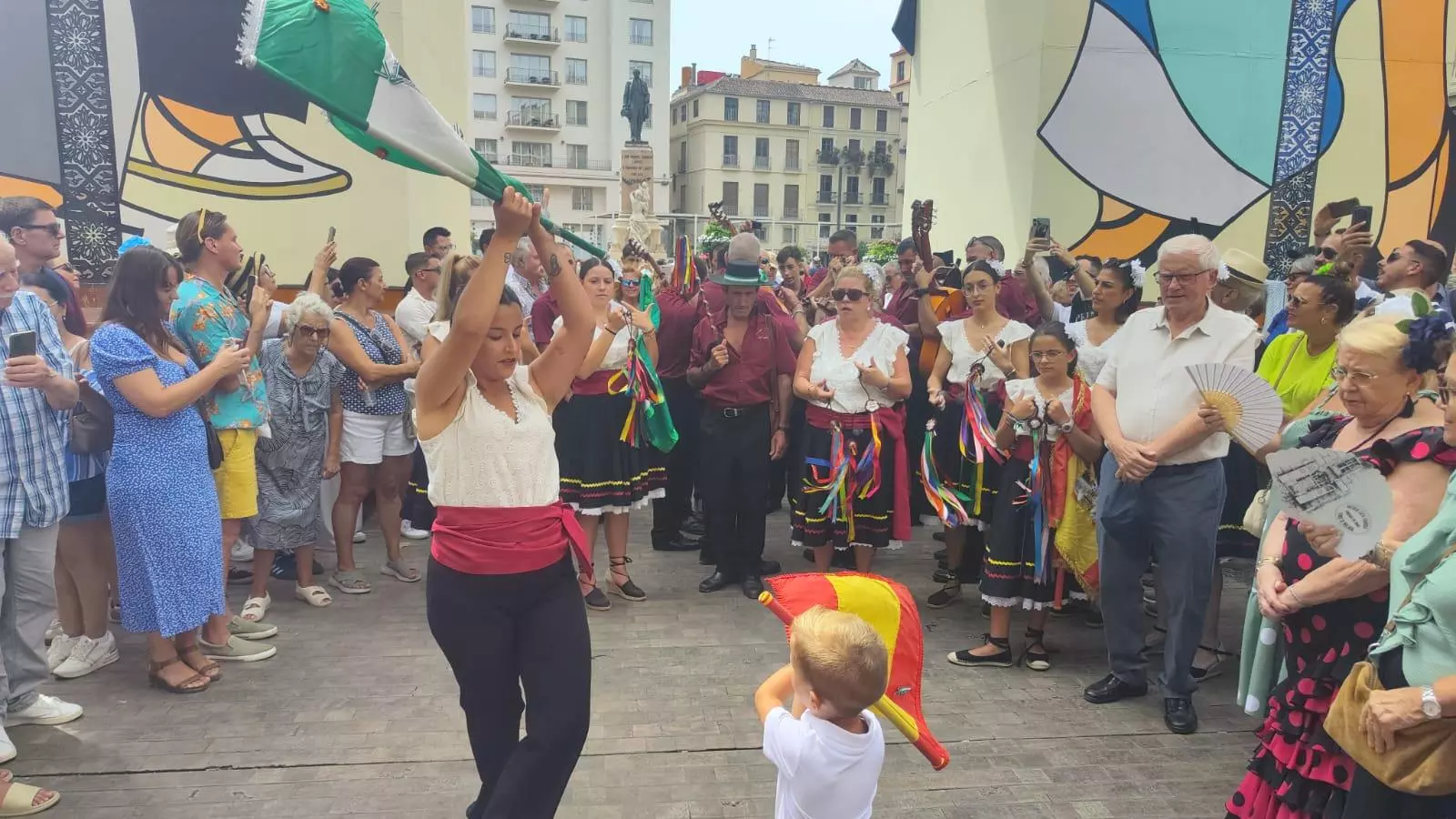

The Feria de Málaga is a celebration of the city's identity and tradition. During these days, it's possible to see a large number of flamenco dresses, fans, and especially a lot of music both in the city center and in the fairgrounds. However, amidst the festivity, something stands out among the garlands and the good atmosphere: the Verdiales bands, always surrounded by people dancing next to them and recording their art with their phones.
It is an art that in most cases is passed down from generation to generation. "My son is three years old and since he was born he has been with castanets in his hands. Because he likes it and it comes naturally to him," details Míriam Martín Solán, director of the band El Capitán. "My father is the mayor of the band. I see my niece and my child, they continue to like it and they keep dancing with us. It is something that is increasingly flourishing in my family."
But in some cases, it is a feeling that is born within, according to José Carlos Pérez Domínguez, mayor of the band Primera de Benagalbón. "I first saw it from an uncle of my mother, because I only saw her dance once or twice. Before, you learned to dance with a chair, there were no schools," says Domínguez. "You had to memorize the steps in your mind and practice them at home. And if you didn't know how to play, you couldn't play anywhere." "Now there are many schools in the villages of Málaga. If one pays attention and puts interest and effort, they really teach you to dance and play. There are people who have been taught at 40 or even 50 years old," adds Martín.
However, the Feria de Málaga is not the most important time for these groups. "It's a good showcase," Domínguez indicates. "We have about 12 performances a year more or less. In summer we have a few more, but in winter we have the village fair, cultural weeks, we also go to schools and perform all kinds of acts," he explains. But he insists that the most important day for these groups is December 28, the Major Festival of the Verdiales.
"It's incredible to see how people like what we do and love us. We start to rehearse and it gets crowded around us, they ask us for photos. It's impossible to go out on the street without drawing attention," explains Martín. "We like to work on Calle Larios. It's very beautiful because there are a lot of people and we are surrounded at all times. You can tell when we dance, because we are not just on a stage," he states.
The band El Capitán capturing the attention of passersby on Calle Larios. / Carlos Guerrero"We prefer to dance and play on the ground rather than on a stage. The performance sounds better than with a microphone and we are closer to the people. It's different, but on the ground the party is always much more beautiful than on a stage," clarifies Martín. "Those who come to the festival do so because they like to dance and play. When we come, we might be hired for four hours, but we stay for six because we really enjoy it."
However, for some of these bands, not everything is a bed of roses. "It's a tradition that takes a lot of work to maintain. In the Verdiales schools, there are not many young people. There is youth mainly to dance, but not for instruments. Mostly there are older people," explains the mayor of the band Primera de Benagalbón. "It would be good if it were offered as an extracurricular activity in schools to give it more visibility."
The richness of the Verdiales is reflected in three styles: Montes, Almogía, and Comares. The Montes style, considered the oldest, is characterized by its faster rhythms and marked percussions, as well as hats decorated with ribbons and mirrors. In contrast, the Almogía style has a slower, more melodic rhythm, with musical ornamentations that bring elegance and a festive spirit, and a wardrobe of more sober colors. Lastly, the more recent Comares style stands out for its complex melodies and slow rhythms. Its costumes and hats, decorated with ribbons representing the landscapes of the Axarquía. "Each one has its touch and sounds very different," explains the director of the band El Capitán.

Latest news





Upcoming events
12
Nov
El Desembarco, la traición de Viriato at La Caja Blanca
12
Nov
HOMER El Mero Mero at Sala Trinchera Málaga
13
Nov
Marbella Startup Lab – Innovate & Collaborate
13
Nov
Candlelight: Coldplay & Imagine Dragons at Sala Fundación Unicaja María Cristina
13
Nov
Candlelight: Tribute to Ludovico Einaudi at Anantara Villa Padierna
Similar News
Classrooms move to the sea: hundreds of schoolchildren take to the port of Caleta de Vélez by catamaran
Vélez-Málaga

Raule, a tribute to Manuel Carrasco and Óliver Gil, headline the San Juan Night in Torre del Mar.
Vélez-Málaga
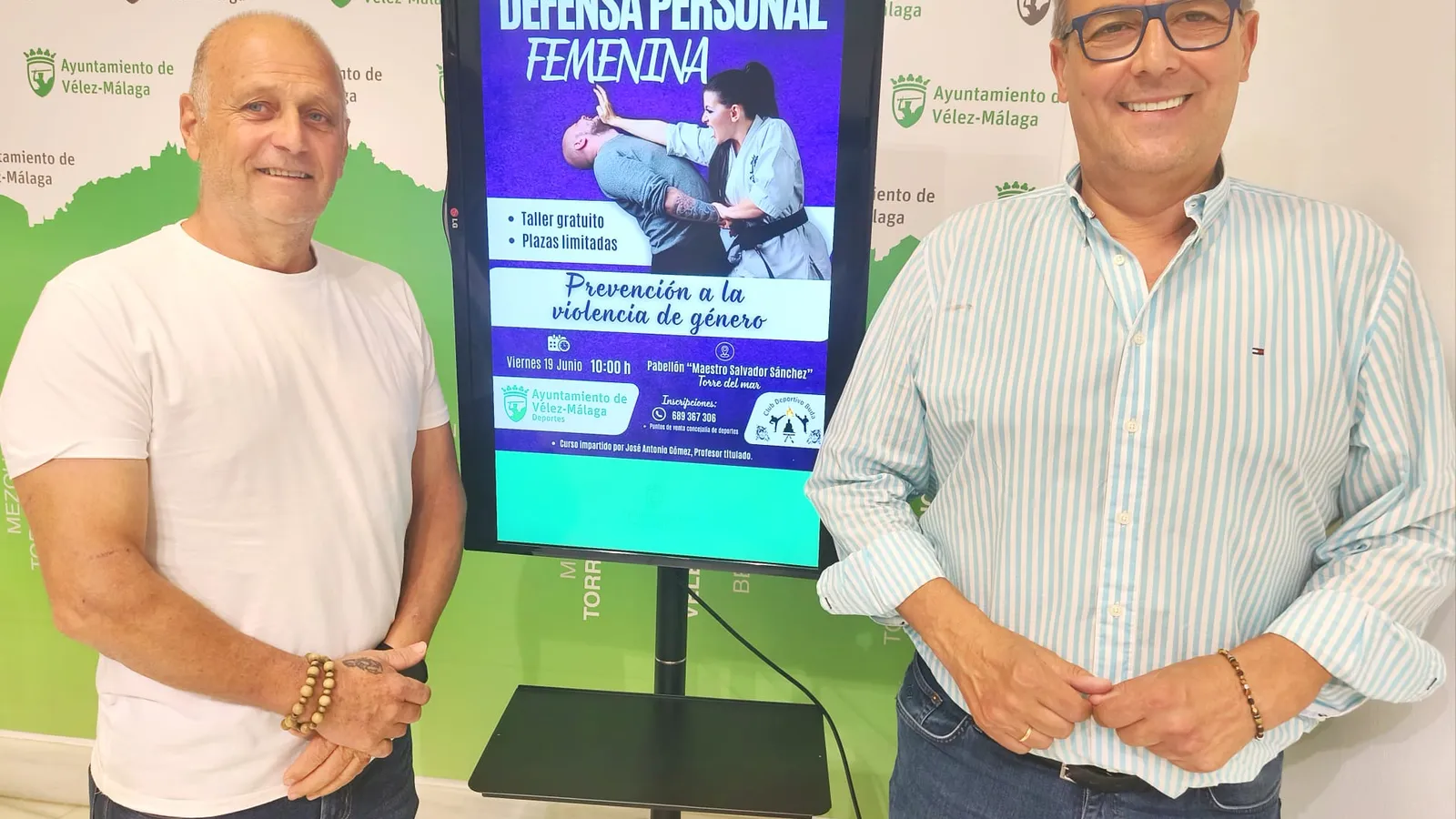
Vélez-Málaga organizes a free female self-defense workshop against gender violence
Vélez-Málaga
