


Keys to Prevent and Act Against Major Allergies
Vithas specialists in Andalusia emphasize that factors such as heat, sun exposure, or the consumption of certain foods can trigger reactions of varying severity.
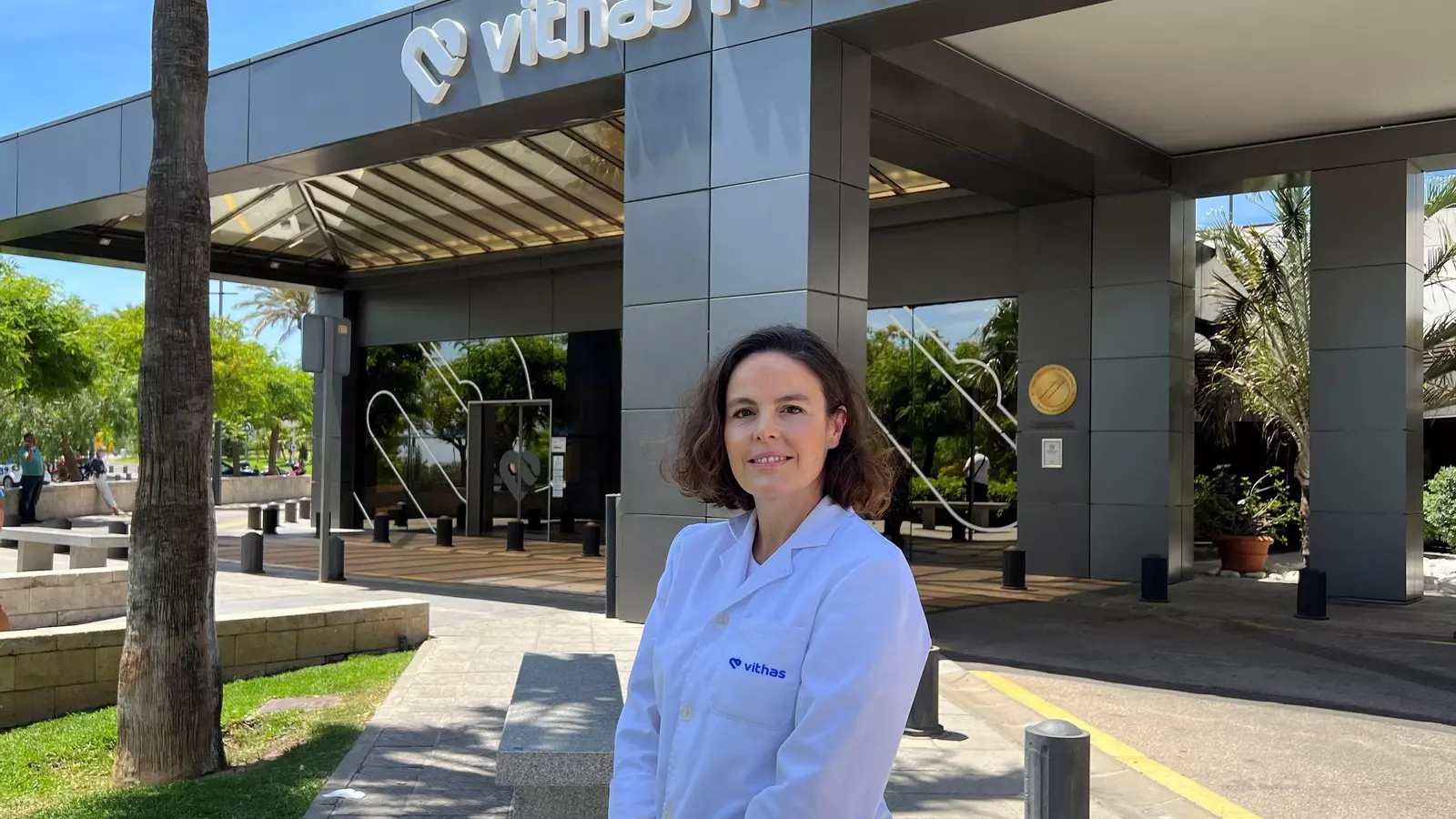

In light of World Allergy Day, commemorated every July 8th, the Vithas hospitals in Andalusia, specifically Vithas Málaga, Vithas Xanit Internacional, Vithas Almería, and Vithas Granada, aim to highlight the increase in allergic pathologies throughout the 365 days of the year, especially during summer. This season, factors such as heat, sun exposure, consumption of certain foods, more frequent use of medications, or contact with insects can trigger allergic reactions of varying severity.
More than 20% of the global population suffers from some type of allergic disorder.Allergies are among the most common chronic diseases worldwide, and their incidence has been increasing over the last few decades. According to the World Allergy Organization (WAO), more than 20% of the global population suffers from some type of allergic disorder, with children, adolescents, and people with certain family histories being particularly sensitive.
In this context, specialists from the Vithas hospitals in Málaga, Benalmádena, Almería, and Granada offer their insights on the most common types of allergies during summer (ranging from food or childhood allergies, to those induced by medications or stings) and share key recommendations for prevention and how to act upon the first symptoms.
Summer Changes
At Hospital Vithas Almería, José Luis Esteller, the center's nutritionist, focuses on food allergies, a type of pathology that tends to increase during the summer months due to changes in eating habits and increased consumption of products outside the home.
Esteller explains that “during this time of year, there is often an increase in exposure to food allergens, whether from eating at beach bars, outdoor celebrations, or travels where food preparation is not always controlled. In summer, the consumption of foods that may contain traces of allergens, such as seafood, nuts in sauces or desserts, commercial ice creams, or pre-cooked products, poses an added risk for allergic individuals if not properly labeled,” adds the specialist.
With the onset of heat, there is also an increase in consultations for allergic reactions to mosquito bites, which in some cases can go beyond the usual itching. Dr. Clara Pérez Padilla, head of the Allergology Service at Hospital Vithas Xanit Internacional, explains that some people develop extensive local reactions with inflammation, pain or even slight fever, and in children, prurigo, a widespread rash that can leave marks for weeks, is common. “To alleviate symptoms, it is recommended to apply ice and, after consulting with a specialist, use topical corticosteroids and oral antihistamines. In more severe cases, it may be necessary to resort to anti-inflammatory drugs or antibiotics,” concludes the specialist.
Reactions with Medications
Speaking of medications, another less known type of allergy among the population are drug allergies. At this point, Dr. José Manuel Barceló, allergist at Hospital Vithas Málaga, reminds us that “allergic reactions to medications are a common cause of medical consultation, especially in emergency services. Among the drugs that most commonly cause these types of allergies are antibiotics, such as penicillin and its derivatives, non-steroidal anti-inflammatory drugs (NSAIDs), and some local anesthetics. The symptoms can range from hives and itching to more severe reactions like anaphylactic shock.”
During summer, drug allergies may increase due to the more frequent use of certain treatments such as antibiotics for skin infections, or anti-inflammatory drugs after stings or sports injuries. “To prevent complications, it is crucial not to self-medicate, always inform the doctor of any previous allergic history, and consult with an allergist if a reaction has occurred before.”
Comprehensive Approach
Meanwhile, Dr. Jesús Garrido, a pediatrician specialized in child allergology at Vithas Granada, emphasizes the importance of a comprehensive approach in treating allergies in children based on immunomodulation. "Immunomodulation is presented as a key strategy to balance the response of the immune system altered by various causes. Through changes in lifestyle habits, such as improving exposure to nature, reducing stress, optimizing sleep quality, and adjusting diet to avoid sugars, effective regulation of the defensive system can be achieved. The use of probiotics and some immunomodulatory medications is also helpful in this regard.”

Latest news





Upcoming events
12
Nov
El Desembarco, la traición de Viriato at La Caja Blanca
12
Nov
HOMER El Mero Mero at Sala Trinchera Málaga
13
Nov
Marbella Startup Lab – Innovate & Collaborate
13
Nov
Candlelight: Coldplay & Imagine Dragons at Sala Fundación Unicaja María Cristina
13
Nov
Candlelight: Tribute to Ludovico Einaudi at Anantara Villa Padierna
Similar News

Marbella Launches ‘Summer Youth’ Programme with 2,500 Free Places
Marbella

Premium Tourism Drives Marbella’s Hotel Profitability to Record Levels as Overnight Stays Exceed 291,000
Marbella

‘Machos Alfa’ seeks extras in Marbella for filming of its sixth and final season
Marbella
