


A fishing boat from Estepona collaborates in a research on the invasive Asian algae
The Rugulopterys okamurae is affecting the entire fishing fleet of the western Costa del Sol.
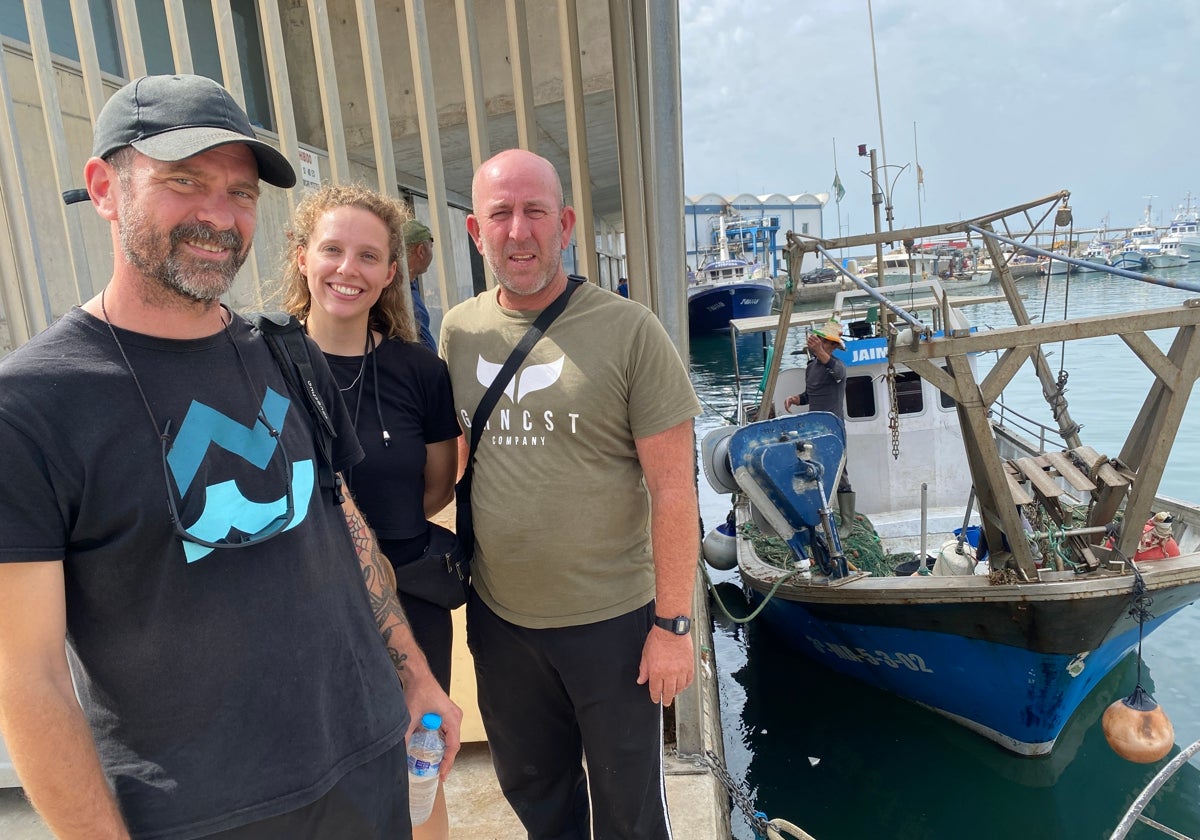

It's 4 AM and at the port of Estepona, the fishing boat 'Jaime y Sara' owned by the Peña brothers, José Antonio and Eduardo, is already prepared to head out to sea. Today, they are also joined by David León, a doctor in Biology and a member of the Man and Territory Association.
For the past year, the fishing boat 'Jaime y Sara' has also served as a research vessel, thanks to the commitment of the Estepona Fishermen's Guild. Like all those in the area, it suffers from the effects of the invasive Asian algae, Rugulopteryx okamurae.
The algae has particularly impacted the red mullet, a fish that has always fed on the green algae on the rocks, now being overtaken by this 'weed', as the local fishermen refer to it. It arrived in the area in 2016, was detected in the Strait, in Tarifa, and far from disappearing, it has proliferated. "This area of Estepona, Manilva… has been the most impacted by the algae since then, almost 10 years now," explains David León.
Eduardo Peña, who has been fishing since he was 13 and is now 46, from a family of fishermen from Caleta de Vélez-Torre del Mar who moved to Castillo de la Duquesa when he was young, says that life at sea is "very tough, there's no fixed salary, you earn according to what you catch, some days more, others less, but now things are getting worse." And this invasive species is largely to blame.
Eduardo shows us a video on his mobile phone. The algae is caught in all his gillnets, a fishing method he knows well and that is becoming increasingly difficult to maintain. "We throw the net into the sea with buoys and stones and pull it back in. For red mullet fishing, the net stays in the water for an hour and comes up like this," he points out in the video. Indeed, dozens of invasive algae have latched onto the net which, instead of being anchored to the seabed, drifts with the currents, spreading and invading everything. This makes the net visible to fish and fishing declines.
"This is quite frustrating," Eduardo admits. "You don't make a dime and you work your tail off. Gillnetting is ruined by this. There are places we can't even get close to because of the amount of algae."
David León adds: "The impact of the algae on the fishing sector is tremendous, starting with the time they spend cleaning the net. The algae lowers the net from its natural position, making it visible to fish and thus, no fish are caught. Moreover, the algae occupies a lot of space on the seabed, along the coast, and in the water column, it suffocates shellfish and displaces other local species."
"No species feeds on it, it's very difficult to eliminate. Many biological invasions are gradually integrated by the marine system, some arrive very invasive and diminish over time. But this one is uncontrollable: sea temperature does not affect its spread through seas and oceans, it has even been found on the Galician coast, it adapts to low light, low oxygen, areas with higher or lower salinity, it's invasive in every way, it has no predators, blends in with other local species and there's no control system," concludes León.
Solutions for fishermen include moving to different fishing areas, something Eduardo Peña is already an expert in, or changing certain aspects of fishing gear, such as materials, and looking for other solutions to try to benefit from it.
Project Ruguplas
"It accumulates by the tons on the beaches and the seabed and as an invasive species, the law does not allow any type of commercialization with it, it cannot be handled, it cannot be exploited... it's prohibited except for research projects," the biologist explains.
Therefore, the Man and Territory Association, together with the Technological Institute of Plastics (AIMPLAS) and with the collaboration of the fishermen's guilds from Estepona, Sanlúcar de Barrameda (Cádiz), and Gandía (Valencia), is conducting research on this highly invasive species to explore potential uses for it.
In this project, named Ruguplas, the Biodiversity Foundation of the Ministry for the Ecological Transition and Demographic Challenge also collaborates through the Pleamar Program and co-financed by the European Union through the European Maritime, Fisheries and Aquaculture Fund (EMFF). The first phase, which ends in January 2026, aims to obtain bioplastics derived from it for use by the fishing sector in areas where the algae is already established.
"Algae are already used in the textile, cosmetic industries, etc., and alternatives such as fertilizers or road insulators are being sought. We are studying the viability of using this algae to make bioplastic, to gradually remove it from the environment and help reduce plastics and marine litter," says David León. "I join Eduardo every quarter, see how he works, we collect sea samples, I learn a lot from him and my colleague Bárbara Conejero collects samples of the algae that end up on the beach." All of them are analyzed at the Technological Institute of Plastics.
The second phase of the research will begin in January 2026, and the Peña brothers' boat will continue to be a research vessel, because their life is the sea and they want to continue on it for many more years.

Latest news





Upcoming events
12
Nov
El Desembarco, la traición de Viriato at La Caja Blanca
12
Nov
HOMER El Mero Mero at Sala Trinchera Málaga
13
Nov
Marbella Startup Lab – Innovate & Collaborate
13
Nov
Candlelight: Coldplay & Imagine Dragons at Sala Fundación Unicaja María Cristina
13
Nov
Candlelight: Tribute to Ludovico Einaudi at Anantara Villa Padierna
Similar News
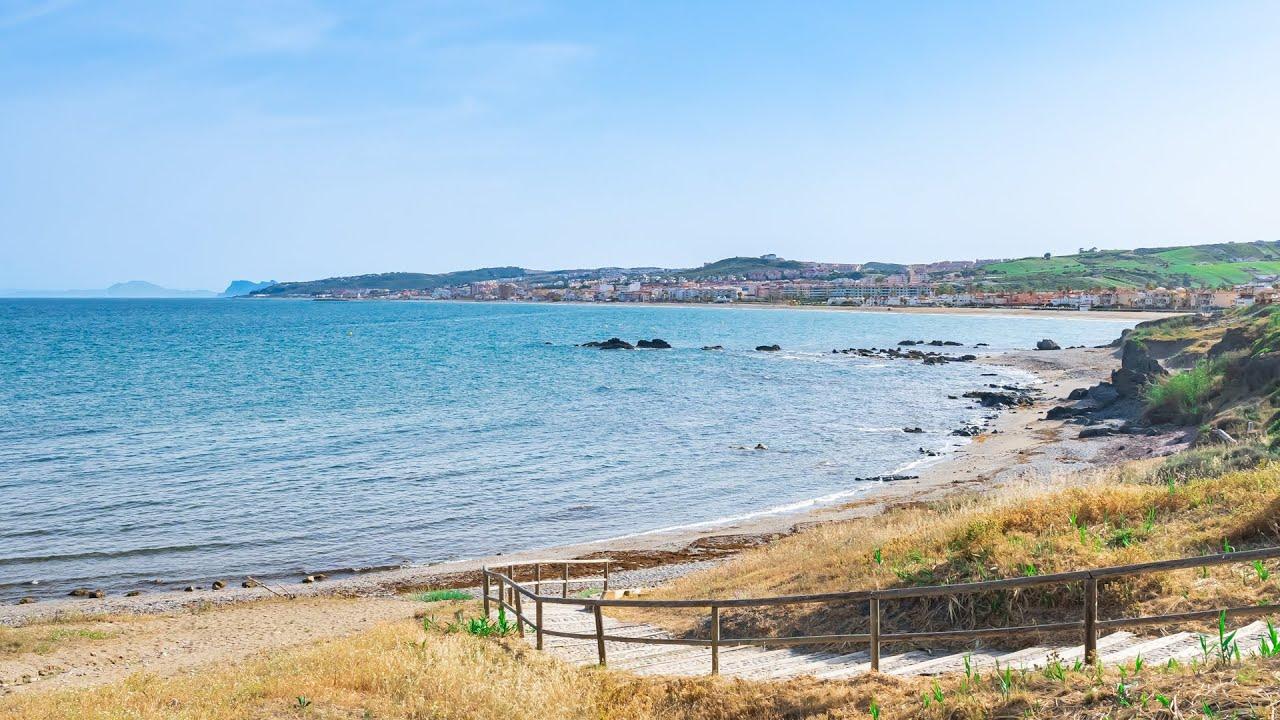
La Galera: Estepona’s Hidden Beach with Natural Rock Pools
Estepona
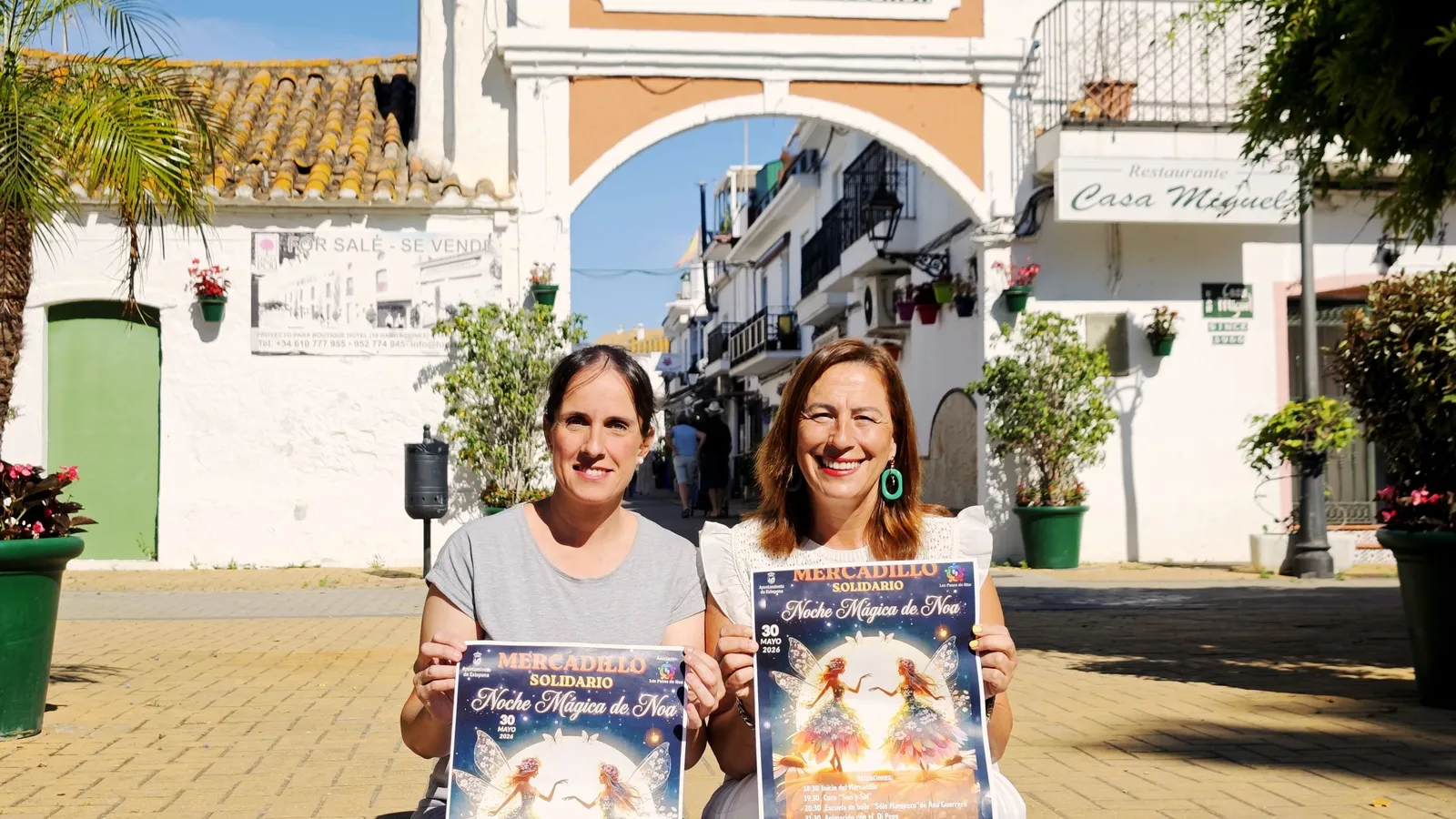
Estepona hosts a charity market this Saturday in support of the ‘Los pasos de Noa’ association.
Estepona
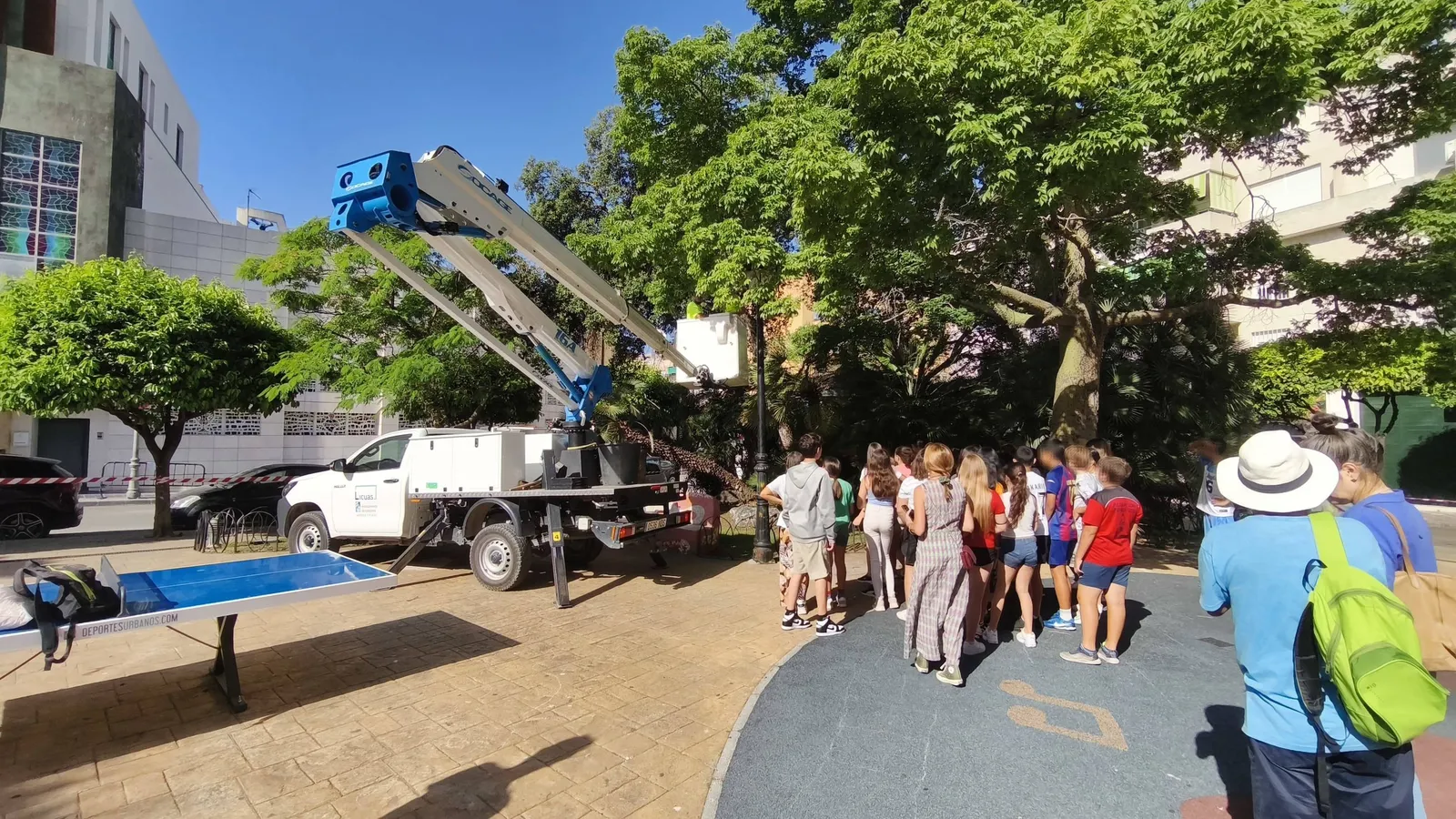
Estepona expands the installation of nesting boxes for bats and nocturnal birds of prey
Estepona
