Estepona expands the installation of nesting boxes for bats and nocturnal birds of prey
The initiative aims to combat insect pests and enhance biodiversity conservation in urban areas. Estepona installs bird and bat nesting boxes to control insect pests.


The Estepona City Council will expand the installation of nesting boxes for bats and small nocturnal birds of prey to 150 units, a move aimed at combating insect pests and enhancing biodiversity conservation in urban areas, the Council reported this Tuesday.
Thus, the Council highlighted in a statement that this initiative is part of the project driven by the Sierra Bermeja Naturalist Group 'Grunsber', which has municipal funding and will allow a significant increase in the number of artificial shelters designated for these protected species.
For this purpose, today an environmental education activity was conducted with students from the Federico García Lorca school, focusing on the installation of nesting boxes in various locations around the municipality.
During the session, the students received an explanation about the environmental importance of bats and other birds of prey, as well as the fundamental role they play in the balance of urban ecosystems.
Afterwards, they were able to see how the nesting boxes are placed, alongside members of the naturalist group and environmental technicians from the City Council. In total, around 150 units are planned to be placed in various urban and peri-urban areas of Estepona.
Biological Control of Beaches
Grunsber pointed out that bats play a crucial role in the biological control of beaches, as they are major consumers of insects.
In this way, they indicated that a single bat can consume up to 150 mosquitoes a day, which helps to naturally reduce the presence of annoying and potentially harmful species to public health.
They also recalled that all bat species are protected by state and European legislation, due to their ecological importance and the decrease in their populations in numerous natural environments.
European Scops Owl
The European scops owl, the smallest of our nocturnal raptors, is also considered a vulnerable species, according to the 2021 Red Book of Birds of Spain. It is also beneficial to human communities as a great predator of insects, since its diet is mainly based on sizable invertebrates, such as moths, crickets, grasshoppers, and cockroaches, among others.
With this project, the City Council reinforces its commitment to the conservation of biodiversity and environmental awareness among the younger generations, promoting actions that favor the coexistence between wildlife and the urban environment.

Latest news


Upcoming events
17
Sep
La Pequeña Cuba Gastro-Cultural Festival in San Pedro Alcántara 2026
18
Sep
World Wellness Weekend Marbella 2026
18
Sep
Candlelight: Queen vs. ABBA in Málaga
18
Sep
Candlelight: Coldplay and Imagine Dragons in Málaga
18
Sep
3 de Corazones – Pancho Céspedes, Enrique Ramil and José Luis Jaén in Málaga
Similar News

La Galera: Estepona’s Hidden Beach with Natural Rock Pools
Estepona
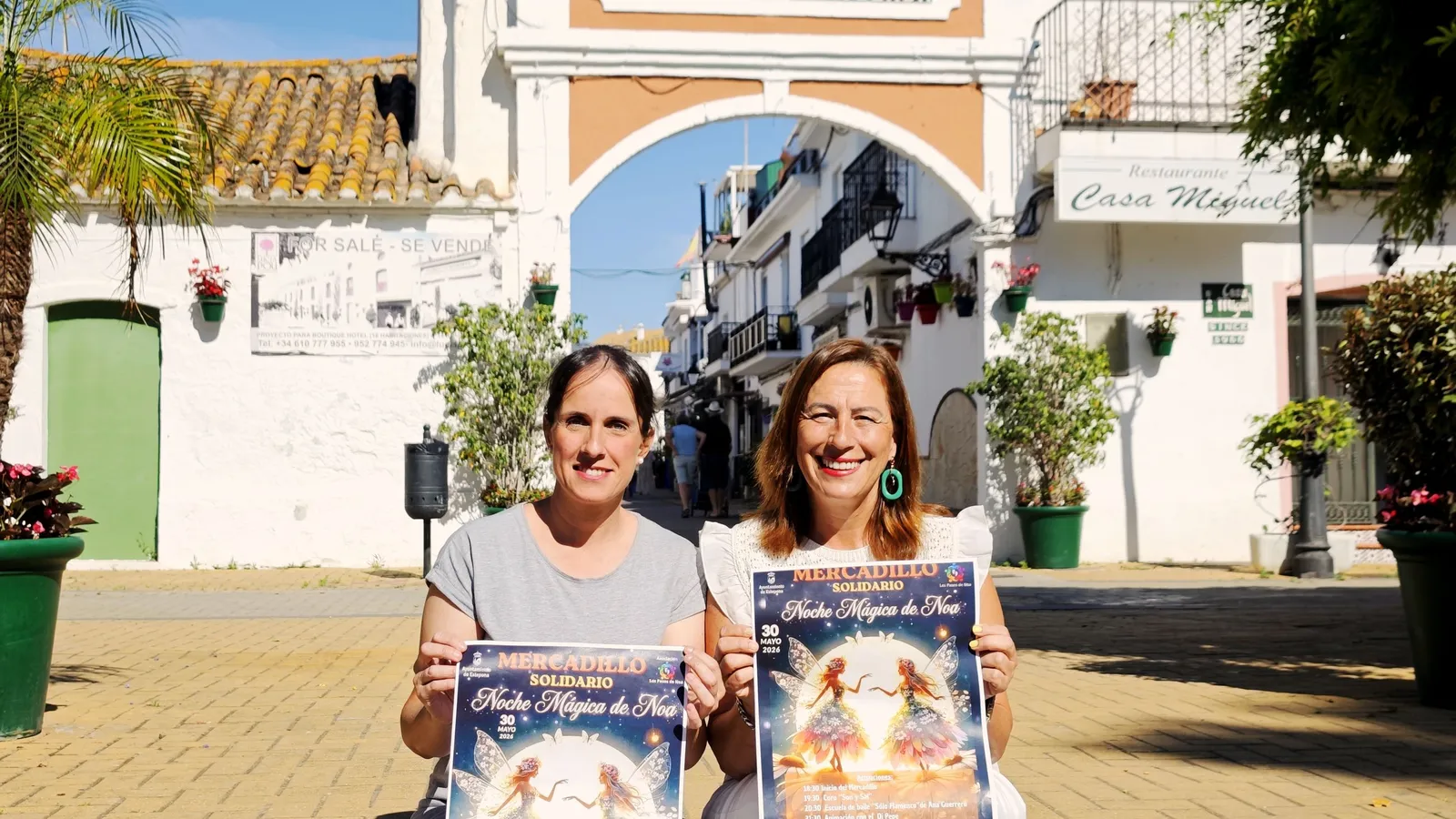
Estepona hosts a charity market this Saturday in support of the ‘Los pasos de Noa’ association.
Estepona

The hidden river where you must swim to start one of the most refreshing routes in Malaga: its pool is crystal clear.
Estepona