


Care in the Kitchen: How to Cook and Preserve Food
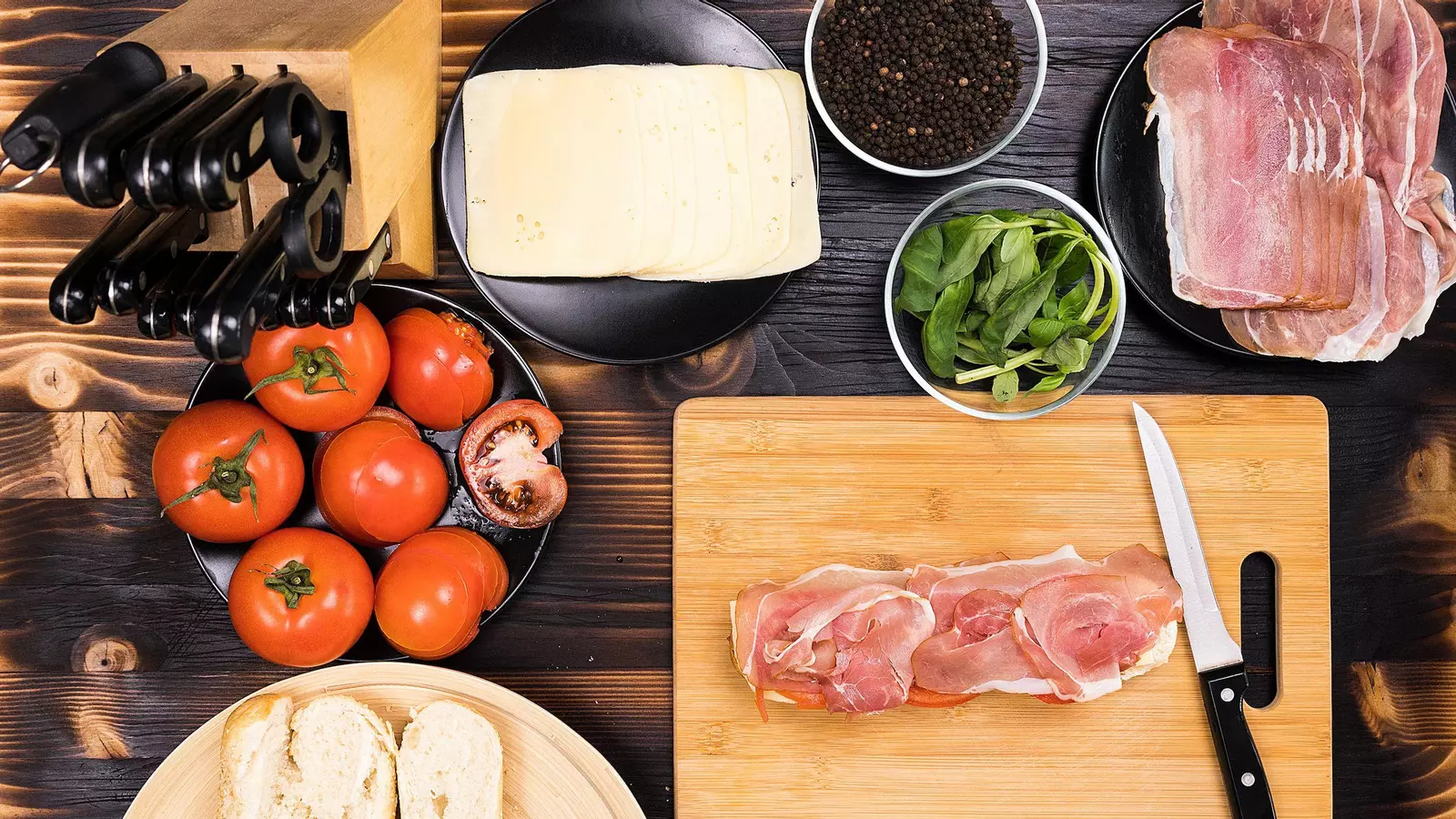

Maintaining proper food preservation and cooking it appropriately is essential to prevent poisoning and protect the health of the entire family. Sometimes, small oversights during food handling or storage lead to risks that, although they may seem minor, carry significant consequences for our health.
Ana Fraile Oliva, a nutritionist at Quirónprevención, insists on this issue: “Properly cooking food is key to avoiding food poisoning. It is always necessary to take extreme caution at every step of preparation and preservation to avoid problems.”
Special Cares
Certain products, due to their delicacy, require special care. Milk and its derivatives such as cheese or dairy creams, red and poultry meats, eggs, raw vegetables, and uncooked fish or seafood, need refrigeration or freezing to prevent spoilage and ensure they remain free of dangerous bacteria.
When it comes to cooking meat, temperature is key. Red meats must reach an internal temperature of 70 degrees Celsius to ensure their safety, while for poultry, the minimum temperature rises to 82 degrees. Using a cooking thermometer allows checking that the appropriate level has been achieved, which is fundamental especially in large pieces.
With fish and seafood, visual control also provides clues: fish should turn opaque and its scales should come off easily, proof that it is properly cooked. These foods must also be maintained for at least 15 seconds at an internal temperature of 63 degrees to eliminate potential risks.
In the case of dairy products, the guideline is clear: it is recommended to consume those that are pasteurized over those made with raw milk. Unpasteurized milk and cheeses pose a greater health risk if not properly preserved. Moreover, although it can affect anyone, they are absolutely contraindicated in pregnant women, children under 5 years old, adults over 65, and immunocompromised individuals. Choosing pasteurized milk and dairy products, paying attention to the expiration date, and keeping them in constant cold conditions is essential to avoid scares.
Preservation Errors
Many preservation errors occur at home without us being fully aware. Introducing still-hot food into the refrigerator, for example, prevents the cold from spreading evenly and causes the inside of containers to maintain too high temperatures for too long. This facilitates the multiplication of microorganisms capable of causing poisoning. Additionally, it alters the temperature of the already refrigerated foods, favoring the proliferation of pathogenic microorganisms. Also, leaving prepared dishes at room temperature for more than 2 hours increases the risk of contamination. After this time, it is advisable to refrigerate them and consume them, as a general rule, before 72 hours have passed, making sure to heat them well until the entire mass reaches 70 degrees Celsius. Although in the case of fish or seafood stews, this time is reduced to 24-48 hours.
It must be noted that when cooking food, we are not eliminating 100% of the microorganisms, we are only reducing their number to a concentration that does not pose a health hazard. The small number of microorganisms that remain in the food once cooked can grow and reproduce during storage time, posing a risk to health.
The place where we store food in the refrigerator is also important, with cooked foods being placed on the upper shelves and, if selective refrigeration drawers are available, always placing each food in its designated spot.
Special mention deserves raw preparations, such as mayonnaise or meringues. Since they do not undergo cooking, they must be served immediately or kept refrigerated, avoiding leaving them at room temperature. Moreover, it is essential to handle them with well-sanitized utensils and maintain cleanliness as a norm in the entire kitchen.
The Quirónprevención specialist concludes: “Adopting these simple cares and maintaining attention when handling and preserving food guarantees safety in each dish, reduces waste, and protects the health of those who share the table.”
Indeed, prevention in the kitchen starts with everyday actions that, undoubtedly, make a difference.

Latest news





Upcoming events
12
Nov
El Desembarco, la traición de Viriato at La Caja Blanca
12
Nov
HOMER El Mero Mero at Sala Trinchera Málaga
13
Nov
Marbella Startup Lab – Innovate & Collaborate
13
Nov
Candlelight: Coldplay & Imagine Dragons at Sala Fundación Unicaja María Cristina
13
Nov
Candlelight: Tribute to Ludovico Einaudi at Anantara Villa Padierna
Similar News

Marbella Launches ‘Summer Youth’ Programme with 2,500 Free Places
Marbella

Premium Tourism Drives Marbella’s Hotel Profitability to Record Levels as Overnight Stays Exceed 291,000
Marbella

‘Machos Alfa’ seeks extras in Marbella for filming of its sixth and final season
Marbella
