


Salvador Gallardo, the Football-Loving Hotelier from Marbella
He witnessed the tourist beginnings of the Malaga town and has been serving fish at his bar, Altamirano, for 40 years.


His latest trophy is a signed photo of King Felipe VI. The portrait of the monarch hangs in the restaurant's dining room among scarves from football teams such as El Cudillero de Asturias and El Torpedo 66, from Cebolla (Toledo). Salvador Gallardo has been running the Altamirano bar for forty years, serving fish and seafood in the old town of Marbella. Although in the previous four decades his parents had used the building as a grocery store and drugstore, and had beds to accommodate strangers, "In the 1960s and 1970s, with the tourism boom in Marbella, many people came from other towns to work in construction. They had nowhere to stay and stayed at my father's guesthouse. Some of those workers ended up staying there for up to fifteen years. Each of the three windows, which are now part of the restaurant's dining room, used to be a small room. Three rooms, with a single bathroom and a shared kitchen. My parents were entrepreneurs; they helped many people from here and elsewhere, day labourers, livestock farmers and cowherds.The Barbacana River, now covered, at the Málaga Bridge, had a large fountain where women came with their wooden boards to wash their clothes. "That's where El Céntimo was, the name of the bakery and the nickname of its baker, Antonio Moreno, who also embalmed birds, eagles and ducks. He was very famous for this art. I knew another one, Salvador, El Buzo, who did it with wild boars. He stuffed a lobster for me once. At the age of thirteen, Salvador Gallardo delivered newspapers and magazines for a press distributor on the western coast, between Marbella and Manilva.When I was seventeen, I started working as a waiter at El Fuerte. The hotel was a real school. I started as a commis (apprentice in French), cleaning tables, and learned to carve meat, fish and seafood with just a spoon and a fork. I could make meringues, prepare cocktails and speak a little bit of several languages. Anyone who wanted to could do well. I had some very good teachers in the hospitality industry. Pepe Luque, the hotel owner, was a very good person. He would look at you and say, “Your eyes are red, you've been out partying last night”. In the mornings, he would check how we arrived. And if anyone needed a hand, he would help them. After three years at the hotel, I went to work as a waiter at Old Vic, a nightclub owned by a Dutchman, who had Paco, El Sambo, as a DJ. Yuno was at Kiss and Jose and Kung Fu were at Pepe Moreno's. Every night we were hitting on the Swedish girls, and four out of ten of them ended up pairing up with some of them and moving to Sweden. Eighty percent of those who left after two or three years came back, always divorced. We all knew each other, and when we finished work we would meet at Pepe Moreno's nightclub, which opened at dawn and closed at eight or nine in the morning. At night I was awake like a cat and during the day I slept like a vampire. You could earn a lot of money back then. In the summer of 1984, I earned 350,000 pesetas (2,104 euros), which was enough to buy a car in two months. The disco was a good job and, without a girlfriend, it was also fun. I met my wife, who is from here, at the disco. It was a good time. When I got married, I left the disco and went back to the hotel. I was head waiter for less than a year, and then I had an assistant. With Xabi Alonso My father, who had a drugstore and a guesthouse on the ground floor and a restaurant upstairs, suggested that I work on my own in the restaurant and set up a bar. I opened it in 1985 when I was 25. At that time, there was a lot of construction work going on, so we made meals for the workers, including fish. My mother cooked cabbage with pringá (a traditional dish) for us, and people asked for spoons, no fish, and we also made paellas. We had to choose between continuing with a set menu bar or a fish bar. In the 1980s, Guerra and Antonio California were already in business, specialising in fish. For me, the important thing was that visitors came here or went to the bar opposite, but that they spent their money in the square. Next to Salvador's parents' property there was an old house that was used as a school and for neighbouring residents. My father made a deal with the Town Council and exchanged it for a property he owned on the outskirts of the village. My parents came from two well-known families. My mother was María González, and my father was known as Camacho. Councillor Cosme Fernández Altamirano, after whom the square where Salvador's bar is located is named, wanted his memory to live on. In the last quarter of the 16th century, the area was dominated by the properties of Alonso de Bazán and the Convent of La Trinidad. To the south, behind the church of La Encarnación, there were a few houses and the Ejido, surrounded by walls. In the midst of all this disorder, Altamirano wanted to build his home. The opening of a straight street between the Málaga gate and the Royal Hospital of Mercy was the largest urban redevelopment project of those years. Misericordia Street, originally called Nueva de la Encarnación or Nueva del Hospital, complied with the rules of Baroque cities with the removal and creation of a small square, in proportion to the alderman's house. Plaza Altamirano involved the redevelopment of an area far from the centre and little valued for its location, which became the gateway to the city via the Málaga Bridge, according to historian Francisco Moreno. In summer, the bar needs to hire more staff to reinforce the workforce, which exceeds twenty. "Some nights we serve 400 or 600 people. There is no manpower or trained waiters. A catering school can teach, but in this business you learn by doing, when you're on the job. At El Fuerte I learned how to wash up, clean glasses and table linen, and serve dishes. For me, that was my school, where I learned how to serve a steak and vegetables with a hot platter. Now it's just a matter of changing plates and serving drinks. Out of twenty waiters, only two know how to carve. I teach those who want to learn and take a step forward, whether it's preparing sangria or rebujito. I learned because I liked what I did and I was lucky enough to work in a top-class hotel. They say that everything is expensive in Marbella. But if you want to be in a place surrounded by Ferraris and luxury boats, it's not the same as being in a slum. You can't compare a first-class square with a third-class one. Even if the supplier of the soft drink you're served is the same, the price will be different. Plaza Altamirano in Marbella. Today, you can't live on a six or eight-hour job in a hotel. It's a problem for workers to pay for housing on a salary of £1,800 or £2,000. If you don't have children to support or a mortgage to pay, you can perhaps get by and enjoy a good quality of life. But there are some who, after a day's work at the hotel, come here to work another four hours. I have a construction worker who works from six in the morning until four in the afternoon and comes here from seven to eleven or from eight to twelve at night to make ends meet.Before he started climbing eight-thousanders, mountaineer Juanito Oiarzabal invited him to accompany him to climb the roof of America, the Aconcagua in Argentina, at almost 7,000 metres, and to wait for him at base camp, at an altitude of about 4,000 metres. “How am I going to climb thousands of metres when I get dizzy just going up to the second floor?”, I said. When he reached the summit, he took a photo of himself wearing a scarf with the name of the bar on it and brought it to me. In the 1990s, when Jaime de Mora organised motorcycle rallies, they asked me for business cards for the bar and put them in the gift bags they gave to the participants. That night, I had 600 motorcycles in the square; all the bikers had gathered here. And so it was for the first, second and third rallies. I remember Jaime de Mora with his monocle as a generous man. At first I saw him from a distance, I was very young, but when you got to know him he was an open person. ‘You've done a good job,’ he would say, and give you a tip. During the crisis of the 1990s, my father had to sell the corner shop to Gámez's hardware store. In 2000, we were able to buy back the plot for three times what my father had sold it for. Now in partnership with my sister, we got rid of the chemist's and the guesthouse and kept just the bar. We work a lot with the people of Marbella at the San Bernabé fair, the Three Kings celebrations and Mother's Day. The vast majority are locals, but we also get a lot of visitors from around the country. On long weekends, I always have customers from Madrid and other places. Many of them end up becoming friends, and when I travel, I usually meet up with them. I travel a lot around Europe for football, to watch the Spanish national team. Now we're going to Germany from 4 to 8 June for the UEFA Nations League final. I'm going to see all four matches. We're going with other couples who are friends. I support Madrid and my wife supports Barcelona. We went to Lisbon to see Real Madrid play Atlético Madrid, and instead of watching the match, my wife was leafing through Hola magazine, because I support Barça, she told me. Salvador's bar is a museum, covered with more than 400 football team scarves and flags. With Manuel Díaz, El Cordobés. Most people bring their team's scarf and then when they come back they want to see it hanging up. Sometimes when we paint the place or clean them, they get moved around and then they ask where theirs is, the one they brought, their parents or their grandparents. That's where you'll find the scarf of the football team from the Toledo municipality of Cebolla. Their club is El Torpedo 66, a name they took from their namesake in Moscow. They didn't think it was appropriate to call it El Torpedo de Cebolla, so they decided to name it after the year it was founded and give it some extra lustre with the black and white kit of Juventus. "A friend brought me the photo of Felipe VI, now I hope the king will come here one day. The Spanish monarchs have been to Marbella but never on an official visit. Juan Carlos I visited Puerto Banús as prince, and as king on a private visit to the palace of the Saudi monarch. Felipe VI, also as prince, visited on private getaways. The only king to visit Marbella, even if only for one night, was Felipe IV, and that was four centuries ago. On 30 March 1624, Felipe IV stopped for lunch in Estepona and stayed overnight in Marbella at the Casa del Gobernador. It was the event of the century. He was the first sovereign, after the conquest of the city by Ferdinand the Catholic, to pass through the city and the last because after him no king ever came on an official visit, not counting those made incognito, according to Francisco Moreno. The building where Philip IV spent the night is now threatened with being converted into eleven tourist apartments.

Latest news





Upcoming events
12
Nov
El Desembarco, la traición de Viriato at La Caja Blanca
12
Nov
HOMER El Mero Mero at Sala Trinchera Málaga
13
Nov
Marbella Startup Lab – Innovate & Collaborate
13
Nov
Candlelight: Coldplay & Imagine Dragons at Sala Fundación Unicaja María Cristina
13
Nov
Candlelight: Tribute to Ludovico Einaudi at Anantara Villa Padierna
Similar News
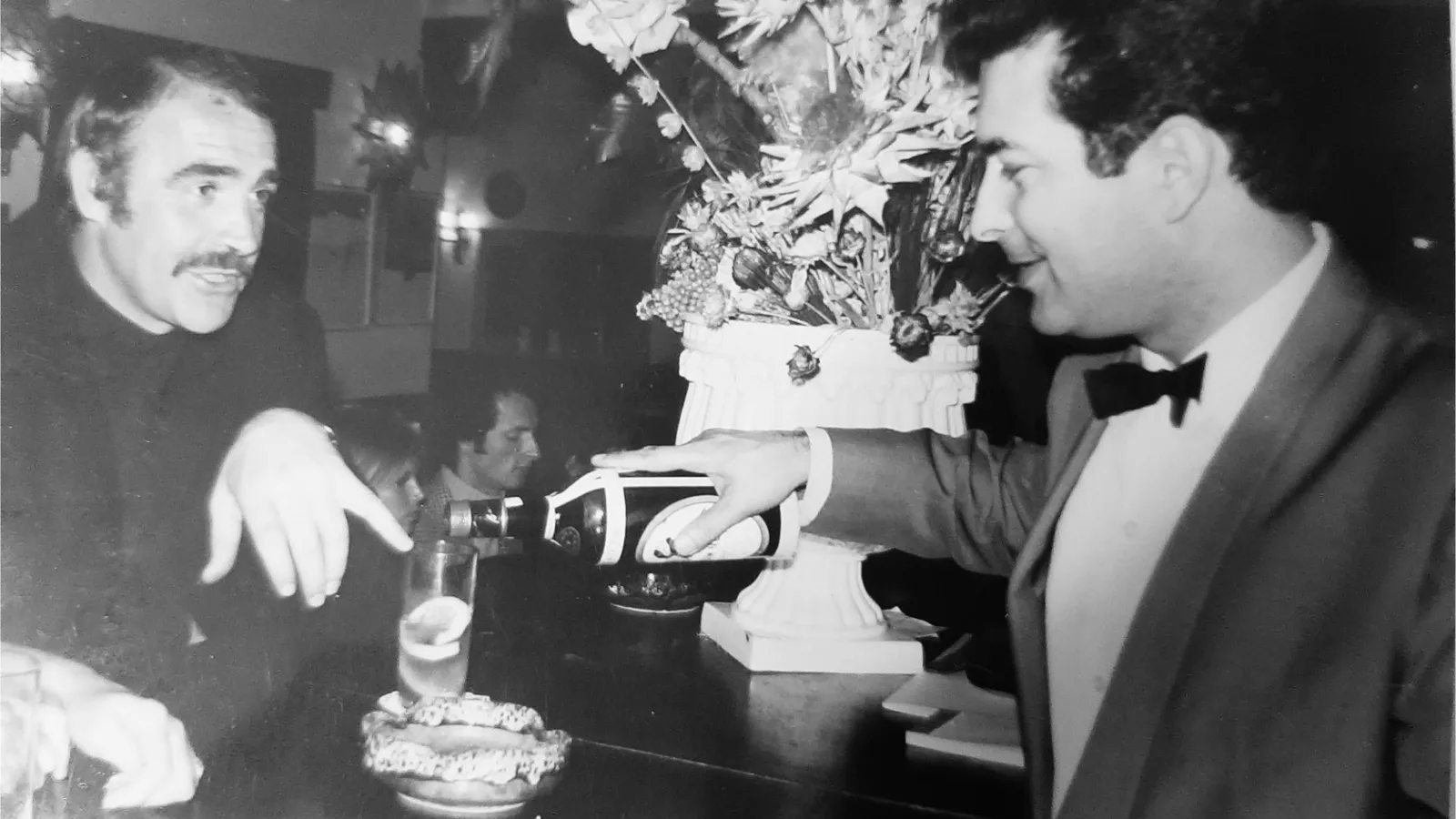
Paco Guerrero: From Taking Care of Pigs to Serving in the Main Luxury Hotels
Marbella
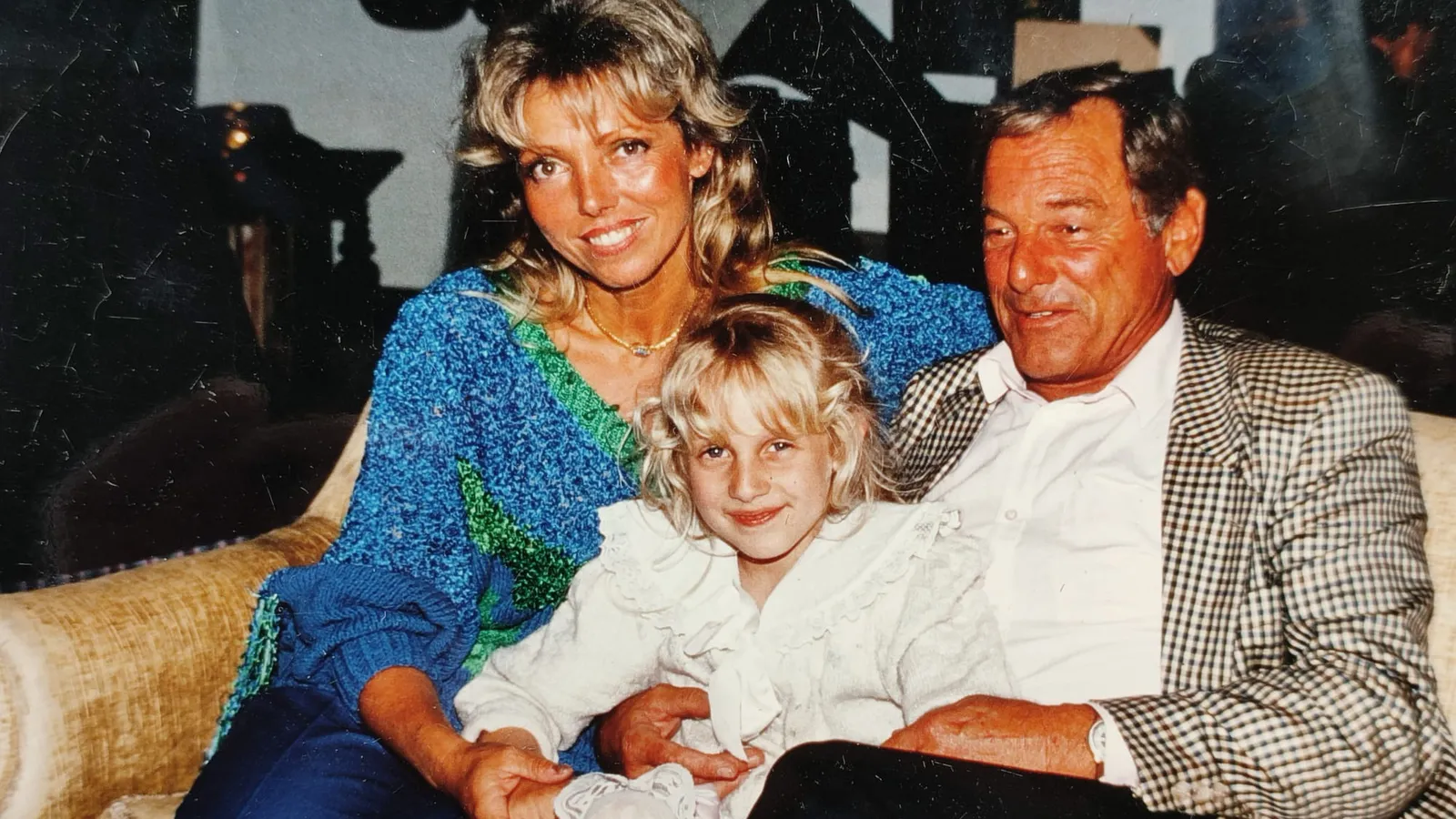
Caroline Schell: Painter and Sculptor in an Actors' Clan in Marbella
Marbella
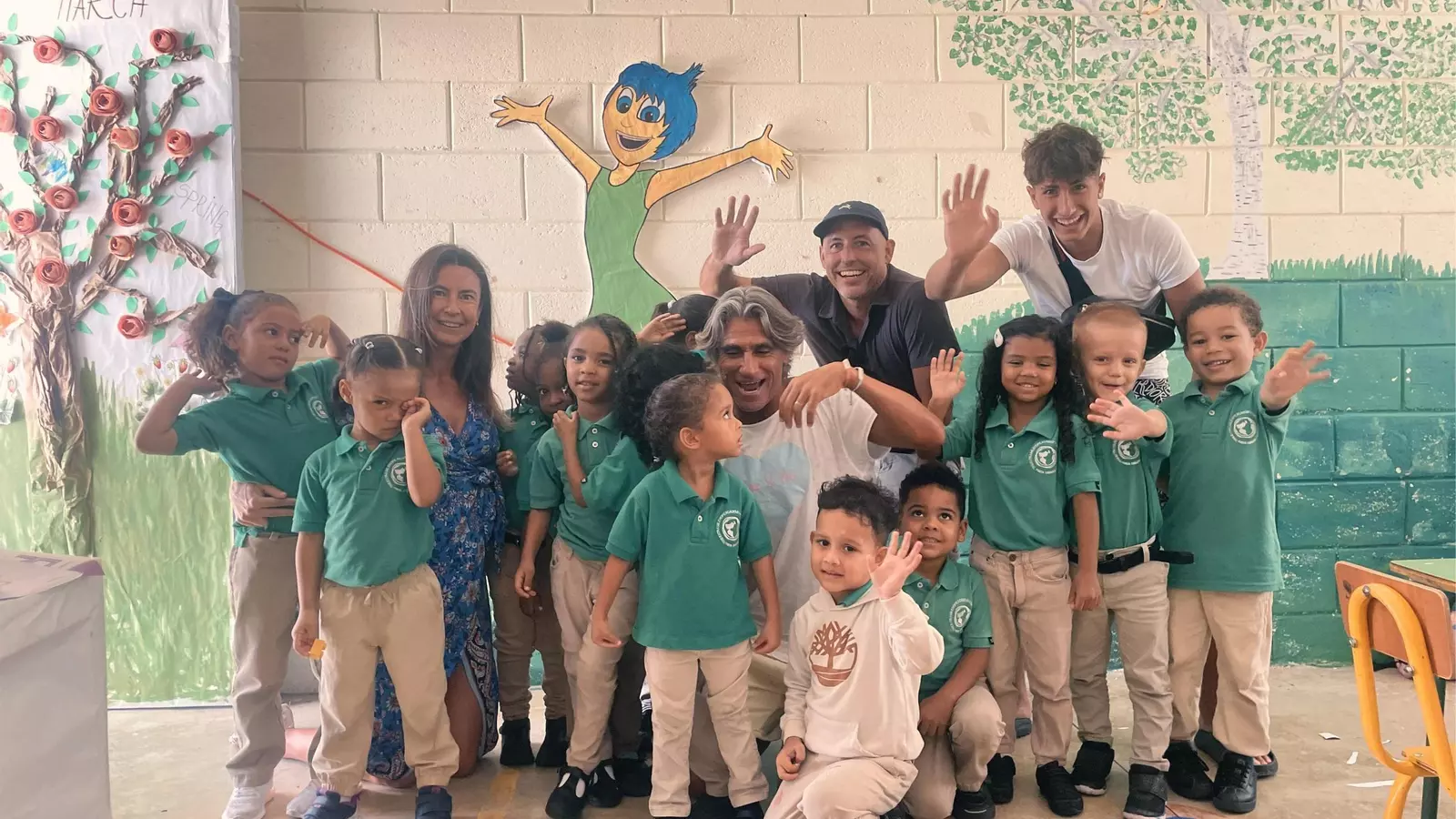
Pepe Imaz, Djokovic's Emotional Coach
Marbella
