


A Chilly Rome for the Triumph of the Virgin of Hope and the Cachorro
Malaga and Seville Make History in the Grand Jubilee Procession of the Brotherhoods, with a Hasty End Due to RainThe route feels somewhat bleak due to excessive fencing
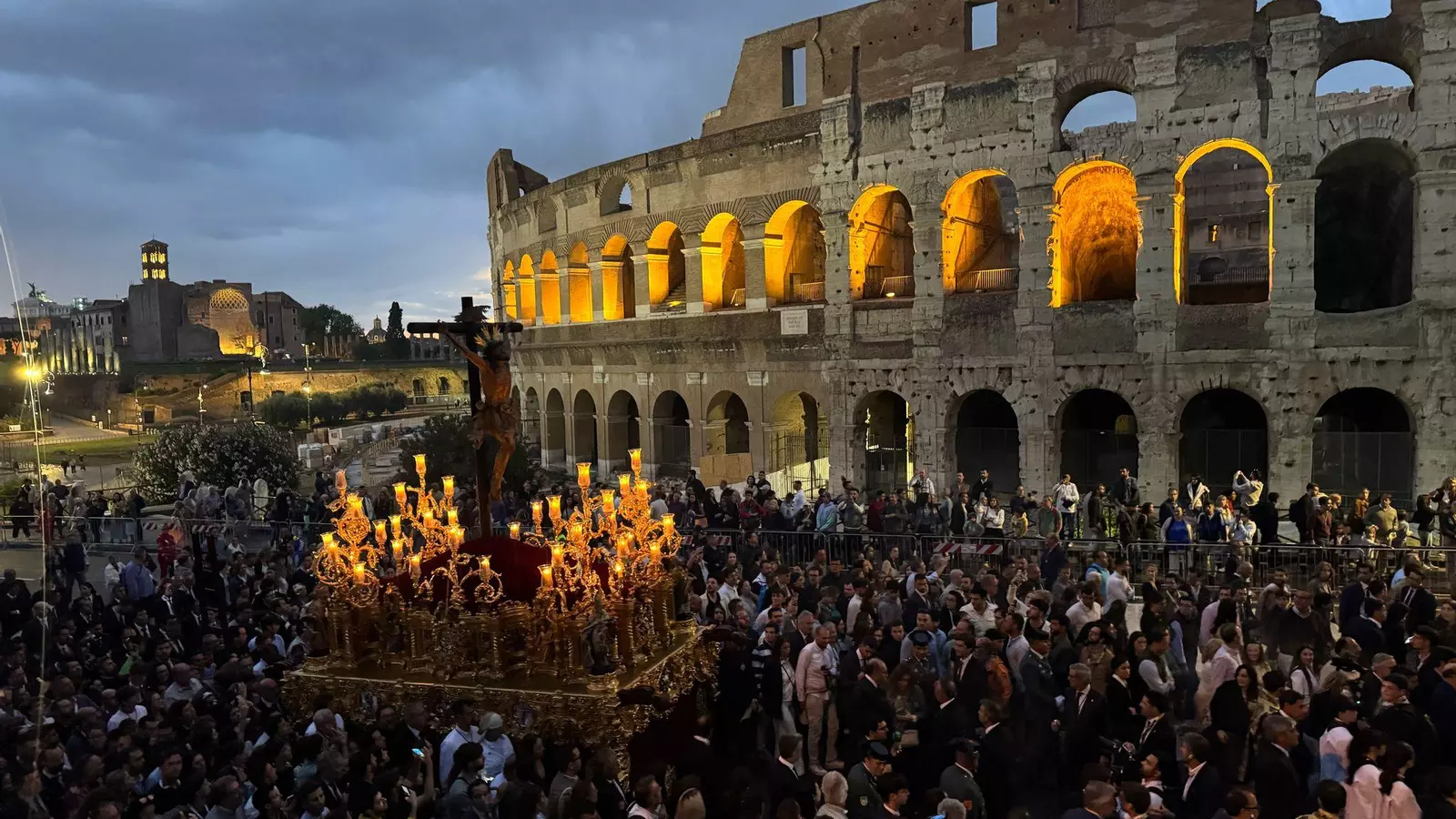

Rome/May 17, 2025 is a historic date for the popular religiosity of Andalusia. Two brotherhoods from two key cities in Spanish Holy Week have brought to ancient Rome two major devotions, the Virgen de la Esperanza from Málaga and El Cachorro from Sevilla. An event that no one disputes.
Another matter is the impact that this extraordinary pilgrimage has had on the universal Church and on the Italian capital itself, where the audience that attended the Grand Jubilee Procession of the Brotherhoods was primarily Spanish (one might say Andalusian, but let's be generous) and tourists who were surprised by this peculiar procession. Romans, as Romans go, very few. A day when rain was not absent, which hastened its end and concluded with the death of a man from Seville who had attended this important event.
The Grand Procession begins at Monte Celio, a residential neighborhood next to the Coliseum, epitome of mass tourism. Its surroundings magnify the image seen in the heritage environment of any Andalusian city. Groups of visitors with caps, backpacks, and sports shoes that you have to constantly dodge. Guides with various flags and speaking in multiple languages. The new Capitoline she-wolf that nurses the old Europe to the point of surfeit. Rome, a mother in so many ways.
In the Piazza de Celimontana there are two tents set up. One of more conventional size, from which the Nazareno de León will emerge, once belonging to the Sevillan brotherhood of San Gonzalo, and another that could be described as premium, given its dimensions and accessories. It is reserved for El Cachorro and the Virgen de la Esperanza, the images of the Grand Procession, the VIP section of the event. Other crucifixes, like those from Sicily, are practically 'parked' on the sidewalk, waiting for the procession to start.
Impressive image of the Esperanza de Málaga, next to the Coliseum during the procession in Rome. / JUAN CARLOS MUÑOZMonte Celio quickly buzzes in a way unlike its usual quiet streets. Nazarenos from León, costaleros from Sevilla, and men of the throne from Málaga fill the local bars, which are overwhelmed. In one of them, in less than 15 minutes, the Peroni beer runs out, reminiscent of Andalusian brands. Foreman Ismael Vargas arrives with his men, all dressed in white shirts and black trousers, courtesy of the Ecijan brand Álvaro Moreno. The owners of the establishment go into a state of stress.
Part of the crew moves to a nearby pizzeria, which also sees a boom. It's noon, but the stomach feels it's three in the afternoon. Monte Celio increasingly takes on the features of an Andalusian neighborhood on a brotherhood day. A festive atmosphere where different forms of popular religiosity coexist, perhaps one of the most authentic moments of the day.
The procession starts to move shortly after 13:30. Its first part is the most peculiar. Or exotic, as you prefer. There are women in mantillas and sports shoes, penitential robes with not-so-discreet footwear, and a Vatican Santa Ana with a floral adornment that seems plucked directly from the Palatine Hill.
This first part also includes notable examples of popular religiosity. The Nazareno de León leads a large procession, where its members wear black tunics. They walk in groups of seven, and the musical band plays marches well-known to Andalusians. The float carries the most striking floral decoration of the day. Every botanical species imaginable finds its place here, in abundance and color, escaping any symmetry and measure. The Nazareno, by the way, has been on display these days in a busy church of San Andrés del Valle. With its candles and flowers, without the restrictions imposed on El Cachorro and the Esperanza in the Vatican, where museum reasons have prevailed, a concept that is also beginning to spread in Andalusian temples. Again, the Capitoline she-wolf of tourism. Nursing to the point of surfeit.
The dolorosa from Enna, under its peculiar and tiny canopy, should not be overlooked. The musical accompaniment is a delight. Pure Italian realism.
The most crowded area of the public is the one that runs alongside the Coliseum, turned into a privileged balcony for its visitors. It is also the most beautiful spot of a route that feels lackluster, due to continuous fencing that keeps the public too far from the sacred images. Here, one of the principles of popular religiosity is breached, the closeness and participation of those who come to see the brotherhoods. Without the complicity of the people, they are reduced to a mere parade.
The procession moves very slowly, with stops that exceed ten minutes, which invites boredom for a few moments. The spirit and body are lifted with the Andalusian finale. It's not chauvinism; it's that 90% of those watching the procession are from southern Spain. Sevillans and Malagueños. Their medals give them away. And the occasional tourist who has been surprised by this devotional display in the bowels of ancient Rome.
El Cachorro adds elegance to the day, with a repertoire of classic marches that become the best soundtrack for this afternoon, which has gone from the sky's blue to a gray that starts to worry the attendees. A color many from Triana are accustomed to on Good Friday. The first heavy drops fall.
The most lackluster part of the procession, that of the circus max. No one doubts the historical significance of a site now turned into a vast esplanade surrounded by pine trees. It could be Rome or the residential development of any European city. Too much space for a procession that gathers the crowd that can be seen at the entrance of a brotherhood late at night.
At least, the buzz of the Virgen de la Esperanza, with its constant cheers, fills this physical void. "Beautiful" and "Queen of Málaga" are the cries that follow as the colossal throne advances where once chariots raced. "Here goes all of Málaga!", says a devotee on an afternoon that has turned unpleasant.
Great ovation for the Esperanza in Rome: "Long live the Queen of Málaga"A few meters away is the officials' stand, clad at its heights in a bright red that resembles a gas station. There, the president of the Junta de Andalucía asserts that this Saturday "Andalusia has taken Rome". A hyperbolic statement that expresses the experiences of these jubilee days.
The evening wanes. There is a crowd around the Coliseum waiting for the procession to return. No one wants to miss the Sevillan step and the Malagueño throne by this magnificent building with nighttime lighting. Pizzas are eaten (substituting the typical sandwich of Holy Week days) and some have even bought chairs.
The Nazareno de León runs through the streets of Rome to take refuge as soon as possibleThe rain—that old acquaintance of the brotherhoods—also plays a role in the day. A severe downpour surprises the procession a few meters from the coliseum. The water soaks through and accelerates the procession, which, paradoxically, removes the stiffness of the earlier hours.
The brotherhood from Málaga falls behind, a huge gap between the crucified Sevillan and the procession of the dolorosa. The hurried return offers a beautiful moment. The illuminated Coliseum, El Cachorro, and 'Amarguras', whose sounds resonate in this architectural wonder. It's a pity that the incomprehensible fences eliminate any hint of warmth between the superb image of Ruiz Gijón and the audience enduring a second downpour.
At that time, by the way, the death of a young man from Los Palacios on a scooter who had attended the Grand Procession is reported. A sad end for May 17, 2025, a day that will go down in history. The day when—despite the incomprehensible fencing—El Cachorro expired in Rome and the Virgen de la Esperanza reigned over it. A Rome with rain. Without warmth. Neither from the sun. Nor from the city.

Latest news





Upcoming events
12
Nov
El Desembarco, la traición de Viriato at La Caja Blanca
12
Nov
HOMER El Mero Mero at Sala Trinchera Málaga
13
Nov
Marbella Startup Lab – Innovate & Collaborate
13
Nov
Candlelight: Coldplay & Imagine Dragons at Sala Fundación Unicaja María Cristina
13
Nov
Candlelight: Tribute to Ludovico Einaudi at Anantara Villa Padierna
Similar News
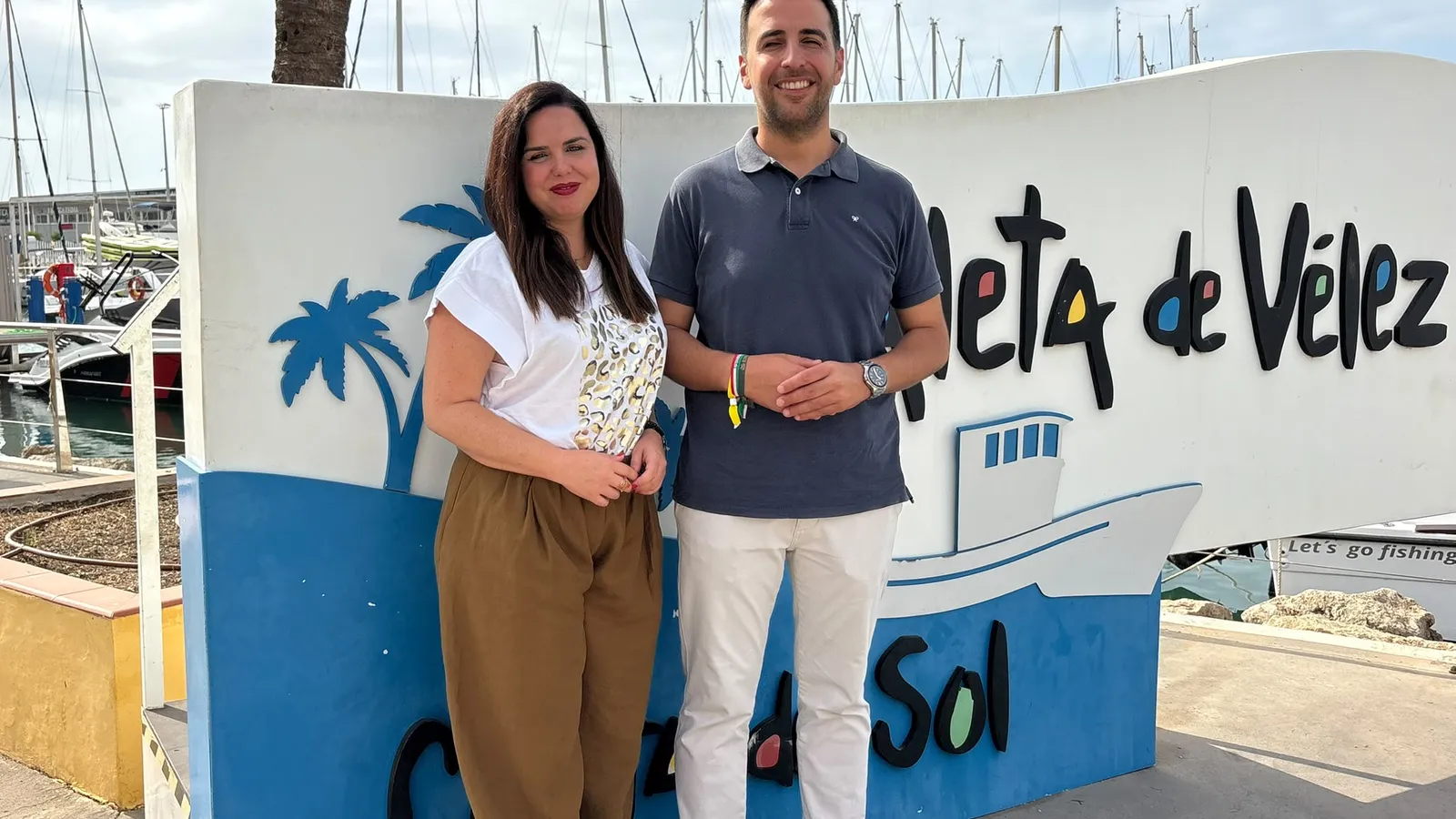
Classrooms move to the sea: hundreds of schoolchildren take to the port of Caleta de Vélez by catamaran
Vélez-Málaga
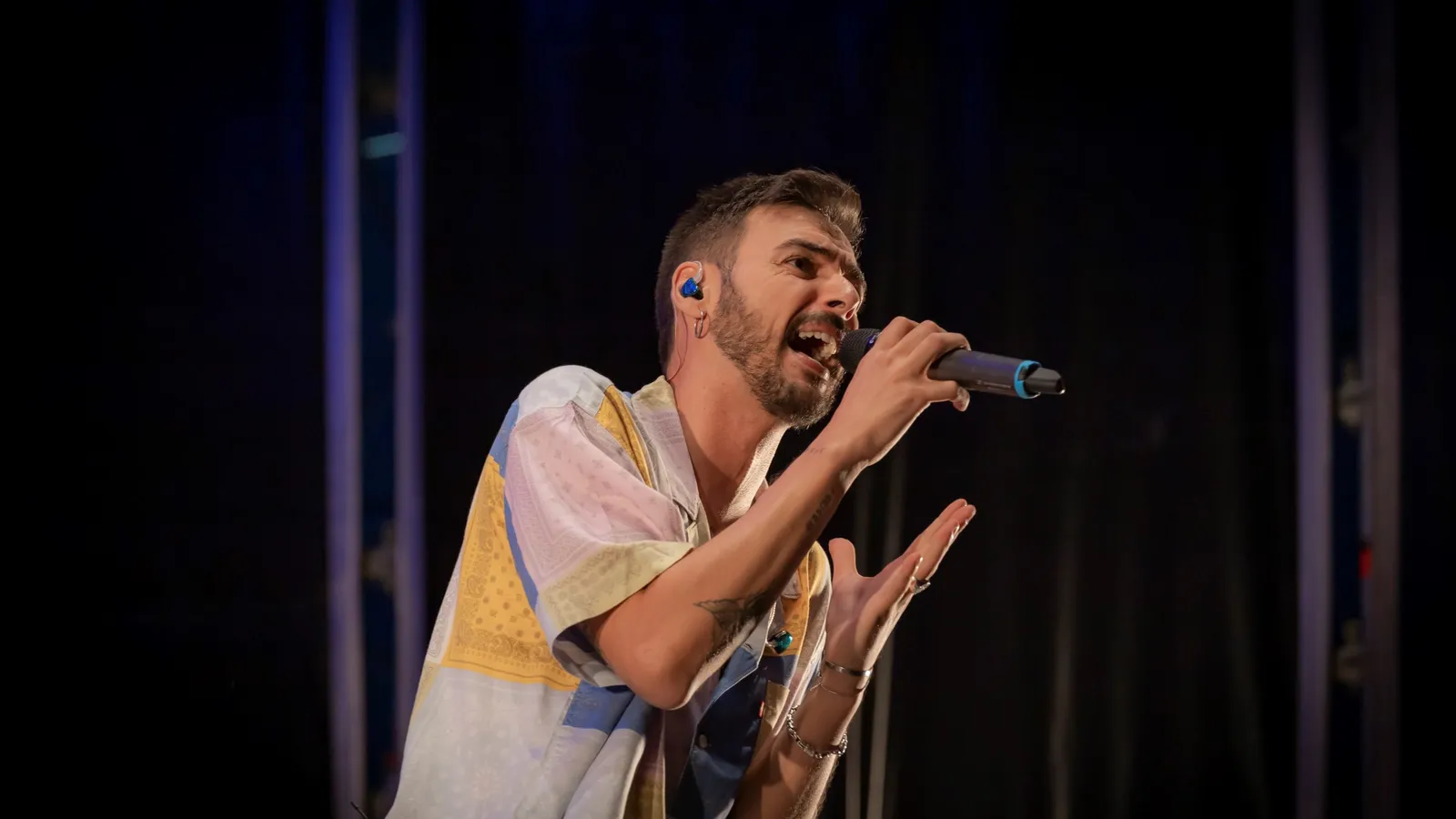
Raule, a tribute to Manuel Carrasco and Óliver Gil, headline the San Juan Night in Torre del Mar.
Vélez-Málaga

Vélez-Málaga organizes a free female self-defense workshop against gender violence
Vélez-Málaga
