


Lupus, a Disease Still Invisible to the Healthcare System
50% of patients suffer organic damage within the first five years after receiving the diagnosis.
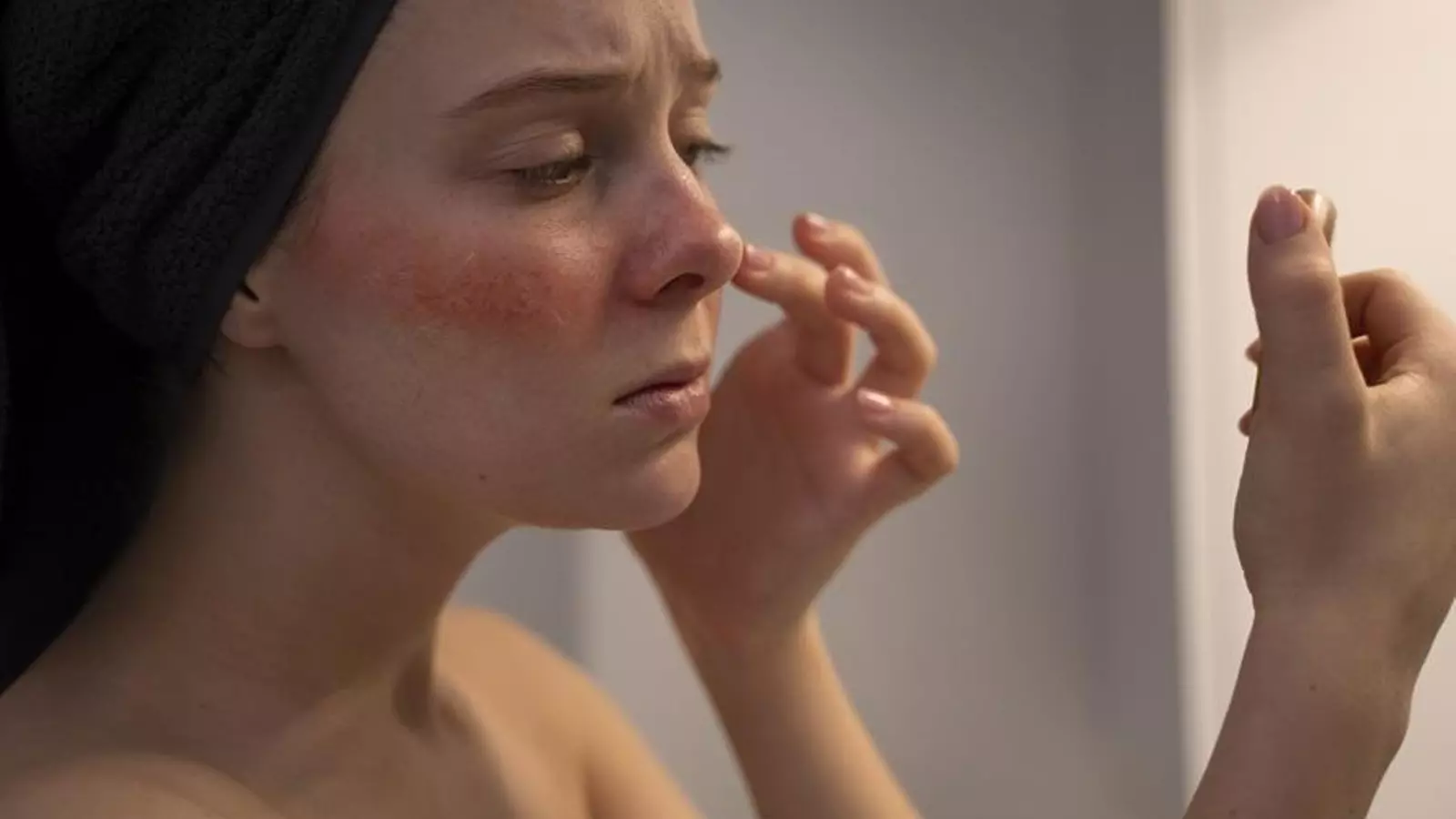

More than 75,000 people suffer from systemic lupus erythematosus (SLE) in Spain, an autoimmune disease that continues to be a great unknown both to the society and the health system. Although significant advances have been made in its early diagnosis and treatment in recent years, the Spanish Society of Rheumatology (SER) insists that lupus remains "an outstanding issue" for the National Health System.
Doctor María Galindo, a rheumatologist at the 12 de Octubre University Hospital in Madrid and spokesperson for the SER, highlights that “the early introduction of biological treatments and treat to target strategies, along with a multidisciplinary approach, are improving the prognosis for patients.” Among the most characteristic symptoms, one of the most visible is the malar rash, a butterfly-shaped facial eruption that appears in more than half of the patients and gives its name to this year's campaign.
Beyond the skin, vital organs such as the kidneys, heart, or lungs can be affected, and one in two patients suffers irreversible organ damage within the first five years after diagnosis. This early impact underscores the need for swift detection and comprehensive care. Doctor Galindo herself emphasizes that “multidisciplinary teams are also being implemented, coordinated by Rheumatology, in collaboration with specialties such as Nephrology, Hematology, or Dermatology, to address the disease more globally.”
From Felupus, its president, Silvia Pérez, emphasizes that lupus is a disease “invisible, yet deeply limiting.” She calls for greater social empathy and psychological support for those affected, as well as increased investment in research, a demand shared by professionals and associations. “The patient must be listened to and properly informed,” she notes.
According to Doctor Galindo, the future is “promising,” with new developments underway such as dual-action antibodies and CAR-T therapies. Meanwhile, Eva Mora from GSK, highlights the industry’s commitment in this area: “We work every day to deliver the best health outcomes for people with SLE.”
The Butterfly as an Emblem
On the occasion of World Lupus Day, commemorated each May 10th, the Spanish Rheumatology Foundation, together with Felupus, AMELyA, and GSK, has launched the campaign “Butterflies Don't Fade Away.” The main goal is to raise awareness about the impact of lupus, engage society in its visibility, and highlight the resilience of those living with this disease. The butterfly symbol —which refers to the malar rash— is also an emblem of resistance. The campaign is inspired by a recent National Geographic report on the disappearance of butterflies in nature, paralleling the invisibility of lupus. As a hopeful counterpoint, it refers to the story of the monarch butterfly, whose population has recently doubled, reflecting the strength with which patients face their daily lives. The main event was held yesterday Saturday at Manuel Becerra Square in Madrid, featuring an artistic coffee workshop led by Ukrainian artist Viktoriia Moshna, also a lupus patient. Additionally, the promoters of the initiative invite citizens to participate on social media with the hashtags #WorldLupusDay and #RheumatologyTransformsLives, to give wings to a cause that still needs to fly higher.

Latest news





Upcoming events
12
Nov
El Desembarco, la traición de Viriato at La Caja Blanca
12
Nov
HOMER El Mero Mero at Sala Trinchera Málaga
13
Nov
Marbella Startup Lab – Innovate & Collaborate
13
Nov
Candlelight: Coldplay & Imagine Dragons at Sala Fundación Unicaja María Cristina
13
Nov
Candlelight: Tribute to Ludovico Einaudi at Anantara Villa Padierna
Similar News

Marbella Launches ‘Summer Youth’ Programme with 2,500 Free Places
Marbella

Premium Tourism Drives Marbella’s Hotel Profitability to Record Levels as Overnight Stays Exceed 291,000
Marbella

‘Machos Alfa’ seeks extras in Marbella for filming of its sixth and final season
Marbella
