


Casabermeja: The Málaga Village Where Goat Meat Is a Culinary Institution and the Cemetery Looks Like a White Town
Just over 20 kilometres from Málaga city, Casabermeja combines two unusual attractions: celebrated cuisine based on Málaga suckling goat and one of Andalusia’s most distinctive cemeteries, officially protected as an Asset of Cultural Interest.
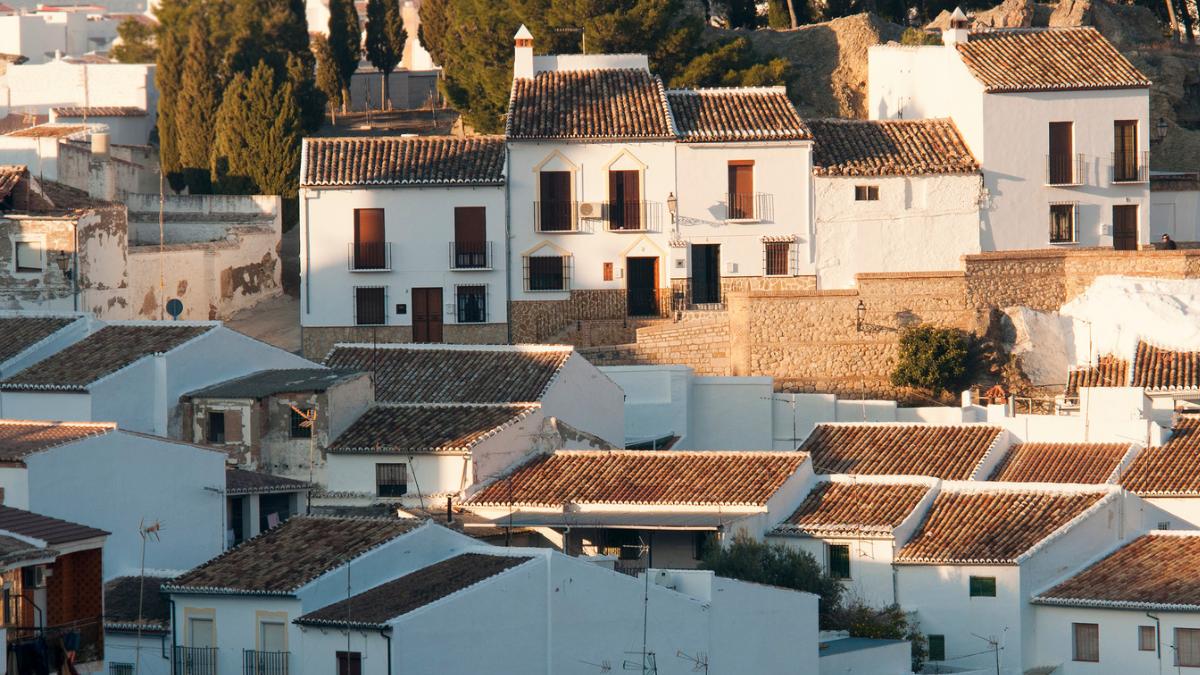

A food-focused day trip from Málaga
Casabermeja is one of those places many travellers pass on the motorway without stopping to discover what lies beyond it.
Located in the Montes de Málaga, just over 20 kilometres from the provincial capital, the village retains a strong rural identity, cuisine closely connected with livestock farming and a surprisingly rich historical heritage.
Málaga suckling goat is the star attraction in its restaurants. It can be served roasted, cooked with garlic, used in traditional stews or reinterpreted through more contemporary techniques.
This culinary tradition has recently received further recognition. Local restaurant El Corte won first prize in the 10th Provincial Málaga Suckling Goat Cooking Competition with a dish that turned traditional garlic goat into a meatball.
The award strengthens Casabermeja’s reputation as one of the best destinations in the province for tasting this local product.
A creative version of garlic goat
The winning recipe preserves the flavour of the traditional dish while changing its presentation.
Goat meat is chopped by hand and shaped into a meatball inspired by the classic garlic preparation. It is served on a potato confited in the animal’s own fat and fried immediately before serving.
Chestnut purée and rosemary foam complete a dish connected with the flavours of the countryside and autumn cooking.
El Corte defeated eight other restaurants from across Málaga province. La Fábrica restaurant school in Antequera received second prize, while Restaurante Cándida in Alameda finished third.
The result demonstrates that suckling goat can retain its identity while being incorporated into more creative cooking.
Why suckling goat matters in Casabermeja
Casabermeja has a close connection with the Málaga goat, a native breed adapted to the province’s landscape and climate.
Suckling goat meat is known for its pale pink colour, tender texture and delicate flavour. These characteristics make it suitable for traditional recipes as well as contemporary dishes.
Local restaurants serve cutlets, pastoral-style stews, roast goat and garlic preparations. The meat also appears in croquettes, tapas and tasting menus.
The municipality celebrates its annual Málaga Goat Festival, combining food, cultural events, dairy products and visits to heritage sites.
Where to eat goat in Casabermeja
El Corte is situated beside the A-45 motorway at exit 127, making it an accessible stop for travellers between Málaga and Antequera.
However, the village has a broader restaurant selection. Asador Puerta de Málaga is known for roast goat, while La Romana serves pastoral-style preparations. Venta Pedro also specialises in Málaga suckling goat.
El Tapiteo offers dishes such as goat croquettes, while many of the village’s bars and restaurants are concentrated around Calle Real and Paseo Puerto de la Horca.
Checking opening times and booking in advance is advisable, particularly at weekends and during food festivals.
A cemetery resembling a miniature white village
After lunch, the essential visit is San Sebastián Cemetery, whose architecture has made it one of Spain’s most recognisable burial grounds.
The tombs occupy a steep site and feature white façades topped with pediments, roofs and crosses. From outside, they resemble small houses arranged along narrow streets.
The result creates the impression of a miniature Andalusian white village. Its appearance has inspired numerous legends, although it is the product of a particular type of funerary architecture developed over many years.
The cemetery was declared an Asset of Cultural Interest in the Monument category in 2006. This status recognises its historical, architectural, documentary and landscape value.
Its origins date back to the 17th century. Its elevated position between the urban area and the surrounding countryside has made it a symbol of Casabermeja.
As it remains an active cemetery, visitors should behave respectfully and avoid disturbing ceremonies or photographing people without permission.
Nuestra Señora del Socorro Church
Another important landmark is Nuestra Señora del Socorro Church, originally constructed in the 16th century and subsequently enlarged.
Its reddish brick tower rises above the village’s white houses and is one of the most recognisable features of Casabermeja’s skyline.
Together with the cemetery, the church reflects the village’s historic importance along the route connecting Málaga with inland Andalusia.
The prehistoric paintings of Peñas de Cabrera
A few kilometres from the village lies the archaeological site of Peñas de Cabrera.
The landscape contains numerous sandstone shelters with schematic cave paintings, some of which are more than 5,000 years old. They include human figures and other forms created with reddish pigments.
Visiting requires more planning than exploring the village centre. The route may not always be clearly marked and can become difficult after heavy rain, so suitable footwear and advance information are recommended.
Torre Zambra and its views
The trip can be completed with a walk to Torre Zambra, an old watchtower built above the Guadalmedina river basin.
Its surroundings offer extensive views across the Montes de Málaga, the provincial capital and the Mediterranean. On particularly clear days, the panorama can stretch towards distant mountain ranges and the North African coastline.
The route reveals the landscape that has shaped Casabermeja’s history and cuisine: hills, olive groves, farmland and areas traditionally used for grazing.
What else to eat in Casabermeja
Suckling goat may be the village’s star product, but the local cuisine includes several other country recipes.
Migas, cabbage stews with meat, olive-oil cakes and cheeses made from goat’s milk form part of its culinary heritage. Olive oil produced in the surrounding area is another important local product.

Latest news

Upcoming events
22
Nov
ODISEA – Film Symphony Orchestra: The Greatest Film Soundtracks Live in Concert
22
Nov
Candlelight: Tribute to Hans Zimmer at Gran Hotel Miramar
22
Nov
Candlelight: Vivaldi's Four Seasons at Gran Hotel Miramar
23
Nov
Drive Your Plow Over the Bones of the Dead – Teatro Echegaray, Málaga
25
Nov
La Cubana – La cuisine de ma cousine in Málaga
Similar News
Best Málaga wines of 2026 revealed: Seven award-winning wines from five local wineries
Provincia de Málaga
Five Málaga Restaurants for Gazpachuelo, Fabada and Hearty Autumn Stews
Provincia de Málaga
Cheese and pine nut croquette takes Málaga’s Despechá Taberna to the provincial final
Provincia de Málaga
