


Best Málaga wines of 2026 revealed: Seven award-winning wines from five local wineries
Málaga Provincial Council has recognised wines produced by Jorge Ordóñez, La Melonera, Los Frutales, A. Muñoz Cabrera–Dimobe and Virgen de la Oliva–Carpe Diem. A record 94 wines from 19 wineries entered the competition, with €29,150 allocated to promoting the province's wine industry.
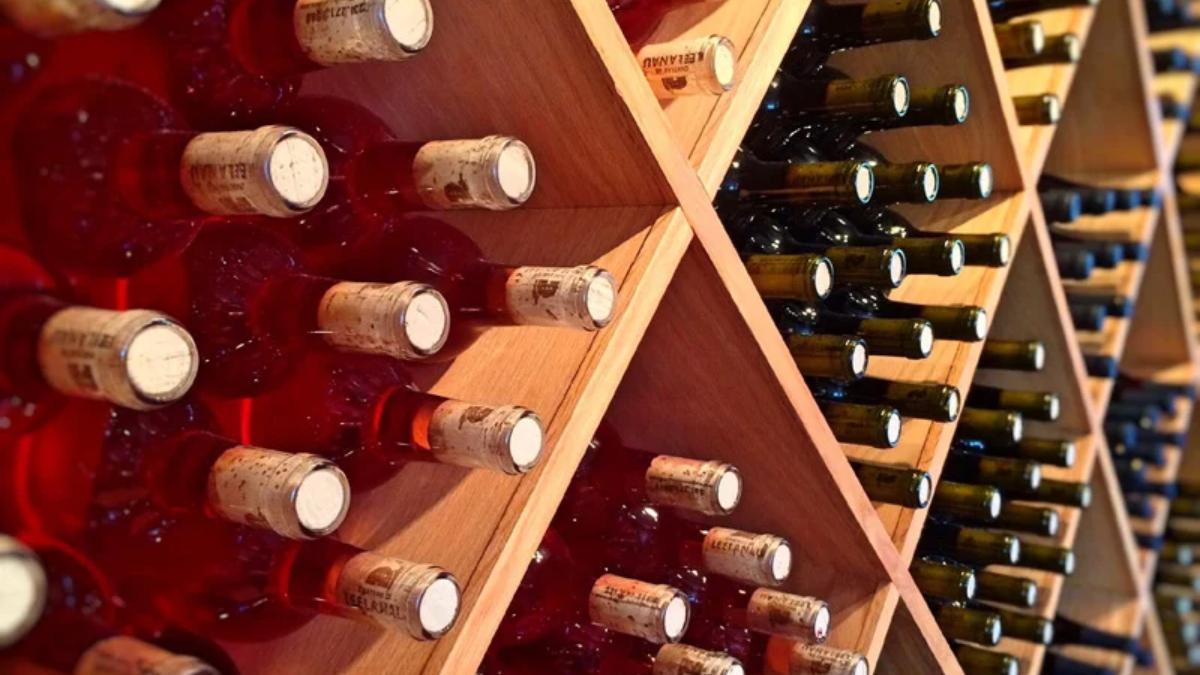

Málaga has revealed the winners of one of the province's leading wine competitions, with seven wines from five wineries receiving recognition at the 12th Best Wines of Málaga and Sierras de Málaga Designations of Origin Awards. Organised by Málaga Provincial Council through its Sabor a Málaga initiative, the competition celebrates the quality and diversity of wines produced across the province.
This year's event attracted its highest participation to date, with 94 wines submitted by 19 wineries from ten municipalities, reflecting the range of winemaking traditions and styles found throughout Málaga.
The six main awards went to Botani, Encina del Inglés Tinto 2025, Garnacha, Piamater 2023, Zumbral and Seco Trasañejo Dimobe, each recognised in its respective category.
A seventh wine, Montespejo, received a special commendation in the young white wine category.
One of the competition's main highlights was the success of A. Muñoz Cabrera–Dimobe, which secured three awards for its sweet and fortified wines.
The winners were selected following two days of tastings held at Cortijo de Pozoancho in Antequera, where professionals from the wine and gastronomy sectors evaluated the entries.
The seven award-winning Málaga wines of 2026
The competition recognises several wine styles, ranging from young whites to oak-aged reds and traditional sweet wines.
Here is the complete list of winners:
| Category | Award-winning wine | Winery |
|---|---|---|
| Best white wine, Sierras de Málaga DO | Botani | Jorge Ordóñez |
| Best still sweet wine, Málaga DO | Piamater 2023 | A. Muñoz Cabrera–Dimobe |
| Best red wine aged up to six months in oak, Sierras de Málaga DO | Encina del Inglés Tinto 2025 | La Melonera |
| Best red wine aged over six months in oak, Sierras de Málaga DO | Garnacha | Los Frutales |
| Best sweet fortified wine, Málaga DO | Zumbral | A. Muñoz Cabrera–Dimobe |
| Best dry fortified wine, Málaga DO | Seco Trasañejo Dimobe | A. Muñoz Cabrera–Dimobe |
| Special commendation, young white wines | Montespejo | Virgen de la Oliva–Carpe Diem |
Each of the six main awards carries an allocation of €4,580, while the special commendation is worth €1,670.
These amounts are used by the Provincial Council to purchase the winning wines for promotional activities rather than being awarded as unrestricted cash prizes.
Muñoz Cabrera–Dimobe wins three awards with wines from the Axarquía
One of the competition's most significant results came from A. Muñoz Cabrera–Dimobe, a winery based in Moclinejo, in Málaga's Axarquía region.
The winery claimed three of the six main awards, all in categories closely connected with Málaga's traditional winemaking identity.
Its first award went to Piamater 2023, recognised as the best still sweet wine under the Málaga Designation of Origin.
The second was awarded to Zumbral, which won the best sweet fortified wine category.
The third went to Seco Trasañejo Dimobe, named the best dry fortified wine.
This result highlights the winery's ability to produce different wine styles while maintaining a prominent presence in the provincial competition.
It also demonstrates that Málaga wine is not limited to a single category, with a wide variety of styles produced under its protected designations of origin.
Piamater 2023 named Málaga's best still sweet wine
Piamater 2023, produced by A. Muñoz Cabrera–Dimobe, won the award for best still sweet wine under the Málaga Designation of Origin.
The term 'still wine' refers to wines that are not characterised by the carbon dioxide bubbles associated with sparkling wines.
In this category, the award recognises a sweet wine produced under Málaga's protected designation.
The distinction highlights a style deeply rooted in the province's winemaking history.
Málaga's sweet wines have enjoyed considerable commercial and cultural importance over the centuries and continue to occupy an important place in local production.
The recognition of Piamater 2023 helps draw attention to this category and the wineries that continue to produce it.
Zumbral and Seco Trasañejo Dimobe complete the winery's hat-trick
The other two awards won by A. Muñoz Cabrera–Dimobe were presented in the fortified wine categories.
Zumbral was recognised as the best sweet fortified wine under the Málaga Designation of Origin.
Meanwhile, Seco Trasañejo Dimobe received the award for best dry fortified wine.
The two categories represent different styles, particularly in terms of sweetness, although both belong to the winemaking traditions protected by the Málaga designation.
The term trasañejo is associated with extended ageing, a historic characteristic of certain Málaga wines.
Winning three awards across different styles was one of the most notable achievements of this year's competition.
The result also strengthens the presence of Moclinejo and the Axarquía within Málaga's wine industry.
Botani by Jorge Ordóñez named best Sierras de Málaga white wine
In the white wine category under the Sierras de Málaga Designation of Origin, the award went to Botani, produced by Bodega Jorge Ordóñez.
The wine is associated with efforts to showcase the potential of the Moscatel grape in dry white wine production.
The winery has developed a career focused on producing and marketing Málaga wines, with particular attention to grape varieties traditionally grown in the province.
Botani's award highlights a side of Málaga's wine industry that may be less familiar to consumers than its sweet wines.
The Sierras de Málaga Designation of Origin also covers dry white wines and other styles that demonstrate the region's diverse winemaking potential.
The recognition helps broaden the image of Málaga wines among consumers looking beyond the dessert wines traditionally associated with the province.
La Melonera wins with Encina del Inglés Tinto 2025
Red wines also feature prominently in the competition.
In the category for Sierras de Málaga DO reds aged up to six months in oak barrels, the winner was Encina del Inglés Tinto 2025, produced by La Melonera.
The winery is associated with the Ronda wine region, an area of Málaga province that has developed a significant reputation for still wine production.
This category recognises red wines with a relatively short period of oak ageing.
Time spent in barrels can influence certain characteristics of a wine, although the final result also depends on the grape varieties used and decisions made during production.
The award for Encina del Inglés Tinto 2025 reinforces the presence of wines from the Ronda area in the provincial competition.
Garnacha by Los Frutales recognised among longer-aged red wines
The second red wine category recognised Garnacha, produced by Bodega Los Frutales.
The award covers wines under the Sierras de Málaga Designation of Origin that have spent more than six months ageing in oak barrels.
This distinction separates the category from red wines with shorter periods of barrel ageing.
Ageing is one of the factors that can influence a wine's development, contributing to complexity and changing certain aromatic and flavour characteristics.
However, the award itself does not establish specific tasting notes or sensory qualities that have not been published by the judging panel.
The recognition of Garnacha adds another winery to the winners' list and demonstrates the range of producers involved in Málaga's red wine sector.
Montespejo by Virgen de la Oliva–Carpe Diem receives special commendation
In addition to the six main awards, the judges presented a special commendation to Montespejo, a young white wine produced by Virgen de la Oliva–Carpe Diem.
The winery is located in Mollina, in the Antequera region, an area with a long-standing connection to wine production.
The commendation recognises this wine among the entries submitted to the competition.
The distinction carries an allocation of €1,670, also intended for the purchase of wine for promotional activities.
The presence of a winery from Mollina among the winners demonstrates the geographical diversity of Málaga's wine industry.
The awards are not concentrated in a single municipality, but recognise wines from several different parts of the province.
Antequera hosts tastings of 94 wines from ten municipalities
The winners were selected during two days of tastings held on November 17 and 18, 2026.
The venue was Cortijo de Pozoancho in Antequera, where the competition's 94 entries were evaluated.
In total, 94 wines from 19 wineries were submitted, originating from ten municipalities:
- Almáchar.
- Antequera.
- Arriate.
- Fuente de Piedra.
- Málaga.
- Moclinejo.
- Mollina.
- Ronda.
- Sayalonga.
- Vélez-Málaga.
According to Málaga Provincial Council, this represented a record number of entries for the competition.
The variety of participating municipalities illustrates how wine production extends across areas such as the Axarquía, the Serranía de Ronda and the Antequera region.
Growing conditions, grape varieties and production methods can produce very different wine styles within the protected designations of origin.
For this reason, the competition includes several categories rather than a single overall award.
How the 94 wines were divided between categories
The 12th edition included entries across all six official categories.
The submitted wines were distributed as follows:
| Category | Number of wines |
|---|---|
| White wines, Sierras de Málaga DO | 24 |
| Still sweet wines, Málaga DO | 10 |
| Red wines aged up to six months in oak, Sierras de Málaga DO | 19 |
| Red wines aged over six months in oak, Sierras de Málaga DO | 21 |
| Sweet fortified wines, Málaga DO | 17 |
| Dry fortified wines, Málaga DO | 3 |
| Total | 94 |
White wines represented the category with the largest number of entries, followed by red wines aged for more than six months in oak.
This distribution shows that the competition includes both styles associated with Málaga's historic winemaking traditions and contemporary white and red wines.
The dry fortified wine category received three entries, compared with 24 in the white wine category.
Specialist judging panel selects the winning wines
The competition was judged by a panel chaired by Leonor García-Agua, director of Sabor a Málaga.
The panel included professionals working in food and wine journalism, criticism and sommelier services.
Among its members were Enrique Bellver López, journalist and food critic; Paz Ivisón Correa, specialist food and wine journalist; and Juan José Sánchez Vidal, president of the Málaga–Costa del Sol Sommeliers Association.
Another member was Nadia Cecilia Morales, a wine specialist trained at the Argentine School of Sommeliers, with experience in restaurants in Málaga and Marbella.
The judging panel brought together different professional perspectives when evaluating the submitted wines.
Awards were presented to the selected wines within each category and should not be interpreted as a universal ranking of every wine produced in Málaga.
What is the difference between Málaga DO and Sierras de Málaga DO wines?
Understanding the two protected designations of origin is important when interpreting the award results.
The Málaga Designation of Origin (DO Málaga) is particularly closely associated with traditional sweet wines and fortified wines.
These include historic styles that form part of the province's gastronomic and commercial identity.
The Sierras de Málaga Designation of Origin (DO Sierras de Málaga), meanwhile, is associated with still wines, including white and red varieties produced using different methods.
Both designations identify wines produced according to requirements established by their respective regulations.
However, the characteristics of each wine depend on factors including grape varieties, vineyard locations, winemaking techniques and ageing.
The presence of different categories in the competition reflects this diversity.
The awards recognise wines belonging to different styles that cannot always be compared directly.
€29,150 allocated to promoting Málaga's award-winning wines
The total financial allocation for the 2026 competition is €29,150.
This is divided into six main awards of €4,580 each and a special commendation worth €1,670.
The funds are used by Málaga Provincial Council to purchase the winning wines for promotional activities.
This means the recognition also provides a commercial benefit for the awarded wineries.
The selected wines may display their awards on their labels and participate in promotional and marketing activities organised through Sabor a Málaga.
The Provincial Council's regional food and drink initiative promotes local products at trade fairs, professional events and exhibitions in Spain and abroad.
Featuring these wines at such events can help introduce them to distributors, hospitality professionals and consumers.
Five wineries represent different wine-producing areas of Málaga
The winners demonstrate the geographical diversity of Málaga's wine industry.
The Axarquía is represented by wines from A. Muñoz Cabrera–Dimobe and Jorge Ordóñez, while the Ronda area features through La Melonera and Los Frutales.
Mollina, in the Antequera region, is also represented thanks to the special commendation awarded to Virgen de la Oliva–Carpe Diem.
The province is home to approximately fifty wineries, many of which are connected to family-run businesses and artisanal production.
Although they are located within the same province, climatic and geographical conditions can vary considerably between their vineyards.
The combination of different landscapes, grape varieties and production techniques helps explain the range of styles represented in the competition.
This diversity is one of the features highlighted by institutions promoting Málaga wines.
A competition established in 2013 to support Málaga's wine industry
The Best Wines of Málaga and Sierras de Málaga Designations of Origin Awards were introduced by the Provincial Council in 2013.
The competition was created to increase the visibility of local wineries and support the marketing of their products.
It follows a broader approach to regional food promotion that had previously included other products associated with Málaga province, such as olive oil.
Throughout its different editions, the awards have highlighted a range of wines and introduced their names to new audiences.
The 2026 competition represents another milestone, attracting the highest number of entries to date.
Beyond the awards themselves, the event also serves as a platform for demonstrating the diversity of wines produced in Málaga and encouraging their presence at gastronomic events.
Málaga celebrates seven wines in a record-breaking competition
The 12th Best Wines of Málaga Awards have recognised six category winners and one special commendation across five wineries.
The standout achievement came from A. Muñoz Cabrera–Dimobe, which secured three first prizes with Piamater 2023, Zumbral and Seco Trasañejo Dimobe.
The remaining awards went to Botani by Jorge Ordóñez; Encina del Inglés Tinto 2025 by La Melonera; Garnacha by Los Frutales; and Montespejo by Virgen de la Oliva–Carpe Diem.
The competition attracted 94 wines from 19 wineries across ten municipalities, establishing a new participation record.
Málaga Provincial Council will allocate €29,150 to purchasing the winning wines to support their promotion through Sabor a Málaga.
The 2026 awards highlight that Málaga province not only preserves a long tradition of sweet winemaking, but also produces recognised white and red wines under its protected designations of origin.
The results offer another opportunity to raise the profile of Málaga's wineries and showcase the diversity of their wines.

Latest news


Upcoming events
21
Nov
Diego Guerrero Live – Saturdays at the MACP in Málaga
21
Nov
Candlelight: Tribute to Joan Manuel Serrat at Sala Fundación Unicaja María Cristina
21
Nov
Queen Tribute: Freddie Mercury Show
21
Nov
Candlelight: Tribute to Adele at Sala Fundación Unicaja María Cristina
21
Nov
20th Sierra Blanca Flamenco Festival 2026 in Marbella
Similar News
Five Málaga Restaurants for Gazpachuelo, Fabada and Hearty Autumn Stews
Provincia de Málaga
Cheese and pine nut croquette takes Málaga’s Despechá Taberna to the provincial final
Provincia de Málaga
Roasted chestnuts return to Málaga despite the summer-like autumn weather
Provincia de Málaga
